Archive
Daily Glass: California Gamay? How about it!
The process of selecting of the bottle to open sometimes can be very daunting – may be this? But I just had it few days ago. Than that? Well, today is not special enough day? Then what about that one? Nope, doesn’t feel right. In the end of the day (not literally), you just bite the bullet and say “this is it”. So the end result of my nerve wrecking selection process today was a bottle of … California Gamay from Field Recordings.
Now, class, who had the opportunity to taste California Gamay – raise your hands. Yep, I thought so. It is not that often that you hear about California Gamay. It is not even too often that you hear about Gamay been grown anywhere in US. Beaujolais? Of course, Gamay is one and only. Loire? Sure, also quite popular. Switzerland? Lesser known outside of Switzerland, but still – yes, it does quite well there. But California?
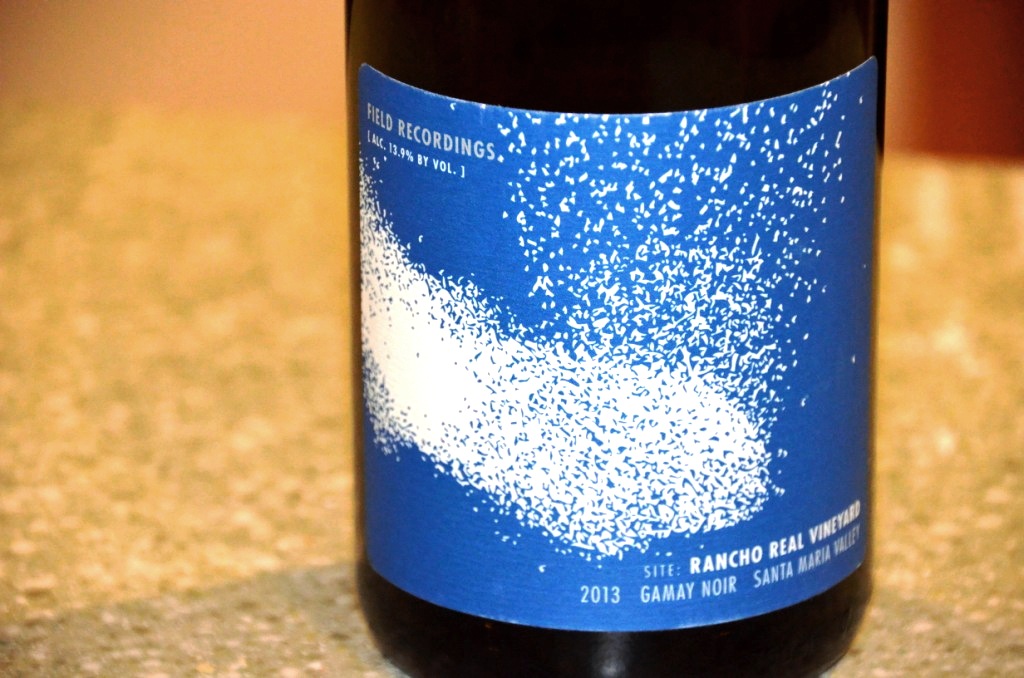
Well, so as they say, there is a first time for everything. Today was my first time to taste the California Gamay. 2013 Field Recordings Gamay Noir Rancho Real Vineyard Santa Maria Valley, California (13.9% ABV, 100% Gamay Noir, 6 month in Neutral Puncheons, 50% carbonic, 50% destemmed, 140 cases, Bottled: 04.19.2014) – very interesting. The nose was reminiscent of the Beaujolais Nouveau, but with the fruit being more mature and restrained, not as grapey. Very delicious and pronounced, similar to all other Field Recordings wines I had so far. And the palate… The palate was puzzling. It had a lot of fresh, ripe raspberries, good acidity and good balance, but there was something else which took me a while to figure out. And then it came down to me – the wine was still coming together. It was very similar to the Chenin Blanc which I had directly from the tank at the winery. Fermentation or not (I’m not a winemaker, so I can’t tell you exactly what it is, I can only describe to the best of my abilities), but this wine still needed time. This is why I highlighted above the date when the wine was bottled – so I was having the wine which was bottled only a bit more than a month ago – and it was noticeable. The wine was not bad by all means – but it would be very interesting to know, how would it taste when it would finally come together as a whole. Note to self – for the young wines, try to read the labels before, not after. Anyway, it was an interesting experience, and I will have to go with Drinkability of 7+, as the wine was still pleasant. Oh yes, of course it was my one and only bottle.
Have you had California Gamay before, or any US Gamay for that matter? What do you think? Also, have you had the wine which wwas not done yet? Comment away and cheers!
Weekly Wine Quiz #82: Grape Trivia – Gamay

Gamay grapes
Source: Wikipedia
The Wine Quiz series is not meant to intimidate. The whole idea here is to have fun and learn something new. When answering the questions, it is fully encouraged to use all available sources of information, including Google or any other search engines. There are no embarrassing answers – the most embarrassing thing is not giving it a try…
Welcome to the weekend and your new wine quiz!
We are continuing our grape trivia series, with the focus again on the red grapes, and today’s subject is Gamay, also called Gamay Noir, and fully officially a Gamay Noir à Jus Blanc.
Gamay is a purple-skinned grape, taking its name from the village of Gamay, located south of Beaune in France. Gamay is considered to be a cross between Pinot Noir and ancient white grape called Gouais Blanc. First mentions of Gamay go all the way back to the 14th century, so it had being around for a while.
Gamay grapes have thin skin, and have a tendency to overproduce, creating the grapes with very high level of acidity and low sugar, which often results in the production of lightly colored and quite acidic wines. The overproduction and high acidity were the reasons for the Gamay being literally outlawed and pushed out of Burgundy by the royal rulers at the end of 14th century, to give way for much rounder Pinot Noir. As the result, Gamay mostly settled in Beaujolais area, where it became the major red grape variety. Gamay is used in Beaujolais to produce a wide range of wines, starting from the famous Beaujolais Nouveau, the wine produced within 6 weeks of the harvest – young, grape-y and quaffable, but usually not very exciting; and then going to the Cru Beaujolais ( there are 10 villages in Beaujolais, which have this status), which can be dense, concentrated and age-worthy.
In addition to Beaujolais, Gamay is also growing in Loire region, where it is often blended with other local grapes such as Cabernet Franc and Cot ( Malbec) and it is used to produce both red and Rosé wines. The Rosé from Loire are typically a lot fruitier than the ones from Provence. Gamay is also successfully grown in Switzerland, especially in the area around lake Geneva – it is often blended with Pinot Noir there. Outside of France, Gamay is planted in the number of regions, such as United States and Italy, but it doesn’t produce much of the well known wines. Interestingly enough, a world renowned wine writer and critic, Jancis Robinson, was raving about Gamay wines produced by Sorrenberg of Beechworth in north east Victoria, Australia – she mentioned that it might be “one of the most exciting Gamays I have ever tasted”.
And now, to the quiz!
Q1: Gamay is closely associated with every third Thursday in November. Can you explain why?
Q2: Carbonic maceration is an important method in production of wines made out of Gamay. Can you briefly explain what is carbonic maceration and how does it helps here?
Q3: Fill in the blanks: In Beaujolais, Fleuri is considered to produce the most ___ wine, and Moulin-à-Vent produces the most ___ wines.
Q4: Which one doesn’t belong and why:
a. Brouilly
b. Côte de Brouilly
c. Côte Chalonnaise
d. Juliénas
e. Régnié
Q5: True or False: Beaujolais Nouveau wines can be aged for a few years before consumption.
Good luck, enjoy the quiz and your weekend! Cheers!
Crus of Beaujolais, Year 2011 – Part 2
I like sequels, Well, in the movies – sometimes, not so much. But when it comes to the writing, whatever you forgot to say in the first part, you can say in the second, and feel good about it, claiming that this was the intent from the get go.
What I didn’t mention in the first post about great tasting of Georges Duboeuf 2011 Beaujolais portfolio is that red Beaujolais make one of the best red wines for summer – they are typically light in alcohol (if you noticed, 13% ABV was the most for all wines mentioned in the first post), and they also taste the best when they are slightly chilled. Considering how hot this summer is across pretty much the whole US territory, I hope this will help you to find a good red wine for the hot day, because sometimes it just have to be red.
In the first post, I described a self-guided part of tasting. That tasting was followed by the lunch, both of which (tasting and the lunch) taking place at db Bistro Modern, one of the restaurants of the famous chef Daniel Boulud.
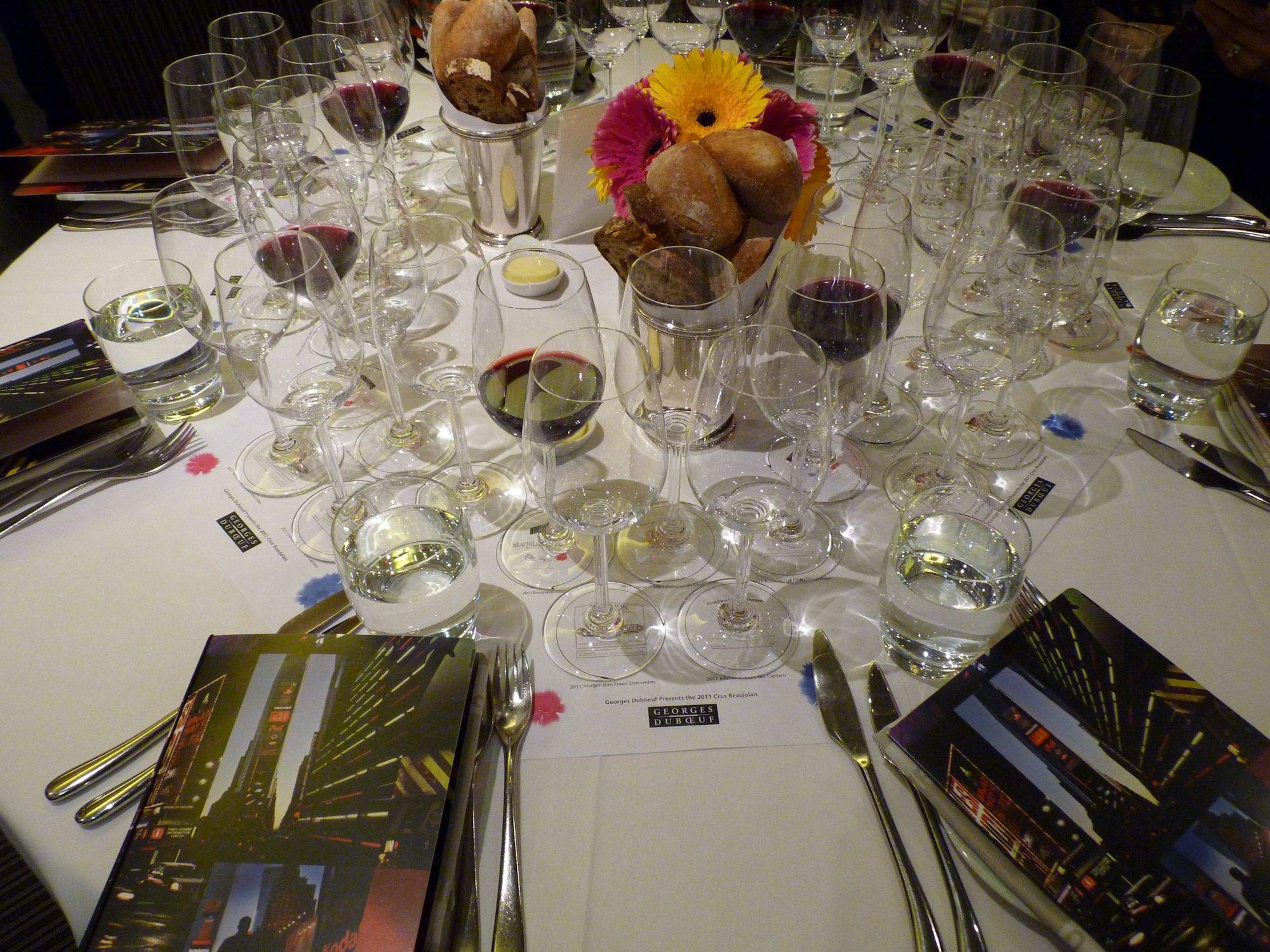
Georges Duboeuf opened the event with presentation of 2011 vintage. Here is my best effort transcript of what he said (remember, I’m not a professional journalist, I’m only pretending): “2011 was a great year. Budding started in April, then flowering started in June, and then harvest started August 22nd and lasted for two weeks. Some areas experienced periods of drought. Overall, grapes reached very good level of ripeness. 2005 and 2009 (considered best in a very long time) were good, but 2011 might be even a little bit better than 2009. Throughout the vintage, there are lots of black cherry and earthy notes.”

After Georges Duboeuf’s presentation, the first dish was served – “Legumes du Marche” – Young Garden Vegetables, Fromage Blanc Dressing, Lavender Honey Vinaigarette.
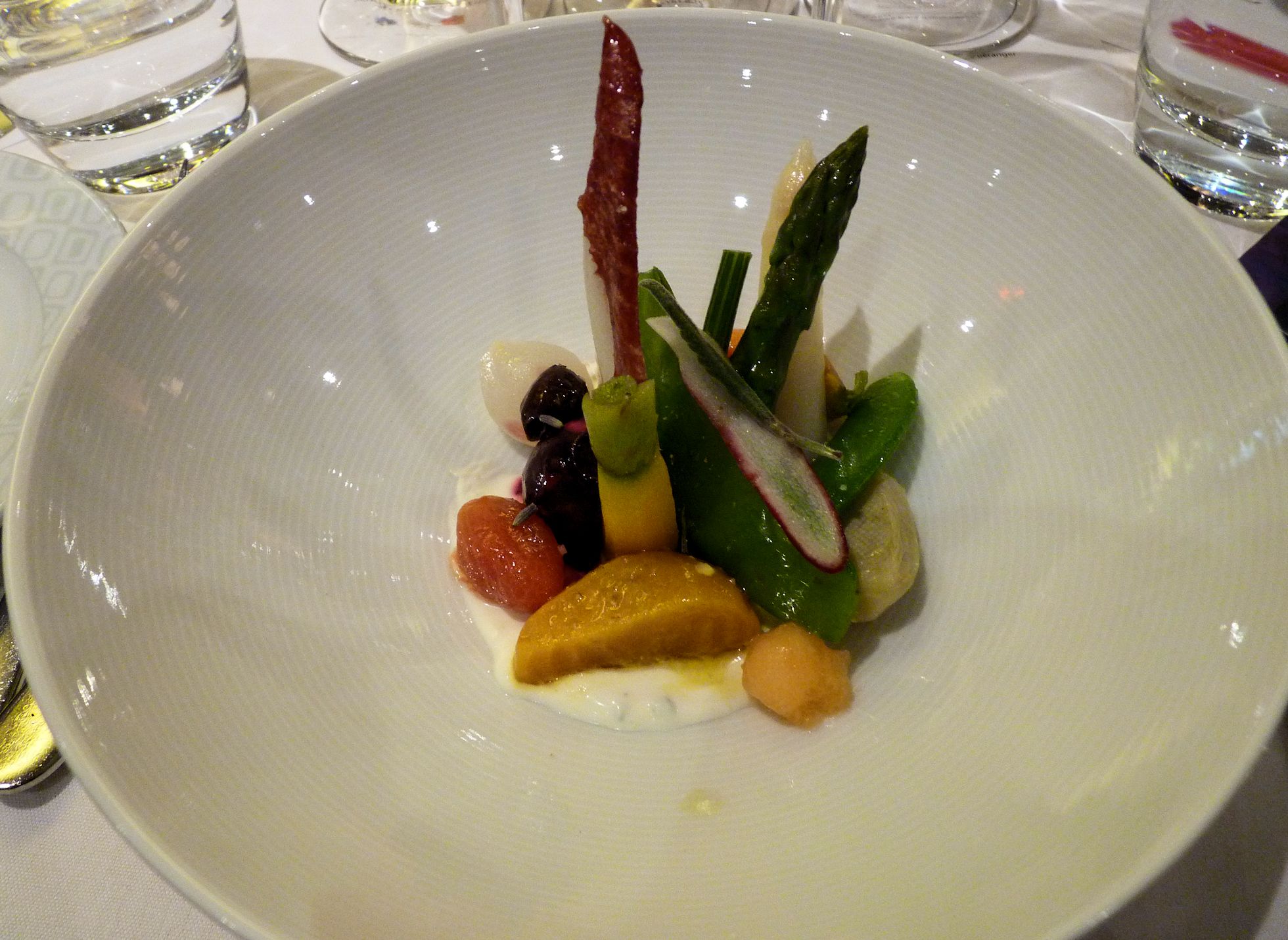
This dish was paired with 2011 Georges Duboeuf Beaujolais-Villages, and it worked together very well by wine complementing soft and earthy flavors of the vegetables.
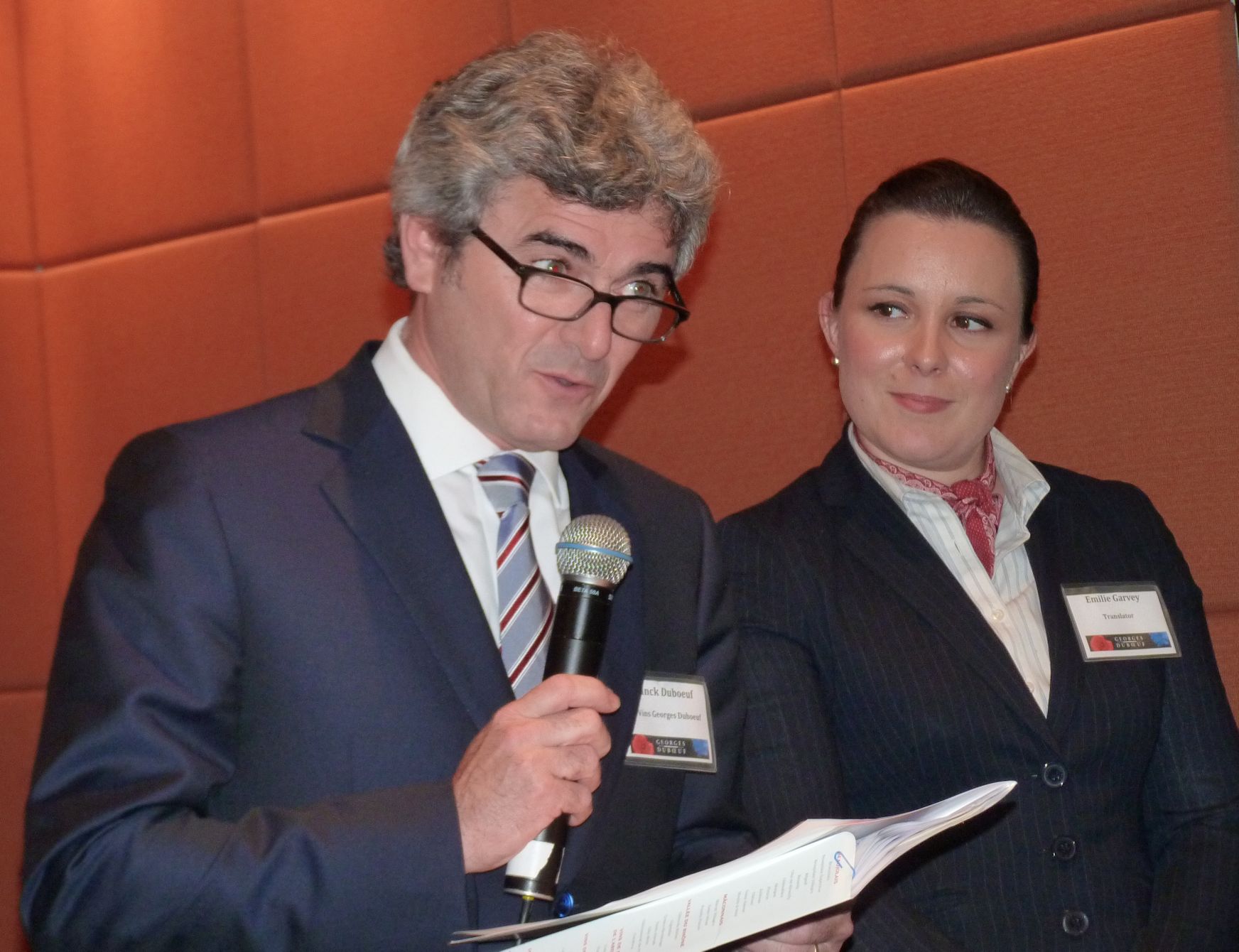
Next, Frank Duboeuf presented two white wines, Macon-Villages and Pouilly-Fuisse (please see detailed note below). He said that 2011 was equally good year for both whites and the reds, which is a very rare situation. I didn’t take the detailed notes though, as I was preoccupied with parallel discussion at the table and delicious pairing of wine and food ( bad journalism : ( )
White wines were served with the next course, Seafood Risotto – Black Sea Bass, Scallops, Squids, Cockles, Fennel, Tomato Confit “Fumet” Emulsion.

Pouilly-Fuisse worked perfectly well with risotto, which was a unique experience for me. Creaminess of risotto cancelled out some sharpness of the chardonnay, creating next level of experience.
For the next course, Georges Duboeuf presented two red wines, Morgon and Julienas. He described Morgon as having “violet, cassis, kirsch on the nose, same flavors on the palate. A lot of structure. This wine will age very well”. Regarding Julienas, he said that “it is a very special wine, it has great personality. 2011 was a lot like 2009. This particular wine had the biggest success over the last 5-6 years. It was very critical to expand the vineyard (by 4 acres) for the success of this wine. This is a very noble wine with great aging potential. The wine was bottled a week before, right before the event”.
These two reds accompanied the last course of the meal – Duo of Beef – Braised Short Ribs, Beef Tenderloin, Spring Vegetables, Sauce Bordelaise.
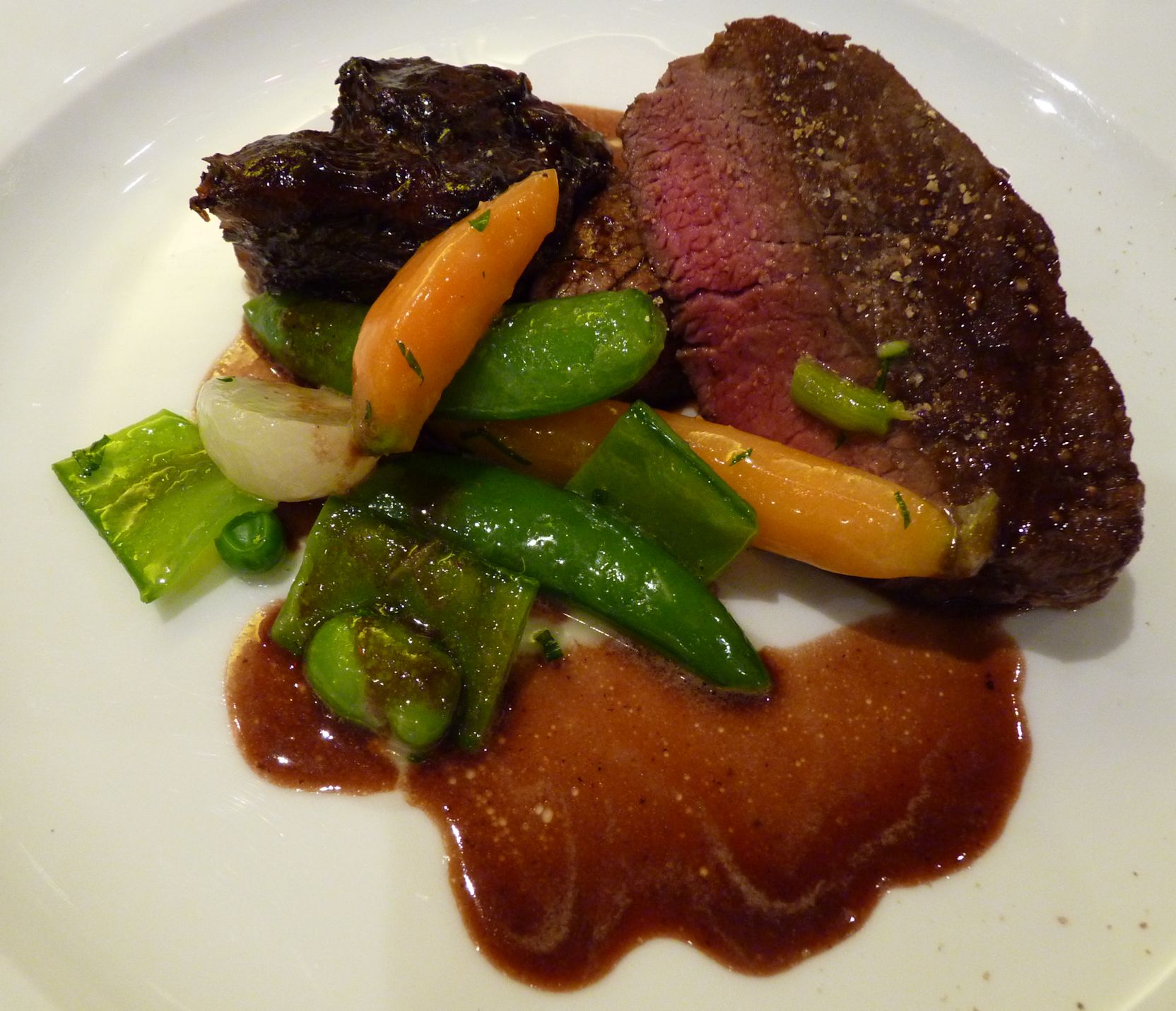
I have to tell that while both food and wine were delicious in its own right, they didn’t work together, so the pairing was not successful by not elevating the whole meal to the next level. But I also have to admit that both food and wine really didn’t bother each other too much – they were really two absolutely parallel experiences without a merge or a collision (which is often the case when wine and food don’t work together).
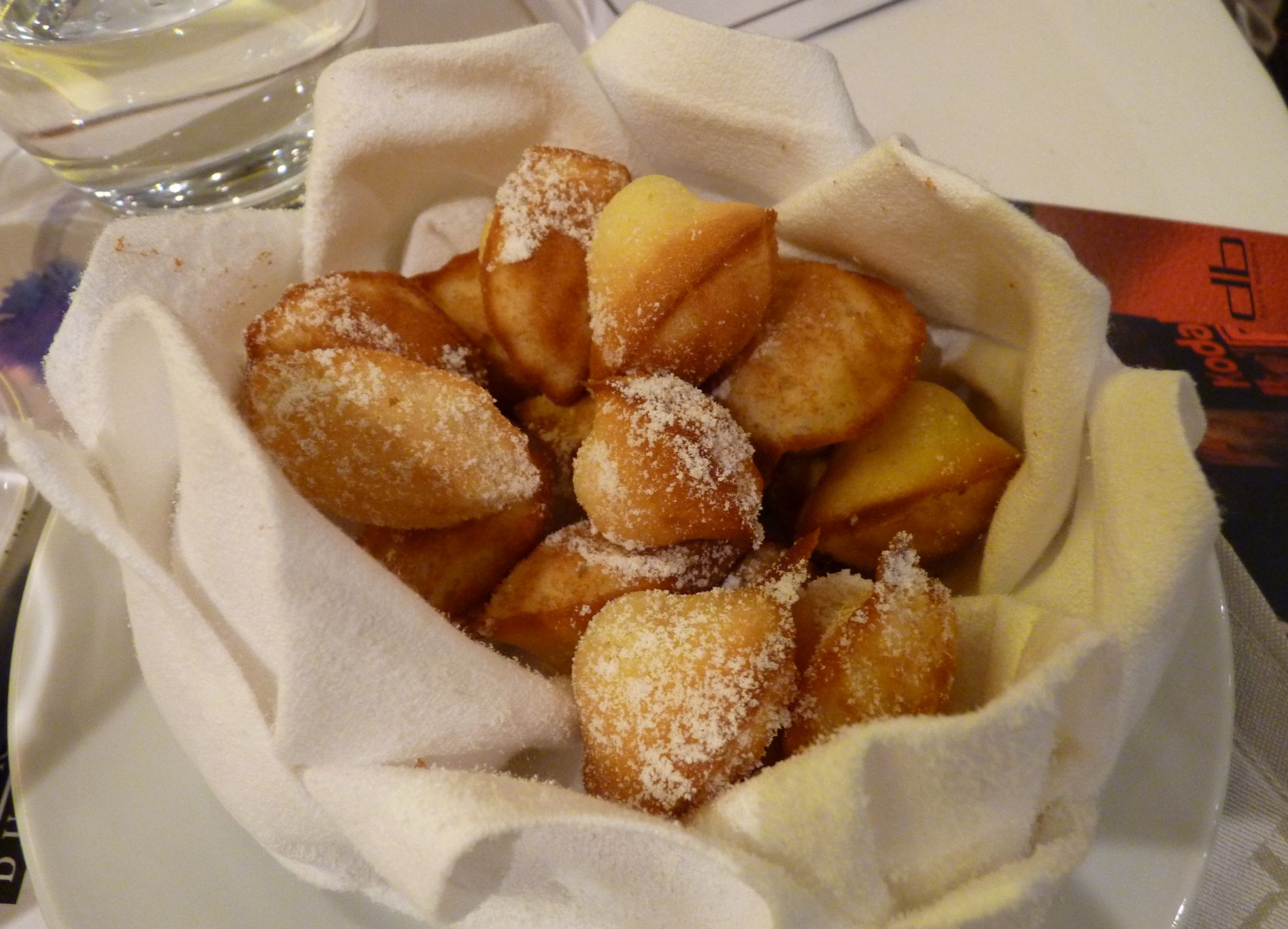
And then…there was a dessert, which was delicious and not paired with any wines (I also have no idea how this little cookies should be called, but it was very hard to stop eating them).
Here are the detailed notes for the wines:
2011 Georges Duboeuf Macon-Villages Domaine Les Chenevieres, Maconnaise, France (100% Chardonnay, SRP: $13.99, 12.5% ABV, 5000 cases produced) – Very nice, hint of hazelnut and citrus on the nose, good fruit, good balance, good acidity, hint of white apples, touch of vanilla and touch of oak on the palate. (Drinkability: 7+)
2011 Georges Duboeuf Pouilly-Fuisse Domaine Beranger, Maconnaise, France (100% Chardonnay, SRP: $17.99, 13% ABV, 3500 cases produced, 1200 imported) – this wine comes from the best area, the actual town of Pouilly-Fuisse. This wine had more pronounced chardonnay qualities than the previous wine – vanilla, touch of citrus and oak notes, excellent balance. (Drinkability: 8- )
2011 Georges Duboeuf Beaujolais-Villages, Beaujolais, France (100% Gamay, SRP: $9.99, 12.5% ABV) – very nice, good balance, a little tartness on the palate, but good overall. (Drinkability: 7)
2011 Georges Duboeuf Morgon, Domaine Jean Descombes, Beaujolais, France (100% Gamay, SRP: $15.99, 13% ABV) – good acidity, fresh fruit, light, soft, a bit too grapey to be great – but should improve with time. (Drinkability: 7)
2011 Georges Duboeuf Julienas Chateau des Capitans, Beaujolais, France (100% Gamay, SRP: $18.99, 14% ABV) – excellent depth, good power, good body, excellent balance. (Drinkability: 8)
All in all, it was one great event, both in the information and experience. Summer is still on, my friends – go find a bottle of Beaujolais to kick it off after a long day. And make an extra effort to find one of Georges Duboeuf wines – it will well worth it. Cheers!
Thanksgiving Experiences
 In the last post I outlined the number of wines which we wanted to taste during Thanksgiving dinner – now it is time to report on what was great and what was not.
There was nothing new with both Beaujolais Noveau compare to the previous report – except this time I remembered to chill both of them (light wines, such as Gamay and Pinot Noir usually taste better when slightly chilled). Chilling improved the taste of George’s Duboeuf, but I still like 2010 better.
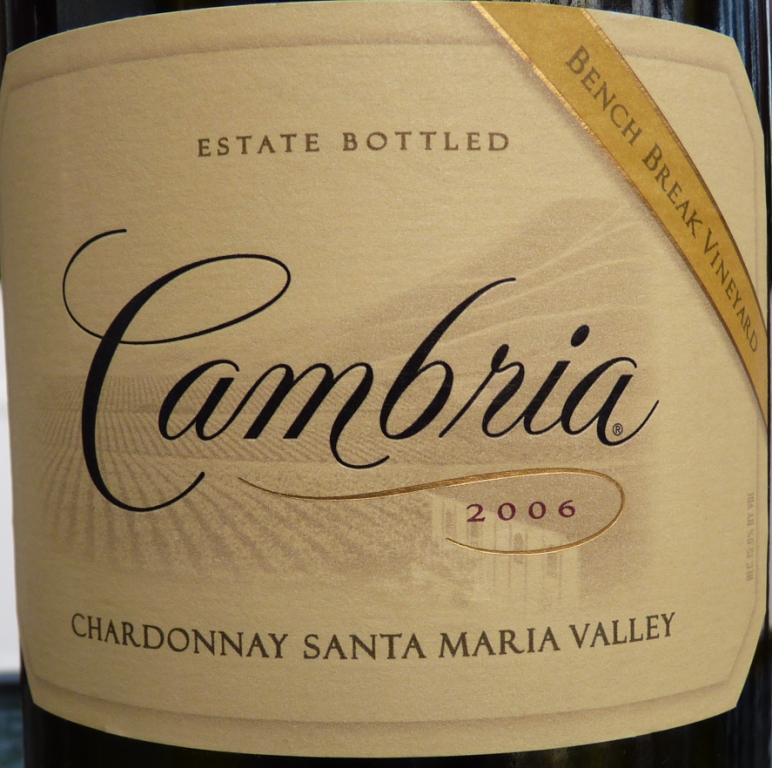
The real highlight of the lineup was 2006 Cambria Bench Break Vineyard Chardonnay from Santa Maria Valley – it was beautifully balanced, with hint of vanilla, literally unnoticeable oak, hint of white apples and perfect acidity. One word to describe this wine is Elegance – it was perfectly elegant, reminiscent of Peter Michael chardonnays which are definitely my all times favorites.
2009 Cazar Pinot Noir was very appropriate at the Thanksgiving table with its bright cranberries and very good balance. One wine which didn’t happen to work for me was 2009 Turley Old Vines Zinfandel – I understand that it was opened prematurely, but still I was expecting more from it (I have to also mention that it didn’t fully opened even after three days – I guess actual aging in the cellar is in the cards for this wine). Bodegas Hidalgo Triana Pedro Ximenez worked very well with the dessert full of nuts, such as Pecan Pie – layered complexity and nutty profile, complemented by good acidity were essential attributes of this wine.
As this is a Thanksgiving post, I have to mention the turkey. Last year our choice was Turducken (chicken inside of duck inside of Turkey), which was very tasty, but required quite a bit of preparation work. This year we decided to do a smoked turkey, which required mush lesser amount of prep time and effort – here are the pictures for you, before and after:

This turkey spent four hours in the charcoal smoker and 4 hours in the oven. The result was moist and delicious bird with lots of smoky flavor. Another dinner highlight was cranberry sauce, which was modeled after Bobby Flay’s recipe – however, it was modified to exclude sugar. If anyone is interested in recipes, I will be glad to share – please drop me a note.
This completes my Thanksgiving 2011 report – until the next time, cheers!
Tasting Beaujolais Noveau 2011 and a Little Bit of Scotch
 Appearance of Beaujolais Nouveau bottles in the wine stores squarely underscores an important notion which is up in the air anyway: the holidays are here, and the year is going to wind up very quickly from here on. But the last six weeks of the year are not going away without a bang – there will be lots of great food and great wine everywhere.
So what do you think about Beaujolais Nouveau 2011? Here are my impressions. To begin with, I like the label of the Georges Duboeuf Beaujolais Nouveau 2011 – it is very bright and attractive, purely an urban statement with graffiti lettering. As as the wine itself is concerned, it was okay, more in style with the years prior to 2010. Let me put it this way – the Beaujolais Nouveau 2010 was real wine of a good depth, a thought provoking wine (here is the link to the post about 2010 wines) – 2011 Georges Duboeuf Beaujolais Nouveau was just that – a Beaujolais Nouveau wine which can be gulped quickly without much reflection. Bright fresh fruit, very grapey – but in need of an overall balance.
I liked the taste of Joseph Drouhin Beaujolais Nouveau 2011 more, as it was combining brightness of the fresh fruit with an overall structure – this wine had legs to stand on, had a nice balance with good acidity and some earthy notes – this will be one of the wines I want to see on our Thanksgiving table (we will talk about Thanksgiving wines in the next post). In any case, drink your Beaujolais Nouveau quickly – these wines are not meant to be kept for the long time.
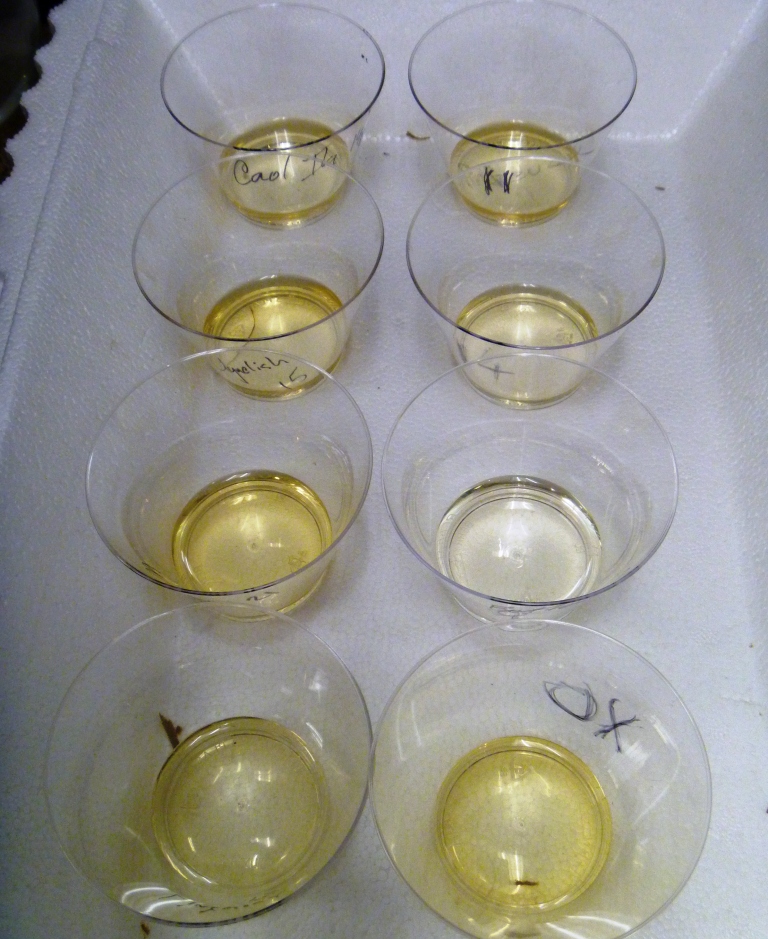 If you are puzzled by the title of this blog, let me explain. No, Scotch has nothing to do with Beaujolais Nouveau – I just happened to stop by Cost Less Wines last Wednesday and try more Scotches from Douglas Laing. Here are some which I would like to note: Linkwood 13 from Speyside was very light, with a hint of smoke and most interestingly, with grape finish. It is very interesting, as it was not finished in any of the wine barrels – it was actually finished in used bourbon casks.
Next, outside of getting into “smoky” category, the Scotch I liked the best was Clynelish 15 from Highlands – it was both very complex and smooth. Complexity is something which I really enjoy in the Scotch (this is why Macallan is never my favorite – I don’t find enough complexity in the taste). Finally my most favorite Scotch from this tasting was Caol Ila 14 from Islay – pronounced smokiness and power, a great scotch if you are into smoky flavors at all. Overall, it was great #WhiskyWednesday, as they say it on Twitter.
The next time I want to talk about Thanksgiving wines – but please tell me, what wines will be on your table on Thursday?
Last Bottle Sign Up ($10 credit)




 Talk-A-Vino