Archive
Why You Can’t Afford To Miss 2011 PJ Wine Grand Tasting
 If you are a wine lover who likes to experience amazing wines when possible – please keep reading, otherwise you can definitely skip this post. But if you are in love with your wine, there is one single wine tasting event this year which you can’t afford to miss – this event is PJ Wine Grand Tasting 2011, taking place on November 18th at Metropolitan Pavilion in New York City.
Why? I will give you three reasons.
1. Unique and Unforgettable Experience.
I attended PJ Wine Grand Tasting in 2009, and I still remember the taste of 2000 Château Léoville-las-Cases, 1999 Vega Sicilia “Unico”, 2000 Chateau Margaux, 1996 Krug among many many other equally noble wines. During Grand Tasting 2011, you will have an opportunity to taste Dom Perignon, Cristal, Krug, 2006 Cheval Blanc, 2000 Chateau d’Yquem, 1990 Mouton-Rothschild, 1985 Chateau Haut-Brion, 1952 CVNE Vina Real Gran Reserva and many more incredible wines – all in one evening. Can you tell me where else you will be able to experience any of those wines, forget even going through such a gem collection in one evening?
2. Tremendous value.
VIP admission at the Grand Tasting costs $159 (and I highly recommend VIP admission versus regular one, as all of great wines will not be in unlimited supply – you want to be there early). If you think this is a lot of money, let’s do some simple math. Assuming you will be able to find all the wines mentioned above (which is a challenge on its own), let’s see how much it will cost you to buy them (using wine-searcher, of course): 2006 Cheval Blanc – $700+, 2000 d’Yquem – $300+, 1990 Mouton-Rothschild – $400+, 1985 Haut-Brion – $450+, 1952 CVNE Vina Real Gran Reserva – $400. All together we are talking about $2,250+ just for these five wines. There will be hundreds of other wines deserving attention in this tasting, plus there will be great food. If this doesn’t represent value, I don’t know what does.
3. Plain and simple – you will have a great time!
There will be great wine, there will be great food, there will be great people, willing and able answer any of your wine questions. If you are thinking about going to the restaurant Friday night – equivalent experience at a restaurant in New York will cost you ten-fold – without any guarantees.
If you want to experience wines you will remember for the rest of your life, PJ Wine Grand Tasting is not an event to miss. To make your consciousness happy in addition to your palate, I have to mention that portion of what you pay will be going towards The Action Against Hunger. If you are ready to get your tickets, here is the link for you to click.
Disclaimer (in case we need one): Just to make everything clear – this is not a paid advertisement of any sort, and I’m not compensated in any way for writing this post. As usual, I only write about the things I believe in, and I truly believe that you will have an amazing experience if you will attend PJ Wine Grand Tasting 2011. Cheers!
Celebrating Global #ChampagneDay
Yesterday the world of wine social media celebrated 2nd Global Champagne Day, honoring one of the most special beverages – French Champagne. Here is how we celebrated it:
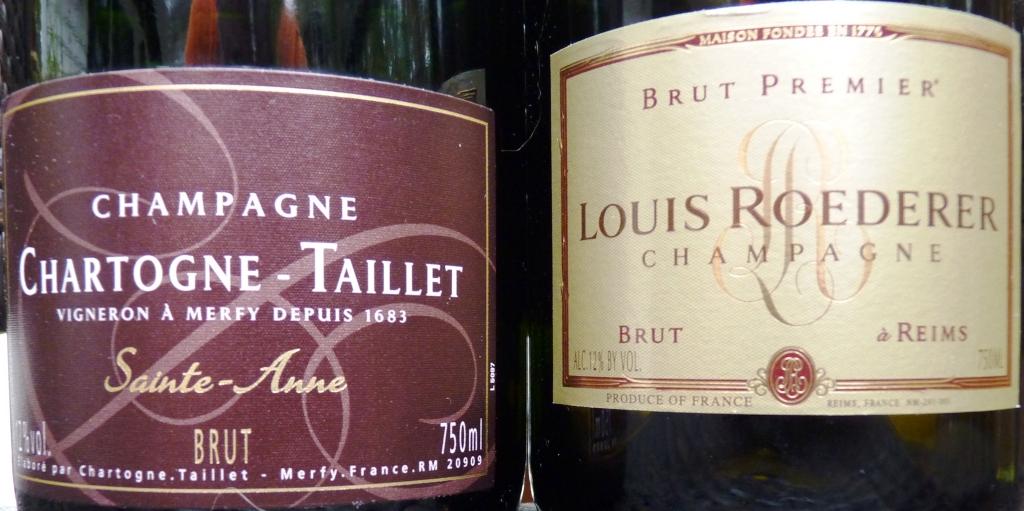
Louis Roederer Brut Premier NV was good, but not special in any way – nice fresh creamy bubbles, good acidity (Drinkability: 7). Louis Roederer makes one of the most famous Champagne in the world – Cristal, but this one of course was a standard non vintage version.
Champagne Chartogne -Taillet Cuvee Sainte-Anne, a growers champagne, was outstanding – yeasty, with a lot of fresh bread and toasted apple notes, refreshing and complex at the same time – this was not a simple thirst quencher, but a thought provoking wine. (Drinkability: 8).
How did you celebrate the Celebration Wine?
Tasting Some Of The Oldest Wines Ever: Jerez
 Once again this year I was lucky enough to seize a great learning opportunity – a wine tasting seminar at PJ Wine store in New York. This time the subject of the seminar was Jerez, also known as Sherry (or Xerez). Jerez is one of the most interesting wines in the world, as its production methods (aging, in particular) are very different from most of the other wines for two reasons:
1. It is left to purposefully oxidize for many years during the aging process (something winemakers are desperately trying to prevent while making and then storing regular wines).
2. It is constantly blended with the older wines through the method called Solera, sometimes going back for a few hundred years (you can find some additional information about Jerez in this post at The Art of Life Magazine).
During the seminar we tried 8 different wines from Sanlucar – the area which is located close to Jerez, but has more marine influence as it is located on the coast of the Atlantic Ocean and next to the Guadalquivir River on the right. This location creates unique conditions for Flor – an algae-like film which grows on top of Jerez in the barrel and protects it from oxidation – where Flor can grow all year around (this is the not the case in Jerez, where Flor doesn’t last a full year). Another important factor is Albariza soil, which is a chalk-based, similar to the soil in Champagne, which adds an additional acidity to the wines.
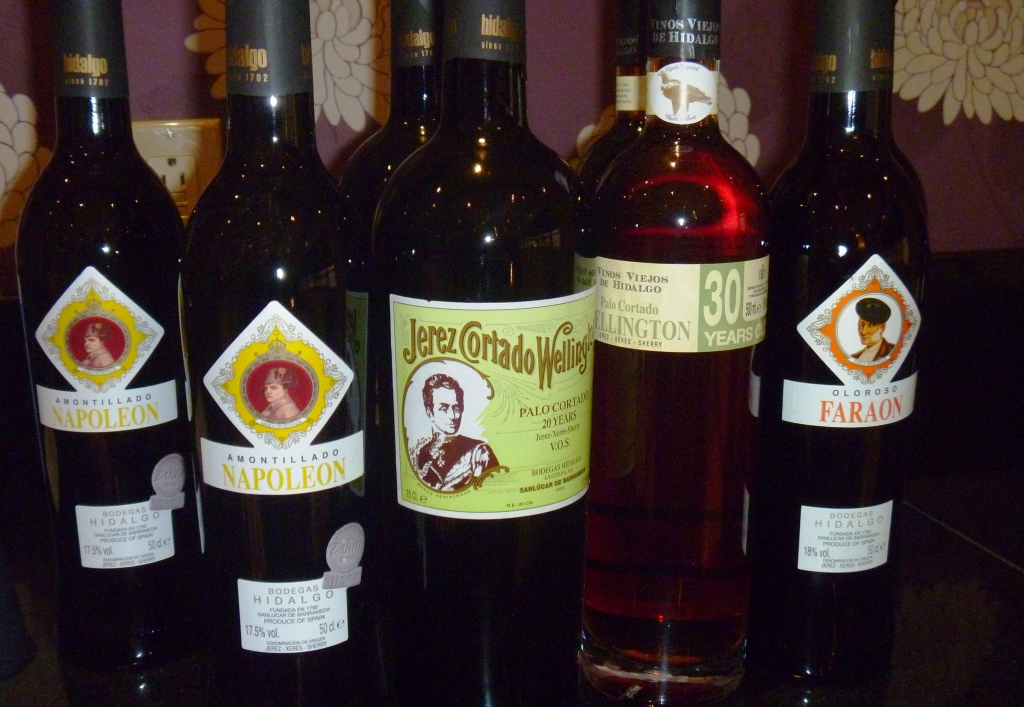
Here are the tasting notes for the wines as we tasted them.
1. Vinicola Hidalgo “La Gitana” Jerez-Xeres-Sherry Manzanilla NV:
Completely unoxidized. The nose of flor, but very clean, nice, beautiful acidity, a hint of white fruit, very dry. Goes well with bocorones, white vinegar cured mackerel.
2. Bodegas Hidalgo Pastrana Manzanilla Pasada – 92 pts (Wine and Spirits): greater intensity on the nose, touch more fruit intensity. Touch of oxidation, aged for about a year. Great with green olives.
3. Vinicola Hidalgo “Napoleon” Jeres-Xers-Sherry Amontillado NV– 90 pts (WA)
same as the first wine, but with oxidation. Very nice, a lot more complexity,
4. Bodegas Hidalgo Jerez Cortado Wellington, VOS +20 years – 91 pts (Wine and Spirits)
Wow – soft, beautiful, but pales out next to number 5
5. Bodegas Hidalgo Wellington Palo Cortado, VORS +30 years
Palo Cortado is the finest example of oxidized sherry. Phenomenal wine, solera started in 1750, soft, smooth, tremendous flavors, nuts, a hint of saltiness, roasted figs – outstanding…
6. Bodegas Hidalgo Faraon Olorosso – 91 pts (WA)
Very nice, soft, smooth,
7. Bodegas Hidalgo Alameda Cream Sherry NV – 91 pts (WA)
Very nice, round, soft, sweet, but balanced enough. some baked apples.
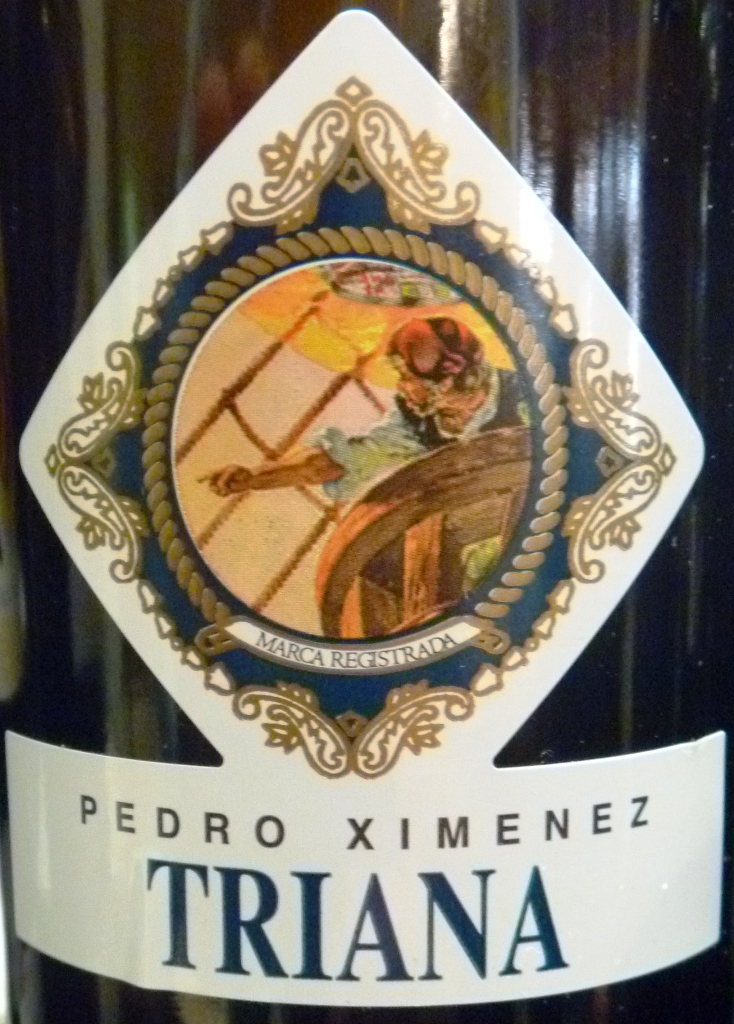
8. Bodegas Hidalgo Pedro Ximenez Viejo Triana:
Wow! Figs, plums, jam, phenomenal concentration on the nose, same on the palate. This is liquid fig jam, balanced, good acidity – outstanding! This is the blend of 100 vintages, through the Solera method. My personal favorite from the tasting.
On the next picture, you can compare the intensity of color between Pedro Ximenez (much darker) and Cream Sherry wines:
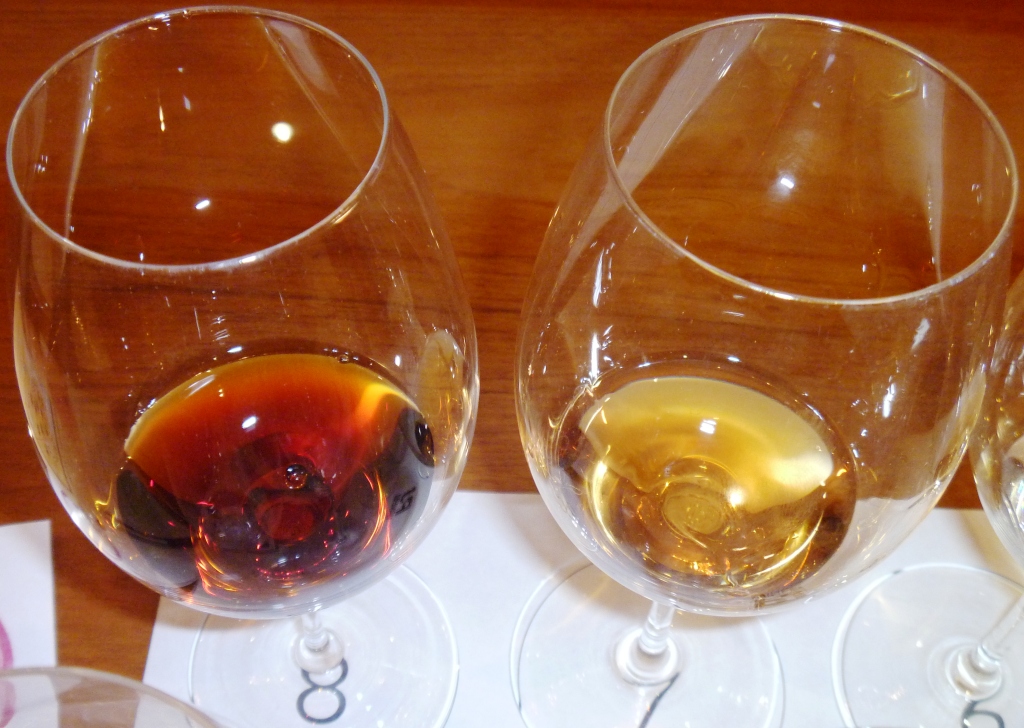
And here are the correspondent wines:
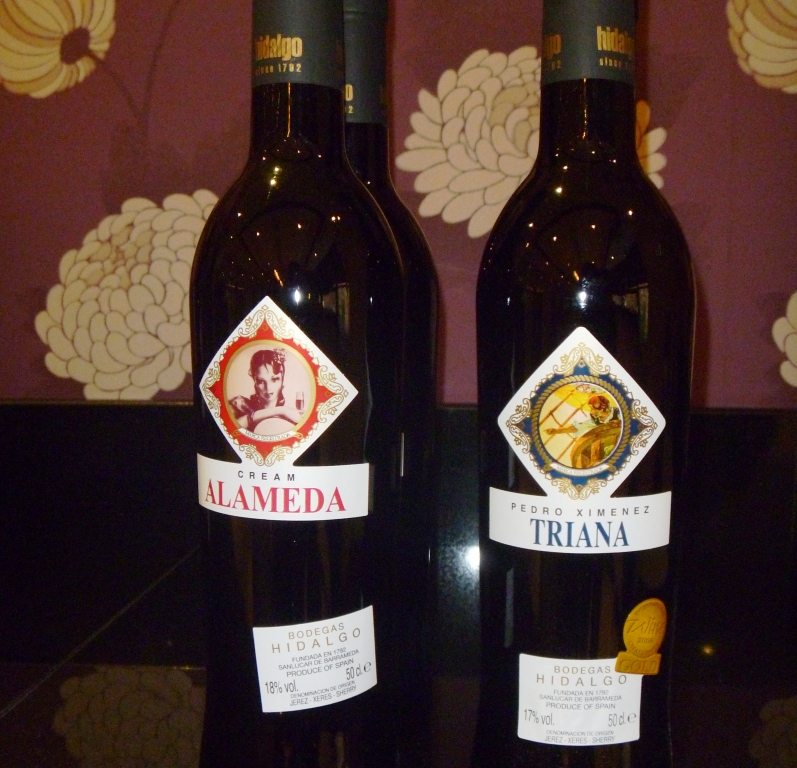
All the wines were very good, however I would say that first Manzanilla, then number 5 Palo Cortado and last Pedro Ximenez were my favorites, with Pedro Ximenez being simply unforgettable. Most of these wines are available from the PJ Wine and they are all very affordable.
This was definitely a great experience, and I will be glad to repeat it again (and again). Until the next time – cheers!
P.S. PJ Wine Grand Tasting Event will take place on Friday, November 18th, at Metropolitan Pavilion in New York City. If you want to experience 2006 Cheval Blanc, 2000 d’Yquem, 1990 Mouton-Rothschild, 1985 Haut-Brion, 1952 CVNE Vina Real Gran Reserva, Krug, Cristal, Dom Perignon and hundreds of other wines – all in one night at one place (!!), don’t miss this event!
Daily Glass: Amarone (Trader Joe’s Amarone, It Is)
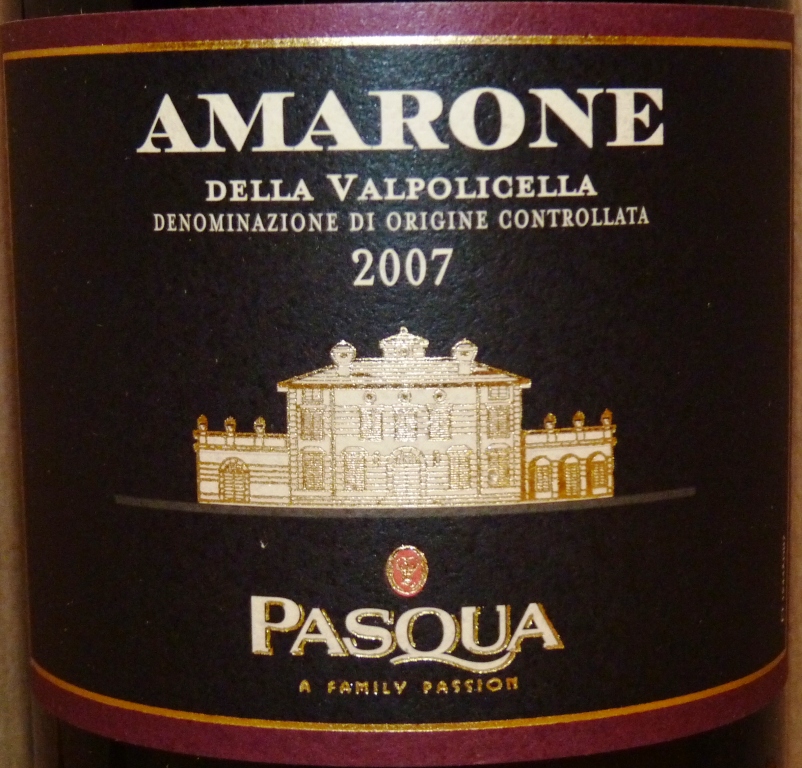 I’m continuing the quest for the best bottle of my favorite wine, Amarone (the concept of the “best bottle” also assumes great QPR). Last time we talked about Le Ragose Amarone, where I had big hopes which didn’t materialize (you can find the post here). This time, let’s talk about Amarone from … Trader Joe’s.
In the last post, I told you about my discovery of value wines at Trader Joe’s in Massachusetts. Value Cabernet Sauvignon or Chardonnay – of course. But value Amarone? Until now, my idea of value Amarone was Valpolicella Ripasso, the wine made by running juice through leftover grape skins after actual Amarone was already pressed. In general, good Amarone are hard to find for under $40, and the typical range is $60 – $100 in a good wine store. And when it comes to price, same as for any other wines, the sky is the limit – the amazing Masi Amarone I mentioned in the post about Wolrdwide Tasting, would cost you about $150 (good luck finding it), and Giuseppe Quintarelli Amarone would set you back by about $350 (however, I found some rave reviews saying that this wine worth every penny).
 Now forget everything I told you about the prices. Here are two examples that don’t fit into the ranges I mentioned before, thanks to Trader Joe’s. First, 2007 Pasqua Amarone, $18.99 in Trader Joe’s. While lacking the traditional Amarone nose of juicy raisins, this wine exhibited power and balance. Lots of dark fruit, some coffee notes, hint of earthiness, good acidity – very enjoyable wine. Drinkability: 7+.
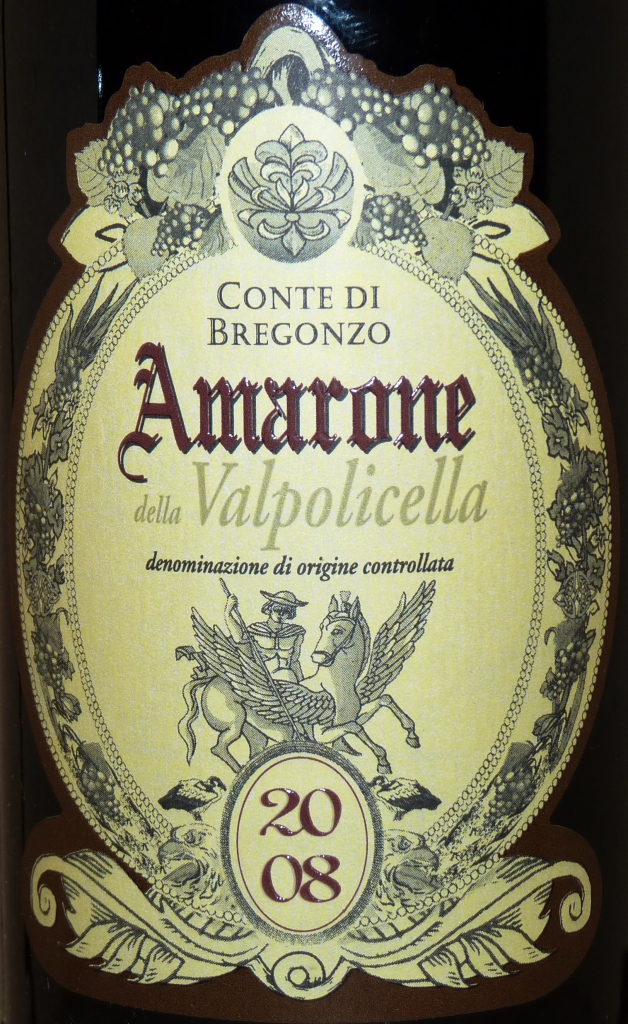
I liked the 2008 Conte di Bregonzo Amarone della Valpolicella ($16.99) even more. Bright dark fruit, some jammy notes supported by overall balance, minerality and good acidity – great all-around package – very drinkable and leaving you craving for more. And QPR? At $16.99, do I need to even bother? Yep, I thought so. Drinkability: 8-.
Just to conclude – yes, Trader Joe’s is a place for great value wines. Even more importantly, it is a place for excellent Amarone with amazing QPR.
What are you waiting for? Have you being to Trader Joe’s wine department already? You owe it to yourself to find the nearest Trader Joe’s with the wine section in it, and go enjoy it yourself – you can thank me later. Cheers!
Daily Glass: Experiencing Trader Joe’s Wines
When it comes to Trader Joe’s stores,  I’m a big fun – I think that everything sold there has good quality and fairly priced (in our wine terms, has good QPR).
I also heard that some of the Trader Joe’s stores also sell wine. Living in Connecticut, the most you can find in supermarket or a food store is beer (wine is sold only at the liquor stores). While visiting friends in Brookline in Massachusetts, I suddenly realized that Trader Joe’s is literally across the street from their house – and it might be selling wine!
Guess what? Yep, it does. The store itself was bigger than any Trader Joe’s I’ve being to before, but besides that, wine section was – Wow! Looking at the prices – double wow! Lots of wines at $4.99 ( outside of Trader Joe’s line called Charles Shaw, which is priced at $2.99), and overall, very substantial selection. Yes, I had before wines which were good and very inexpensive (same price range), but in general it is hit and miss.
Next I saw… 2 different Amarone at $16.99 and $18.99, a Barbaresco at $12.99 and Barolo for $16.99. Yes, you got it right – I got all of those except Barolo, and of course, tasting notes will be coming.
Let’s start from the basics – let me share my thoughts on Charles Shaw wines. First I tried 2010 Charles Shaw Cabernet Sauvignon. It was quite drinkable, however resembling more Beaujolais Nouveau, with its fresh fruit grapey taste. It was easy to drink, lighter bodied wine. Interestingly enough, on the second day this wine became very sweet and went beyond my style of enjoyment. Was it a great wine? No. Was it a good wine which you can drink occasionally – yes. Was it a great wine considering QPR, with the price of $2.99? Absolutely. Drinkability: 6+.
The next day I opened a bottle of 2009 Charles Shaw Chardonnay. The wine was very nice, had good amount of white fruit, some tropical fruit – but not overly fruity, with good acidity in the back. This was a good Chardonnay, with or without QPR. On the next day, wine developed some kind of chemical aftertaste, which disappeared as wine warmed up a bit, but overall it lost some of the brightness which was well exhibited on the first day.Drinkability: 7-.
To give you a bottom line, I think both wines were quite drinkable, and Chardonnay was more or less varietally correct (Cabernet was not so much). Would I want to drink these wines every day – not really, but occasionally – no problems at all. Do these wines have great QPR? You bet. Should you try one – absolutely. This is your call for action for tonight – find a Trader Joe’s store which sells wine, get a few different bottles of Charles Shaw wines, try them and report back here. Meanwhile, I’m all ready for my Amarone, so I need to go now. Cheers!
Food with Wine, Or Wine with Wine?
 A recent blog post on bottlenotes called “Eat your wine” readily attracted my attention (what does it mean, Eat your wine? The wine is not liquid anymore?). It appears the post is actually not about wine and not about food – it is simply about creativity and imagination, put to a good use.
After the Cabernet Sauvignon grapes are pressed, the skins and seeds are kept together with the grape juice through the process of fermentation (much of the color and taste of wine comes from the contact of juice with the skins and seeds). Once fermentation is complete, the young wine (juice) is separated from the skins and seeds mass which is called pomace. Typically, pomace is either discarded or converted into fertilizer. It turns out that it can be used for something else. Particularly, it can be dried and then … milled into the flour!
Such Cabernet flour contains lots of minerals and vitamins, and it is also rich in anti-oxidants and reservatrol. But – while medical benefits are important, it simply produces delicious baked goods (or so this is what the people say). Enters CIA-trained Pastry Chef Rachel Klemek from Blackmarket Bakery who makes Cabernet flour into brownies, brittles and pasta (!). All of the baked goods, as well as Cabernet flour are available online for purchase online through Marché Noir Foods.
Uff, it sounds like advertizement, and I didn’t mean it. Now, the real question is – when you eat Cabernet pasta, literally made from Cabernet grapes which had been already fermented, is that considered eating or drinking? Another question is – if you have a glass of wine with your Cabernet pasta, is that food with wine or wine with wine?
Oh well, I don’t know about you, but I have to try it. Note to self – get some Cabernet flour (or, at least, some Cabernet pasta) and start cooking! Cheers!
Daily Glass: Margaux Experience
 Few days ago we had a magnificent experience with two great Bordeaux wines from Margaux Appellation (I love my friends!). Margaux appellation is located on the left side of Gironde river in Medoc, and it is a home to so called First Growth, Chateau Margaux, and it also has the biggest number of classified second and third growth out of all other appellations in Bordeaux. Cabernet Sauvignon, Merlot, Cabernet Franc and Petit Verdot are the main grapes used in the wine production.
Two wines we had with the dinner were 1998 Chateau Palmer (classified third growth) and 2001 Chateau Lascombes (classified second growth). We decanted both wines for about an hour, just to get them to open up. Chateau Palmer showed lots of white truffles on the nose from the get go, and those white truffles stayed with the wine until the last drop. Chateau Lascombes started very tight, and opened up little by little to show some black truffles on the nose.
I can’t help but to mention that Chateau Palmer has a great web site, where you can find information about wines from the past vintages going back to 1959. The 1998 Chateau Palmer we were drinking was composed of 52% Merlot, 43% Cabernet Sauvignon and 5% Petit Verdot. If you like wines with the little age on them, this wine was just amazing. White truffles on the nose, white truffles on the palate. Round and polished, with great structure and tannins which are not firm already, but have enough grip if you swish the wine around in the mouth for a few moments. Good acidity, overall very balanced. One word description – delicious. Drinkability: 9-.
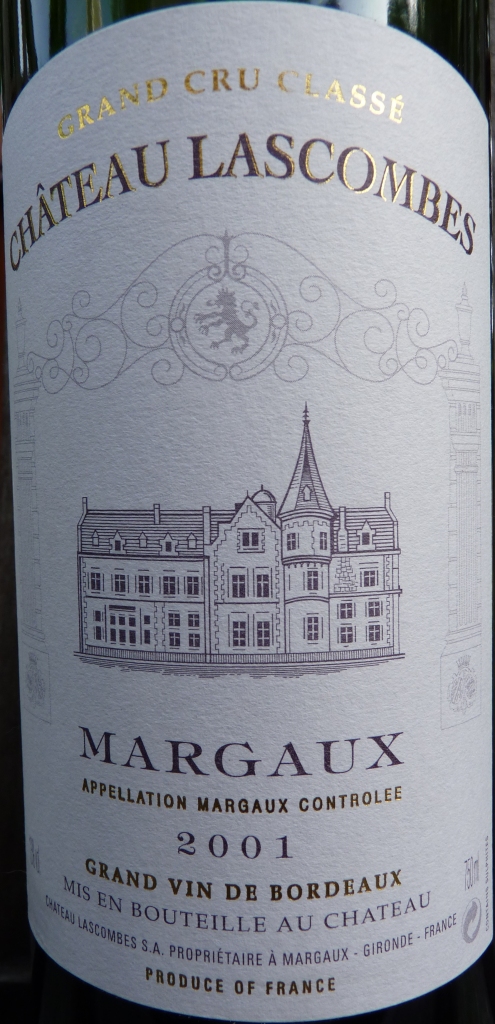 Chateau Lascombes was three years younger, but of course that age difference has little meaning when it comes to wines which can last for 50 years or longer – growing conditions would have much bigger effect. 1998 had nice and dry summer, and 2001 had very hot summer and rainfall right before the harvest time (here is the link to the wine information on the Chateau Lascombes web site). This is all interesting, right? Well, okay – not that we could taste it in the wine. 2001 Chateau Lascombes was big and powerful. Hint of black truffles lasted for a while after the wine was open, but it was not present on the palate. The wine was very structured, still with the firm tannins and lots of dark fruit on the palate, very balanced. Drinkability: 8.
This was definitely a great experience with magnificent wines (I can’t thank Emil enough!). I don’t know how I would do in a blind tasting, but it was very interesting to find great similarities in the wines made in a close geographic proximity and technically having very similar terroir. White truffles or black, but the wines were similar on the nose, which I find fascinating – it was the first time I tasted wines of such level effectively back to back, so it was a great learning moment.
That’s all for now, folks. I wish you great wine discoveries – cheers!
Notes from Slocum & Sons Wine Tasting in Connecticut
This past weekend I attended yet another great wine tasting by Connecticut wine distributor Slocum and Sons. Of course when hundreds of wines are presented in the tasting, there is a good chance of finding lots of great wines among them. This tasting was no exception – I had a lot of tasteful encounters at the event. Here are some notes, with pictures, as usual.
Let’s start with the sparkling wines. One of the first wines we tasted was Armand de Brignac Brut Gold (Ace of Spades):

The Champagne is this sparkled (no pun intended) bottle was good, with good body, green apple and zinging acidity running in the back. At the same time, as I’m always looking for QPR when I’m thinking about wine, this wine, the most expensive in the entire tasting, at about $270 per bottle, doesn’t not represent value at any level. If I have to spend this amount on the bottle of Champagne, I would much rather drink Krug.
Continuing sparkling wines category I have to mention Champagne Vollereaux, which is a Growers Champagne. We tried Vollereaux Brut NV, Vollereaux Rose Brut NV and 2004 Vollereaux Cuvee Marguerite – all beautiful wines, full flavored champagnes, with the most expensive one still being less than 1/4 of the price of Armand de Brignac – and delivering more pleasure.There were other great Champagnes there, such as Laurent Perrier and Veuve Clicquot, but I also have to mention a wide variety of excellent Cavas, sparkling wines from Spain – here is the picture of the line up of one of my all time favorites – Segura Viudas, with all four wines being one better than the other:

Moving one to the white wines, there were some personal discoveries and some “meet and greet” with old favorites. In the “personal discoveries” group first I would like to mention 2008 Trefethen Dry Riesling Oak Knoll District, Napa valley – this is the first California Riesling which I really enjoyed – it got all the beautiful white fruit, balancing acidity and even hint of petrol!

The next discovery are two wines from Bodegas Shaya – 2010 Bodegas Shaya Verdejo Rueda DO and 2009 Bodegas Shaya Habis Rueda DO.

Both wines are made from the 100 years old vines Verdejo, first wine fermented in stainless steel tanks and second one, Habis, fermented in French oak barrels. Bodegas Shaya comes out with very clean fruit and minerality expression, good acidity, very balanced. But once you taste Habis, the first and immediate impression is Wow – this will beat any Chardonnay! I don’t want to push it too far, but I would love to see this wine next to Peter Michael Chardonnays in the blind tasting – that would be a very interesting experiment.
Few more highlights in the white wines category. Three of the Talbott Chardonnays – 2009 Tabott Sleepy Hollow Chardonnay, 2009 Talbott Logan Chardonnay and 2009 Talbott Kali Hart Chardonnay were all outstanding, showcasing balanced wines, with good acidity, white fruit and hint of vanilla. I didn’t have Talbott wines before, so I was very impressed with the quality. And then in the “familiar category” I want to mention two Spanish whites, both of them I got to know thanks to the The Capital Grille’s “The Generous Pour” summer wine program. These wines are 2010 Jorge Ordonez Botani and 2010 Bodegas La Cana Albarigno.
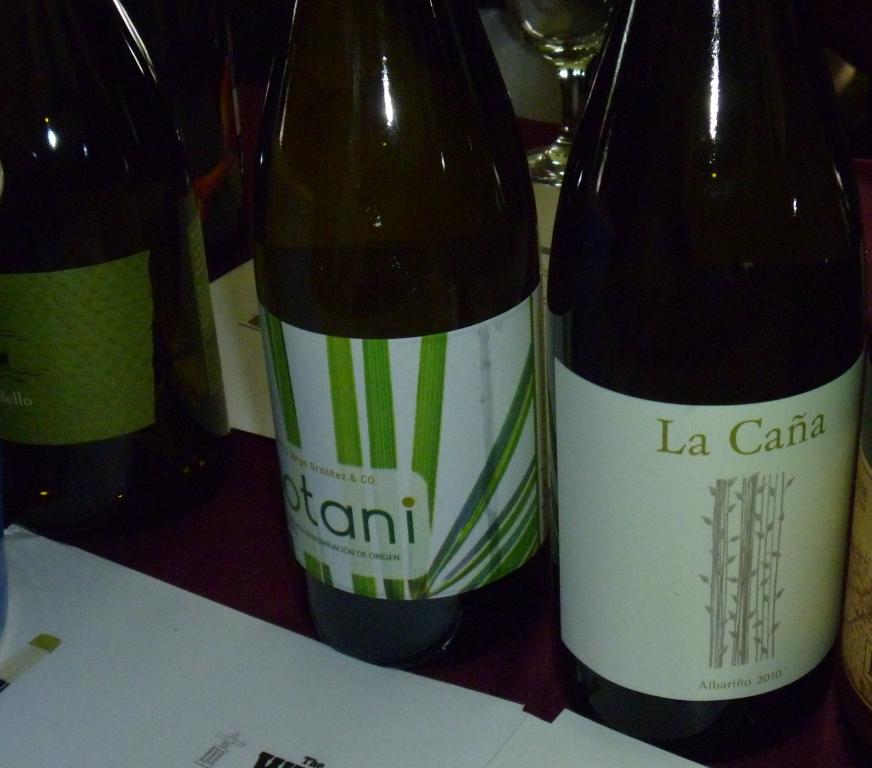
Both were beautifully refreshing, with floral notes on the nose, with La Cana having a bit more of acidity and mineral expression – both wines should be perfect on any summer day.
Coming to reds, the task of sharing my impressions becomes even more challenging – there were A LOT of great ( did I say “great”?) wines from Spain, California and France, so I will have to resolve to more of the pictures than words.
I want to start from the wines of Charles Mara. As some of you might remember, 2007 Mara Pinot Noir Laughlin Road Ranch was my most favorite wine last year (#1 in the Top Dozen). Now, I had an opportunity to try 2008 Mara Pinot Noir Laughlin Road Ranch Russian River Valley. What a radical departure! If I would be given those wines in the blind tasting, I would never even guess that those wines are coming from the same vineyard, left alone made by the same person. While 2007 was California Pinot at its best, 2008 is a pure Burgundy – dry, austere and in need of time – it probably needs another 5 years to open up.
Another very interesting wine was 2008 Mara Russian River Valley Zinfandel “old vines”:

As Charles Mara said himself, he was trying to make a “super-Tuscan” of Zinfandels, by blending zinfandel grape with Cabernet Sauvignon grapes from two different vineyards. I think he successfully accomplished that, ending up with powerful, dense red wine, showing beautiful fruit with a great restraint. This wine also need at least another 5 years to showcase fully.
Spanish reds selection at the tasting was so strong that it is nearly impossible to decide what wines should be mentioned and which were my favorites – El Nido, Alto Moncayo, Muga, Sierra Cantabria, Tesso La Monja – all powerful, beautiful wines, all age-worthy, delivering pleasure right now and for the next 30-40 years (or longer). I guess I would have to put a stick in the ground and say that 2007 Bodegas El Nido El Nido was my favorite Spanish wine in the tasting ( with the second thought in my head – well, yeah, and what about … ) – powerful, with amazing structure, firm tannins, good fruit, very balanced – “wow” was my single word descriptor.

By the way, standing next to El Nido are two Spanish wines, 2009 Blau and 2009 Can Blau – both were outstanding, fresh, with lots of sour cherries on the palate – and quite affordable for every day enjoyment.
There are few more reds I want to tell you about. First, it is Chateau Leoville Poyferre from Saint Julien. I already wrote about great experience with 2005 Chateau Leoville Poyferre Grand Cru Classe wine (here is the link to the post). This time I was able to try first, second and third labels of Chateau Leoville Poyferre – 2006 Chateau Leoville Poyferre Saint Julien Grand Cru Classe, 2006 Pavillion de Poyferre Saint Julien and 2008 Chateau Gulliver Bordeaux AOC.
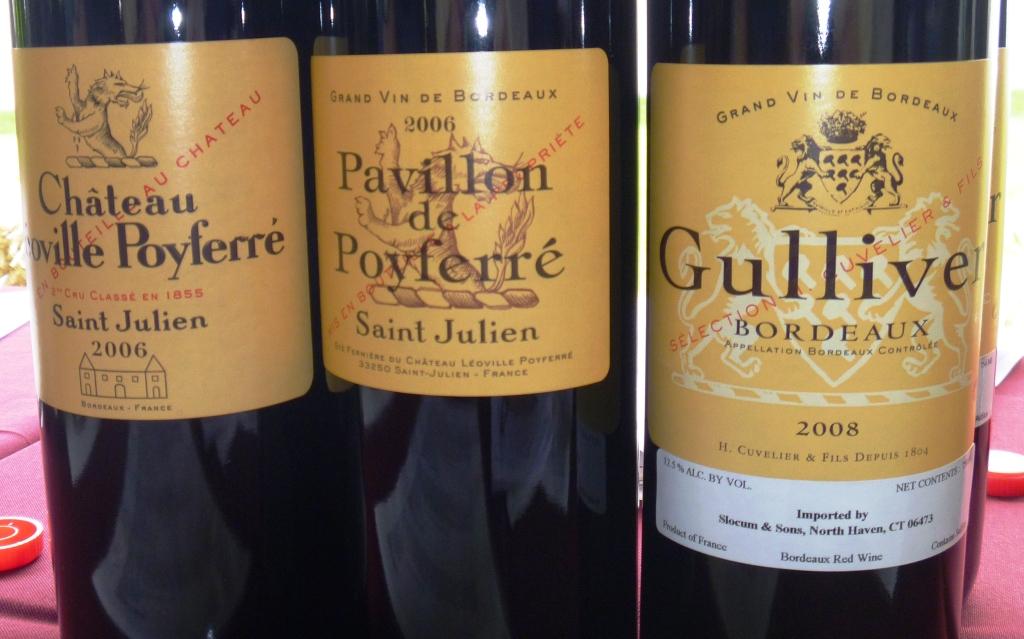
Chateau Gulliver was the lightest from the group, showing lots of earthy notes on the palate, and both Chateau Leoville Poyferre and Pavillion de Poyferre were big, powerful and well structured wines, with chewy tannins and lots of dark fruit, very balanced.
There was another set of wines which belong to the same group (owned by Chateau Leoville Poyferre), but coming from across the ocean – from Argentina, to be precise. These are the wines from Cuvelier Los Andes – take a look at the similarities in the label design:

Two out of four wines presented in the tasting were my favorite – 2009 Cuvelier Los Andes Cuvee Maule, soft and round, and 2007 Cuvelier Los Andes Grand Vin, a Malbec blend, big and powerful.
Last but not least was a group of wines from Ferraton, coming from Northern France – 2006 Ferraton St. Joseph La Source, 2007 Ferraton Cote Rotie L’Eglantine and 2006 Ferraton Hermitage Les Miaux:
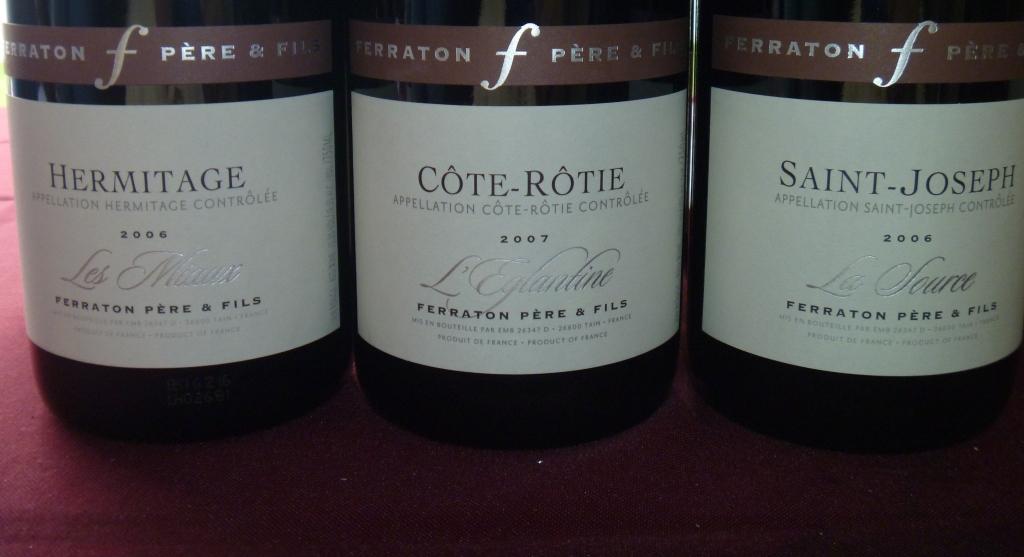
Both St. Joseph and Hermitage were classic Syrah wines, earthy, spicy, with the hint of white pepper and good amount of dark fruit. But my absolute favorite was Cote Rotie. First, I have to admit that it was my first ever taste of Cote Rotie. Actually Cote Rotie meaning in English is “roasted slope”, due to the amount of sunlight and positioning of the vineyards. You could actually taste all those roasted rocks in this wine, creating unforgettable impression. Needless to say this was my absolute favorite in the tasting.
I think it is time to finish – there were still more wines I wanted to share with you, but I think this is enough for now. More great stories is coming, but for now – cheers!
Here is the Answer
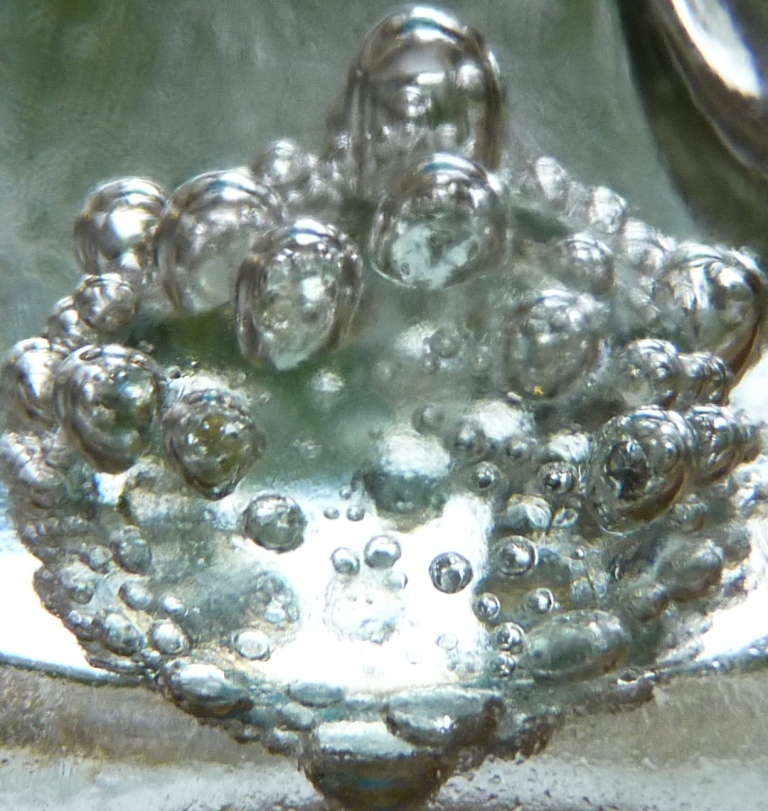
So here is the answer for the last “what is it” question. Little glass ball in the Japanese soda bottle looked so fascinating right after the bottle was popped, so I couldn’t resist to play the game. Here is a picture:

Until the next time – cheers!
What is it?
It’s been a while since we played this game, so here is a picture for you – try to guess what it is. I can even give you a hint – in contrast with two previous “what is it” questions, this one is beverage-related:
Comment away…
Last Bottle Sign Up ($10 credit)




 Talk-A-Vino