Archive
Wednesday’s Meritage – Wine Quiz Answer, #MWWC8 Time to Vote, Bordeaux 2013, Wine-y States, When Wine Critic Attacks
 Meritage time!
Let’s start with the answer to the wine quiz #95, Grape Trivia – Tannat. In the quiz, you were supposed to answer 5 questions about the red grape called Tannat.
Here are the questions, now with the answers:
Q1: Tannat was the reason for one specific winemaking technique to be invented relatively recently. Do you know what technique is that?
a. Malolactic fermentation, b. Micro-oxygenation, c. Carbonic maceration, d. Reverse osmosis
A1: Micro-oxygenation was developed in the 1990s specifically as a method to soften otherwise harsh Tannat wines to make them more approachable while young.
Q2: True or False: Tannat is primarily harvested by hand and not by the machine. Provide an explanation for your answer.
A2: True. Tannat is primarily harvested by hand, but not because of the hilly terrain. The machine is generally harvests the grapes by shaking the vine – Tannat grapes are growing in such a tight bunches and attached to the vine so well that shaking simply doesn’t help, and the grapes have to be harvested by hand.
Q3: Name 3 grapes, often used as blending partners when Tannat wines are produced in France
A3: Cabernet Sauvignon, Cabernet Franc and Fer are often blended with Tannat in Madiran.
Q4: Wine Spectator calls wines with 90-94 ratings “Outstanding: a wine of superior character and style”. True or False: There are no Tannat-based wines rated as Outstanding by Wine Spectator.
A4: False. There are quite a few Tannat based wines with the 90+ ratings from the Wine Spectator, with the 2001 Montus Bouscassé Madiran La Tyre having the highest rating of 94.
Q5: Tannat ripens at about the same time as Cabernet Sauvignon. Assuming you have Tannat and Cabernet Sauvignon which are both slightly underripe, which grape would you make the better wine from, Tannat or Cabernet Sauvignon? Why?
A5: Slightly underripe Tannat doesn’t show those aggressively green notes as Cabernet Sauvignon does, so all other things been equal, Tannat has a better chance of producing more palatable wine.
Talking about the results, two people played in this round – Bill of Duff’s Wines and Julian from Vino in Love – they both correctly answered four questions out of five, so they definitely get the favorable mention. Well done!
Now, to the interesting stuff around the vine and the web!
First of all, the Monthly Wine Writing Challenge #8, with the theme “Luck“, has concluded. Now it is time to vote for your favorite entry! While Kara The Sweet Sommelier was the host of #MWWC8, she is using Blogspot as her platform, which apparently doesn’t allow the inclusion of the polls in the blog post, thus Jeff a.k.a. The Drunken Cyclist hosts the poll on his blog. Click here to read all the entries and cast your vote in the poll. Don’t delay – the voting will close by the end of the week.
It was a very difficult growing season in Bordeaux – Mother Nature threw a tantrum (or a few) – cold spring and hailstorms definitely took its effect. Now winemakers facing a tough dilemma. The 2013 vintage is expected to be of a medium quality (despite all the tantrum’s), so it would be necessary to reduce the selling prices across the region to be able to sell the wines. At the same time, the crop was small, so reducing the prices will definitely affect the small and even medium producers. Well, En Primeur tastings will take place soon, and this is where the prices will be set – for more information please read this article on the Wine-Searcher.
Dr. Vino published a very interesting map in his blog. This map outlines the wine consumption in the United States on the state by state basis. Dr. Vino also took all the wine numbers a bit further – he also included the map of state’s electoral votes from the 2012 elections (democrats versus republicans), as well as the map of income per capita in all 50 states. There are some interesting correlations between all three maps, but I will leave it for you to make any type of conclusions as you will see fit.
And last but not least is latest feud in the wine critics world – which is mind boggling in my opinion. The wine world is huge – there is enough space for all the people who wants to professionally review the wines, and its okay to have a difference of the opinion. But Robert Parker and his company, Wine Advocate, apparently don’t think so. In the fight for the dominance of the opinion, it seems that Robert Parker lashes out at anyone who promotes the wines less bombastic than his palate requires. Last week, Robert Parker attacked Eric Asimov ( New York Times wine critic) and Jon Bonne ( San Francisco Chronicle) for conducting the tasting of the wines which were not to his liking. You can read a general overview of the issue here, but then you need to turn to the blog post by Dr. Vino. After the legal attack from the Wine Advocate lawyers, Dr. Vino had to drastically modify the content of his blog post, which you will be able to see here. And lastly, here is an excellent summary by the W. Blake Gray, explaining the reason for the “vicious attack” . Even if you largely ignore all the wine critics populace, I think this story still worth a few minutes of your time.
And we are done here. The glass is empty – but the refill is on its way! Cheers!
Wednesday’s Meritage – Wine Quiz Answer, #MWWC8 Theme, Water into Wine???, Wine in Numbers, About Champagne and more
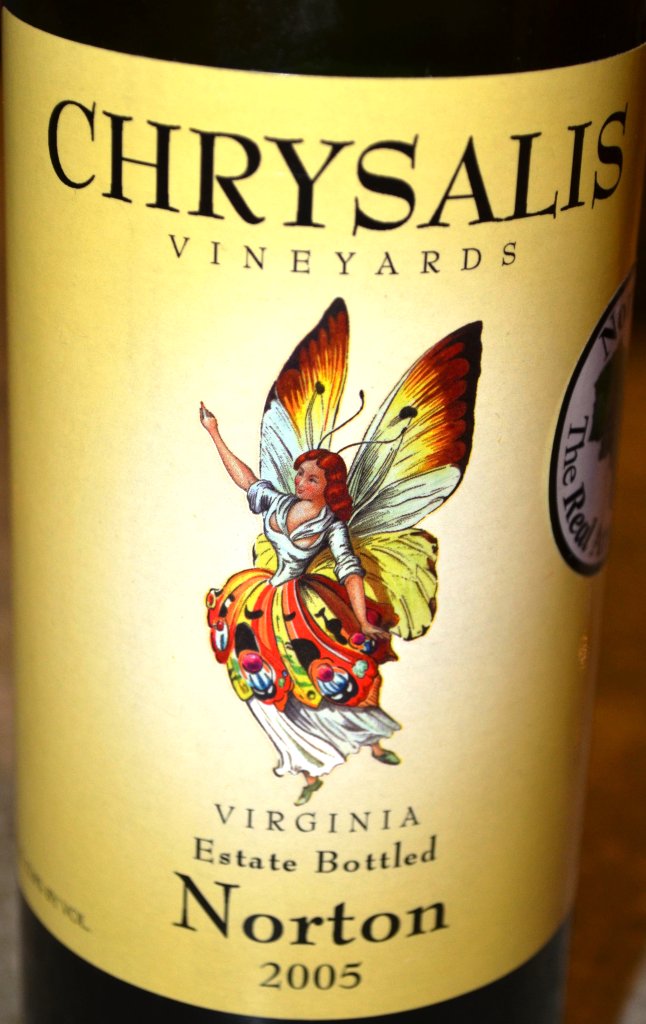 Meritage time!
Let’s start with the answer to the wine quiz #93, Grape Trivia – Norton. In the quiz, you were supposed to answer 5 questions about the red grape called Norton.
Here are the questions, now with the answers:
Q1: Which of the following are synonyms of Norton?
a. Cynthiana, b. St. Croix, c. St. Vincent, d. Virginia Seedling
A1: While looks standard, this was a tricky question – did anyone noticed the plural on the “synonyms“? The correct answer here is Cynthiana and Virginia Seedling – both are synonyms for Norton, even though it seems that Cynthiana might be a slightly different clone rather than identical grape under a different name.
Q2: The winery in which state holds the trademark The Real American Grape®:
a. Arkansas, b. Missouri, c. Pennsylvania, d. Virginia
A2: This phrase was trademarked by Chrysalis winery in Virginia
Q3: Norton is an official State Grape of:
a. Arkansas, b. Mississippi, c. Missouri, d. Virginia
A3: Norton is a staple of wine production in Missouri, so yes, the correct answer is c, Missouri.
Q4: Norton grape generally classified as:
a. Vitis Aestivalis, b. Vitis Cinerea, c. Vitis Labrusca, d. Vitis Vinifera
A4: While there are some competing opinions, it seems the Norton is generally classified as Vitis Aestivalis (Summer Grape), which according to definition in Wikipedia is a “species of grape native to eastern North America from southern Ontario east to Vermont, west to Oklahoma, and south to Florida and Texas”.
Q5: As you know, Riedel is the best known wine glass maker, which creates wine glasses designated for different varietals. True or False: Riedel makes a special varietal glass designated to Norton
A5: Riedel created a Norton-specific glass (a stemware, to be called properly) in 2009
I’m glad to report that we had good participation in this quiz. Nobody was able to provide a full answer to the first question – but then again, it was somewhat of a tricky question so I’m accepting the partial answers here as well. Thus we have three winners – Suzanne from apuginthekitchen, Kirsten The Armchair Sommelier and Julian from Vino in Love – they all get the prize of unlimited bragging rights. Well done!
Now, to the interesting stuff around the vine and the web!
First of all, the Monthly Wine Writing Challenge, now in its 8th reincarnation, has a new theme. As announced by Kara The Sweet Sommelier, winner of the round #7, the new theme is Luck. You might need some luck to connect it to the wine, unless you have a lucky bottle, lucky cork or may be a lucky corkscrew – but in any case, put your lucky hat on and start writing. For all the details, including submission and voting timeline, here is the link to Kara’s post.
Remember Jesus? Yep, The One. Supposedly, he was able to make wine out of water, and this was definitely the miracle. So the new startup, called The Miracle Machine (hint, hint), intends to do exactly that – bring that miracle to all of us, mere mortals. A special device, a little bit of magic and, of course, an iPhone to control the magic, and the founders promise the wine which will rival Screaming Eagle, all done on your kitchen countertop, at a fraction of a fraction of a price. You can read more about the miracle device and watch the video here – as for me, I will take my chances with the local liquor store.
Number junkies, rejoice – I have a new set of numbers for you. As many times in the past, they come from Mike Veseth, who writes the blog The Wine Economist. The point of the numbers is really to illustrate the economic concept called disintermediation, which here has to do with a simple question – how many people does it take to produce a bottle of wine? Some wine businesses prefer to own vineyards, and the whole process of winemaking, and some are “outsourcing” as much of the process as possible to the other specialized businesses (like mobile bottling line, for instance), and this is what disintermediation is all about. The numbers are very interesting, if you think that it takes 4,000 people at E&J Gallo Winery to produce about 85M cases of wine worldwide, and then it takes only 95 people to produce 1.7M cases at Bogle Vineyards. But – take a look for yourself here, I think this is a very interesting read.
Next up – a very interesting article by Jancis Robinson, talking about what the wine drinkers are asking to have more and more in Champagne – in a few words, the demand is to have Champagne more complex (longer aging time on the lees), and more dry (like no added sugar at all). Of course you are better off reading it for yourself here.
Last, but not least at all, I want to bring to your attention an article about wine serial entrepreneur, Charles Banks. I’m always fascinated by the stories of the people who are told that they better give up, and they achieve their best results despite all odds ( Charles Banks was told that asparagus is all he can hope for to grow on the patch of land he acquired – and he managed to produce a great wine on that patch of land). I suggest you will find 5 minutes in your busy day and read this article – definitely worth your time.
And we are done here. The glass is empty – but the refill is on its way! Cheers!
Wednesday’s Meritage – Wine Quiz Answer, #MWWC7 Few Days Left, Cali Crush Report, Wines At State Dinner, And More
Meritage time!
Let’s start with the answer for the wine quiz #92, grape trivia – Montepulciano. In the quiz, you were supposed to answer 5 questions about indigenous Italian grape called Montepulciano. Here are the questions, now with the answers:
Q1: In the number of regions, Montepulciano is often blended with … [name that grape]
A1: Sangiovese is a popular blending partner of Montepulciano.
Q2: Wine Spectator calls wines rated in 95-100 range Classic (the highest and the most prestigious category). True or False: there are no Montepulciano – based wines rated in the Classic category
A2: False. There a few Montepulciano wines with the ratings of 95 or above. For example, 2000 Emidio Pepe Montepulciano d’Abruzzo got 97 points from the Wine Spectator.
Q3: From the list below, which state in US doesn’t make any Montepulciano wines of notice:
a. California, b. Maryland, c. North Carolina, d. Texas, e. Washington
A3: Interestingly enough, Washington so far doesn’t have any Montepulciano plantings of notice.
Q4: True or false: from 2000 to 2010, plantings of Montepulciano in Italy increased by more than 15%
A4: True. Plantings of Montepulciano in Italy increased from 28,679 acres in 2000 to the 34,824 in 2010.
Q5: Best known Montepulciano wine comes from Abruzzo in Italy and it is known as Montepulciano d’Abruzzo. Do you know the name of the white wine commonly produced in Abruzzo?
A5: Trebbiano d’Abruzzo is a white wine from the Abruzzo region.
When it come to the results, first of all, we had very good participation in the quiz, quite a few answers. And, most importantly – we have a winner! Tracy Lee Karner answered all 5 questions correctly, so she gets the top prize of unlimited bragging rights! Great job! I also would like to acknowledge Suzanne of apuginthekitchen and Mario Plazio (no web site), who both got 4 questions out of 5 correctly. Very well done!
Now, to the interesting stuff around the vine and the web!
Boy, I have a lot of interesting reads for you. First of all, there are only a few days left to submit your entry for #MWWC7, “Devotion”. Over the past few days there were quite a few submission, which is great. I have a problem to come to grips with this theme, as “devotion” doesn’t trigger any mental image for me – I would much happier deal with “obsession” or at least a “dedication”. Anyway, may be my muse will still come, all covered in the snow? No matter – get your wine devotion story going! Here you will find rules and submissions to the date.
Like the grapes and the numbers? I personally do – I don’t even know why. Anyway, the California Agricultural Statistics service just released the numbers for the 2013 grape crush report – 4.23 million tons of grapes were crushed last year, up 5% from the 2012. The most crushed grape in California was Chardonnay, closely followed by Cabernet Sauvignon and then Zinfandel. For all the numbers please take a look at this article at WineBusiness.com.
Now, I want to share with you two interesting articles from the Dr. Vino’s blog. First, it is always interesting to know what the other people drink, right? Don’t you try to glance at the label of the wine been served at the table next to you? So this is not just some other random people we are talking about here – Dr. Vino analyses selection of the wines from the State Dinner given by US President in honor of the high guest from France. Here is the article – and similar to the Dr. Vino’s opinion, my question is – really? These are the best wines made in US? Okay, okay – I didn’t taste either one of the particular 3 wines served at that dinner – in case you have, I would be really interested in your opinion.
Last, but not least for today is another article from Dr. Vino’s blog – a short post about the sale of the wines at the auction in Chicago. Considering all the stories about the counterfeit wines nowadays, it is not surprising that the wines with the guaranteed provenance are sold at the premium nowadays. But for me personally, it is the data in that old receipt which is very interesting – $78.99 for the Echezeaux or $68.99 for Vosnee-Romanee – sigh, and another sigh – are those days gone forever?
And we are done here. The glass is empty – but the refill is on its way! Cheers!
Wednesday’s Meritage – Wine Quiz Answer, #MWWC7 12 days left, Don’t Forget OTBN, How Much Would You Pay For A Cocktail?
Meritage time!
First, let’s start with the answer for the Wine Quiz #91, grape trivia – Cinsault. In the quiz, you were supposed to answer 5 questions about the red grape called Cinsault (it is Cinsaut for French-proper). Here are the questions, now with the answers:
Q1: Name 3 grapes, traditional blending partners of Cinsault in Provençal Rosé
A1: When it comes to Provençal Rosé, Carignan, Grenache and Mourvèdre are most often blended with Cinsault.
Q2: In which US state the history of winemaking is associated with Cinsault?
a. Oregon, b. Texas, c. Virginia, d. Washington
A2: Interestingly enough, early history of winemaking in Washington is associated with Cinsault, which was introduced in the Walla Walla region by Italian immigrants.
Q3: The oldest continuously producing Cinsault vineyard in the world is located in:
a. Algeria, b. France, c. South Africa, d. United States
A3: It was recently discovered that the small vineyard in California is actually the oldest continuously producing planting of Cinsault, and was planted in 1885. For more information, here is an interesting article by W. Blake Gray.
Q4: True or False: Cinsault is one of the 30 most planted grapes in the world
A4: True. According to the statistics of 2010, Cinsault was 25th most planted grape in the world with slightly less than 50,000 acres planted worldwide.
Q5: Considering Cinsault plantings worldwide, sort the countries below from the largest area plantings to the lowest:
a. Algeria, b. France, c. Morocco, d. South Africa
A5: France (about 20,000 acres), Algeria (about 7,500 acres), Morocco (about 3,500 acres), South Africa (about 2,000 acres).
Talking about the results, somehow this quiz had very low participation – may be the subject of somewhat obscure grape, may be the snow, but something got in the way of hundreds of people who I know wanted to play. Anyway, there is a next time for everything. But – one person attempted to solve the quiz, so I would like to acknowledge Suzanne of apuginthekitchen, as this also was her first participation in the wine quizzes here – well done!
And now, to the interesting news around the vine and the web!
First, I would like to remind everybody that the deadline for #MWWC7 is rapidly approaching – only 12 days are left until the deadline. Are you devoted to wine something or someone? Get your passion flowing, devote some time, pour yourself a glass of wine (want a “brute force” solution? find the bottle of Dowsett Family Wines Devotion Red and just do the review), but really, it is time to get more devoted to the #MWWC7. For all rules and regulations, please check SAHMMelier’s blog post.
Do you know what OTBN stands for? Need another two seconds? Okay. OTBN stands for Open That Bottle Night – the movement started by Dorothy J. Gaiter and John Brecher, brilliant wine columnists writing the wine column for Wall Street Journal for many years. The idea of OTBN is that all of us have our “special bottle(s)” waiting for the special moment(s) to be open. And for the sake of the wine – and our own sake – in many cases it is better for the wine and for the people to have that special bottle opened rather sooner than later. OTBN is meant to encourage people to open and enjoy that special bottle. OTBN is celebrated during the last Saturday of February, thus OTBN 2014 will be taking place on February 22nd – here you can find the full calendar of all past OTBN events. Start thinking about that special bottle of wine you will open – that is definitely a fun part of the experience.
Quick question – how much are you willing to pay for the cocktail? Okay, $11.95, of course. What are you saying? You can sometimes splurge the whole $30, especially if you are in the best New York hotel? Okay, sure, make sense. So, how about $50,000? Shocked? Absurd, you are saying? Yes, I’m with you – it is an absurd all the way if you ask me, but apparently someone found it quite palatable to pay $50K for the diamond studded glass filled with Hennessy Richard (most exquisite cognac made by Hennessy). I wonder if he got to keep the glass… Hope he did. To make it more fun, before you read the story, try to think about the place (city?) in the world where someone will pay $50K for the cocktail. Here is the link to the article about that $50K extravaganza.
That’s all I have for you for today. The glass is empty – but the refill is on its way. Cheers!
Wednesday’s Meritage – Wine Quiz Answer, #MWWC7 Theme, Booze Map of the World, Wine Obsessions
Meritage Time!
Let’s start with the answer to the wine quiz #90, grape trivia – Pinotage. In this quiz, you were supposed to answer 5 questions about South Africa’s signature grape, Pinotage. Here are the questions, now with the answers:
Q1: Explain the origin of the name Pinotage
A1: While Pinotage was born as the result of the cross between Pinot Noir and Cinsault, Cinsault, one of the Rhone varietals, was known in South Africa as Hermitage (which is actually the name of the region in Northern Rhone), hence the name Pinotage.
Q2: While Pinotage primarily grows in South Africa, California also has some plantings of the grapes. Can you estimate the approximate size of Pinotage plantings in California?
a. 50 acres, b. 250 acres, c. 500 acres, d. more than 1000 acres
A2: The amount of Pinotage growing in California is miniscule, but it is trending up. The correct answer is 50.
Q3: Here is the list of of nasty aromas often associated with the smell of Pinotage wines, except one. Do you know which one doesn’t belong?
a. Burnt rubber, b. Rusty nails, c. Paint solvent, d. Sauerkraut
A3: Sauerkraut flavor is not generally associated with Pinotage.
Q4: Wine Spectator calls wines rated in 95-100 range Classic (the highest and the most prestigious category). True or False: there are no Pinotage-based wines rated in the Classic category
A4: True. 93 is the highest rating allotted by Wine Spectator to Kanonkop Pinotage.
Q5: Pinotage was created in 1925, but for the long time it was used only as blending grape. Do you know when single-grape Pinotage bottling was first released in South Africa?
a. 1946, b. 1961, c. 1976, d. 1989
A5: b, 1961. While the first released vintage was 1959, the wine was commercially available in 1961.
I’m glad to report that we had a good number of participants in the quiz, who also expressed a lot of admiration for Pinotage wines. We have 3 winners this time around – barring spelling mistakes, the drunken cyclist, the winegetter and Wine Everyday answered 5 questions correctly, so they all get the coveted prize of unlimited bragging rights. I would like to also acknowledge Caspernick who correctly answered 4 questions out of 5. Well done!
And now, to the interesting stuff around the vine and the web.
The new #MWWC7 Theme had been announced, and it is … Devotion! With all the love and devotion in the air (February 14th – Valentine’s Day – is rapidly approaching), the theme sounds very appropriate. Pour yourself a glass of wine, sharpen your pencil (okay, flex your fingers) and start writing! The submission deadline is February 17th. For the detailed rules and regulations, please take a look at the announcement post by SAHMMelier, the winner of #MWWC6.
Want to know what is the most popular drink in the United States? Italy? China? Now you can! Few days ago, Yahoo! published Booze Map of the World (if you want to skip the article, here is direct link to the map). So it seems that Vodka is a drink of choice in most of the places (USA included), but then Rum in Italy? Really? Was Grappa even on the list? Anyway, have fun analyzing the map.
Last but not least – are you wine obsessed? Do you search for the most unusual wine on the restaurant wine list? Do you remember what is the next “almost extinct” grape you always wanted to encounter in the bottle? Matt Kramer, one of my all time favorite wine writers and Wine Spectator columnist, wrote a very interesting article regarding the wine obsessions – I suggest you will read it for yourself here, it definitely worth your time.
That’s all I have for you for today. The glass is empty – but the refill is on the way! Cheers!
Wednesday’s Meritage – Wine Quiz Answer, #MWWC6 Results, WTSO Marathon Next Week, Champagne in Numbers
Meritage time!
Let’s start with the answer for the wine quiz #89, grape trivia – Dolcetto. In the quiz, you were supposed to answer 5 questions about the red grape from Piedmont called Dolcetto. Here are the questions, now with the answers:
Q1: Except the “sweet little one”, what is the other possible explanation to the name of the Dolcetto grape?
A1: Dolcetto is likely named after the hilltops where the grape is growing (“duset” in Piedmont dialect).
Q2: Sort these Piedmontese grapes in the order of time of ripening, from earlier to the later: Barbera, Dolcetto, Freisa, Nebbiolo
A2: Typically, Dolcetto ripens two weeks earlier than Barbera, and Barbera ripens two weeks earlier than Nebbiolo. Freisa ripens a bit earlier or about at the same time as Nebbiolo. Thus correct answer is Dolcetto – Barbera – Freisa – Nebbiolo (the last two can be also swapped in place).
Q3: Wine Spectator calls wines rated in 95-100 range Classic (the highest and the most prestigious category). True or False: there are no Dolcetto-based wines rated in the Classic category
A3: True. The highest rated Dolcetto wine is only has a 93 rating, thus there are no Dolcetto wines in the Classic category.
Q4: One of the North American grapes for the long time was assumed to be identical to Dolcetto ( until recent DNA tests proved it wrong). Do you what grape was that?
a. Chambourcin, b. Charbono, c. Marechal Foch, d. St. Croix
A4: It was actually a Charbono grape which was erroneously assumed to be Dolcetto.
Q5: What is the suggested serving temperature for Dolcetto wines?
a. 65ºF to 75ºF, b. 60ºF to 65ºF, c. 50ºF to 60ºF, d. 45ºF to 50ºF
A5: The answer here of course is not universal, as the serving temperature should be rather linked to the style of wine – light style Burgundy will command different serving temperature comparing to the full bodied Pinot Noir from California. However, on average, Dolcetto wines are considered to be light-bodied, or lighter style reds, which are generally recommended to be served slightly chilled, at under 60ºF. Thus correct answer is c, 50ºF to 60ºF.
This time around we don’t have a winner, unfortunately. Yes, I understand that the grapes are getting a bit more obscure, but hey – they are still no too obscure for Google! I can give you a hint for what to expect in this grape trivia series – we still have quite a few interesting grapes to talk about, so you should expect to see here Pinotage, Tannat, Montepucliano, Bonarda, Viura, Gruner Veltliner and others. See, now you have a head start!
Now, to the interesting stuff around the vine and the web!
First, the Monthly Wine Writing Challenge #6 with the theme of “Mystery”, hosted by Jeff a.k.a. The Drunken Cyclist, has its winner! Alissa of SAHMMelier is the new queen of the MWWC! Here is the link to her winning post, in case you didn’t read it yet. Alissa is now working on the announcement of the new theme, which will be … spoiler alert? nope, you will have to wait for it to appear in Alissa’s blog.
I’m repeating here my note from the last week. Wine Til Sold Out, better known as WTSO, is conducting their Cheapskate Marathon next Tuesday, January 28th, starting 6 AM Eastern – be there ( in front of your computer), or risk missing out on the great wine deals. The Marathon will be conducted with the usual rules: all the wines are priced in $7.99 to $18.99 range, no e-mail announcements, all new wines are announced on twitter and only on twitter, new wines are offered every 15 minutes or sooner if the previous wine is sold out, free shipping for the quantities of 4 and up of the same wines. Happy hunting!
Last interesting item I want to bring to your attention is a few numbers about the sales of Champagne. It looks like the sales of Champagne worldwide are down for the second year in the row – there were 5 million bottles less sold in 2013 compare to 2012, and 2012 had even bigger slump comparing with 2011. Here is the link to the article in The Drinks Business which contains a lot more of the detailed numbers, including statistics by the different countries.
And we are done here. The glass is empty – but the refill is on its way! Cheers!
Wednesday’s Meritage – Wine Quiz Answer, #MWWC6 Vote, WTSO Marathon, Shoe as a Corkscrew
Meritage time!
Let’s start with the answer for the wine quiz #88, What Is It? In the quiz, you were given a picture with wine (alcohol) related object, and you were supposed to explain what this object is for and how it is supposed to be used.
Below is the quiz picture with two additional pictures, which together should give you a good idea of what and how:


This tiny hammer is packaged with every bottle of Beluga Vodka Gold Line – hammer is intended to be used to break the wax seal on top of the bottle and brush should be used to clean up all the small pieces of wax.
This quiz had a number of comments with the answer, but pretty much for the first time I remember running these quizzes, many people referred to one of the previous answers as a correct one, instead of providing their own answer. This creates an interesting challenge in announcing the winner. Nevertheless, the winners of this quiz are Misha and Emil, and Patty of Bota and The Beast, Julian of VinoInLove, Trace Lee Karner and Suzanne of apuginthekitchen are all getting a “supporting winner” title. Well done!
Now, to the interesting stuff around the vine and the web!
First, the Monthly Wine Writing Challenge #6 with the theme of “Mystery”, hosted by Jeff a.k.a. The Drunken Cyclist, has concluded with the record number of participants (25). Now it is time to vote for your favorite post (actually, you can vote for up to three) – for all rules and regulations please refer to Jeff’s post here.
WTSO is doing it again! Mark your calendars – Tuesday, January 28th, starting 6 AM Eastern – you better be glued to your computer, or you are risking to miss out on hundreds of great deals! WTSO marathon (a Cheapskate Marathon) will be taking place with all the usual rules: all the wines are priced in $7.99 to $18.99, no e-mail announcements, all new wines are announced on twitter and only on twitter, new wines are offered every 15 minutes or sooner if the previous wine is sold out. Happy hunting!
Last interesting item I want to bring to your attention is a video about using the shoe as a wine opener in the crisis – okay, not really a crisis, but if you have a bottle of wine, and you want to drink it, your date is getting impatient – and there is no corkscrew in site – does that constitute a crisis in your book? Well, shoe is to the rescue! You can read about using the shoe as a bottle opener in the Dr. Vino’s blog, where he also offers a collection of cork screw errr shoe-opener videos – here is the link.
And we are done here. The glass is empty – but the refill is on its way! Cheers!
Wednesday’s Meritage – Wine Quiz Answer, Wine Crimes, #MWWC6 Last Chance, Wine Books, New World’s Most Planted Grape
Meritage time!
First, let’s start with the answer for the wine quiz #87, how well do you know your wines.
In the quiz, you were supposed to identify 8 different wines/wineries using the pictures of the top foils of the bottles. Here are the answers:
1. White Cottage Ranch, a winery in Napa Valley (looks like it might be closed now 😦 )
2. Burgess Cellars – winery in Napa Valley, making great Cabernet Sauvignon, Syrah and other wines
3. St. Francis – winery in Sonoma, producing wonderful Zinfandel and other wines
4. Lopez de Heredia, one of the classic Rioja producers from Spain
5. Talullah, a boutique winery in Napa
6. No Girls, an extremely limited production of Syrah and Grenache from Walla Walla Valley
7. Jordan, great producer from Sonoma, probably best known for their Cabernet Sauvignon
Bonus: Casa Burmester, a boutique Port producer from Portugal, also making wonderful dry wines
And here are the same pictures, only now you can see what is what:
-

- 1. White Cottage Ranch
-

- 2. Burgess Cellars
-
- 3. St. Francis
-
- 4. Lopez de Heredia
-

- 5. Talullah
-

- 6. No Girls
-

- 7. Jordan
-
- Bonus: Casa Burmester
As I said many times before, this was a very tough quiz – people generally don’t pay attention to the bottle tops. In this round, Zak correctly identified 6 wines out of 8 ( including the bonus), so he is the winner of this quiz and he gets the distinguished prize of unlimited bragging rights. Well done!
Now, to the interesting stuff around the vine and the web!
As wine keeps growing in popularity, it becomes the subject of crime with much higher frequency. An excellent article from Mike Veseth at Wine Economist is talking about some of the latest wine crimes, where wine was stolen in a very sophisticated fashion. I like the “CSI Fine Wine” designation used for the article – definitely an interesting story to read.
Have you written about the wine mysteries in your life? Mystery is a theme for Monthly Wine Writing Competition #6, hosted by Jeff, a.k.a The Drunken Cyclist. The submission deadline is Monday, January 13th. You can read about all the rules in this post – but don’t delay, there are only few days left!
Do you like wine books? I personally do, but I don’t read them nearly enough – I read more blogs than the books lately. Nevertheless, here is an excellent list from W. Blake Gray, where he is talking about 9 of the latest wine books, all sounding very intriguing and worth reading, like “The Billionaire Vinegar”, which had been on my radar for a while. Did you read any of the books in the list? What do you think?
Last but not least – some wine numbers, for all of you, number junkies out there. The Drinks Business publication just published a very interesting article regarding the most planted grapes in the world. It appears that the most planted grape in the world as of now is nothing less than… (cue drum roll) … Cabernet Sauvignon! And hated/loved Merlot now is a close second – quite a change from Airen and Grenache being in the lead for a while. For more of the interesting interesting data, here is your link to the original article.
That’s all I have for you for today, folks. The glass is empty – but refill is on its way. Until the next time – cheers!
Wednesday’s Meritage – Wine Quiz Answer And A Few Things To Read On This Christmas Day
Meritage Time!
First of all, Merry Christmas!
Let’s start with the answer for the wine quiz #85, What is it? In the quiz (a very difficult one!) you were supposed to guess an object shown in the picture. This was the picture you had:
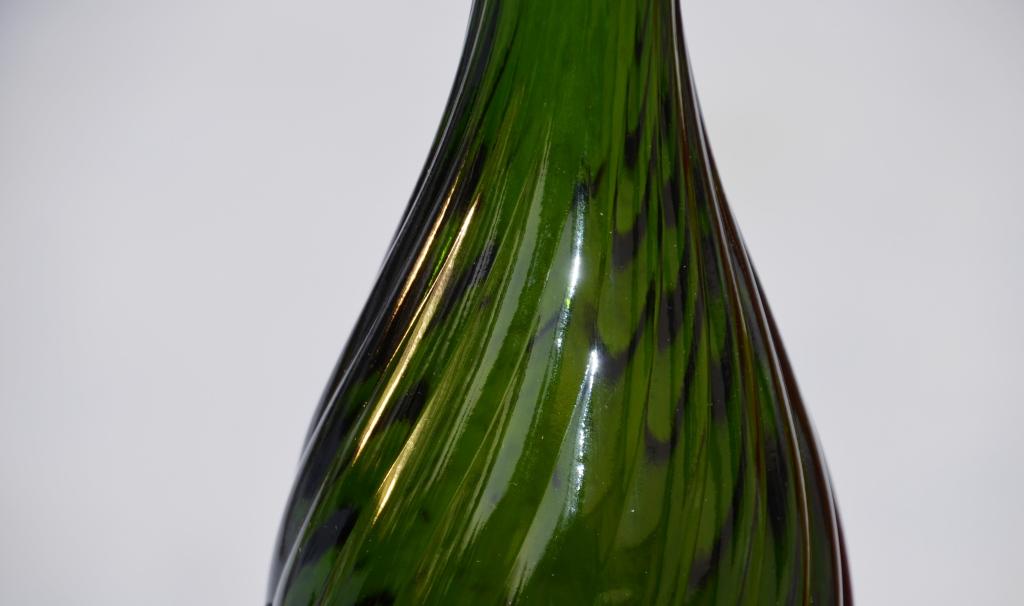
and here is the answer:
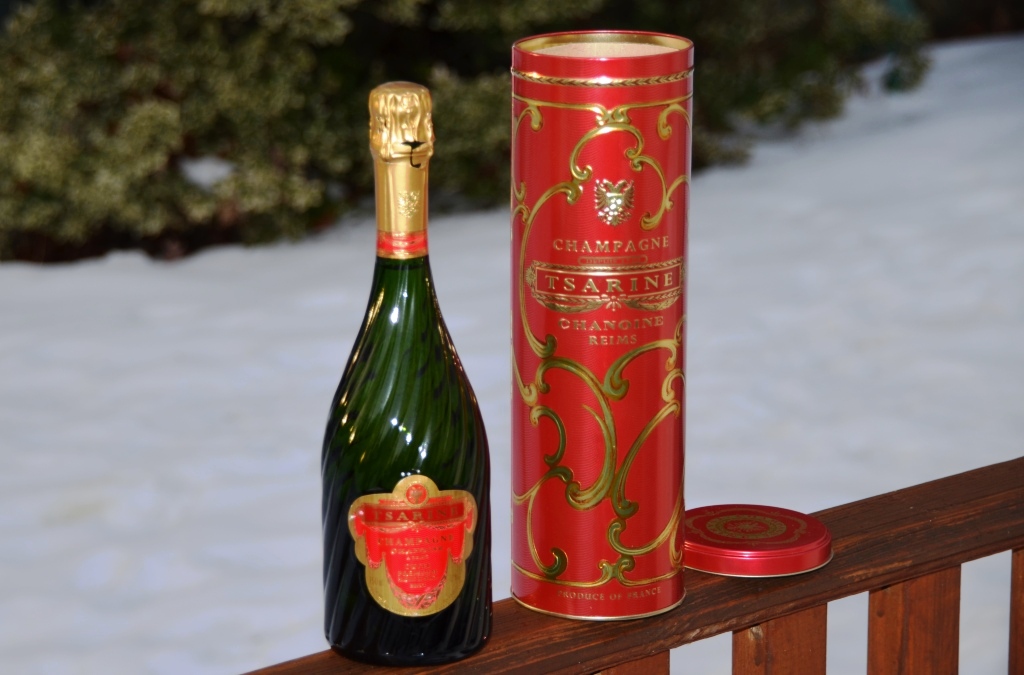
Champagne Tsarine


Until a few days ago, I didn’t even know that Champagne Tsarine exists. When I saw a beautiful case and the bottle, the idea of the quiz was born. It appears that Champagne Tsarine was created in 1730, with the square aim on Russian Tzar (Tzar = Tsar, hence the name “Tsarine”, meaning “belonging to Tzar”) and his royal court, and their insatiable appetite for all things French. You can find more details at the Champagne Tsarine web site. No, I didn’t try this champagne yet, it is in the plans for the New Year celebration.
As I said, this was a very difficult quiz. A number of people suggested that this was a bottle, which was definitely the right direction. I was hoping that all the curves will point in the direction of Russian architecture – this was a purposeful design behind the bottle. In case you will not care going to the Champagne Tsarine web site, so here are few sentence which describe the design: “Its exclusively designed, long, curved bottle bears certain similarities to the architecture of the great Russian monuments. Its emblematic colours, its rounded label and its evocative name are all redolent of the period of the great Russian dynasties.”
Anyway, we don’t have a clear winner today, but I have to give honorable mention to Wine And History, who came in the closest, only suggesting that this was a bottle of Prosecco, and not the Champagne. Well done!
Now, to the interesting stuff around the vine and the web.
I have a few interesting reads to bring to your attention. First, have you ever heard about 27-liter ( 3 cases worth) bottle of the wine called Primat? I personally have not. Here is a link to the article from Mike Veseth, where he is talking about his extreme wines of the year – that Primat bottle sounds very extreme to me, but there is a lot more to read there.
Next I want to bring to your attention a few posts from Dr. Vino, where is covering latest happenings around the counterfeited wines, Rudy Kurniawan trial and more. Just go and read (and watch) them – CBS Sunday Morning episode, Outtakes form the trial, the verdict.
Last but not least – a great collection of Christmas wine cartoons, as presented in the Wine Wankers blog. No other comments needed here.
And we are done! The glass is empty, but the refill is on the way. Open some great bottles tonight! Happy Holidays and Cheers!
Wednesday’s Meritage – Wine Quiz Answer, WTSO Magnum Marathon, Globalization!, #MWWC6 and more
 Meritage time!
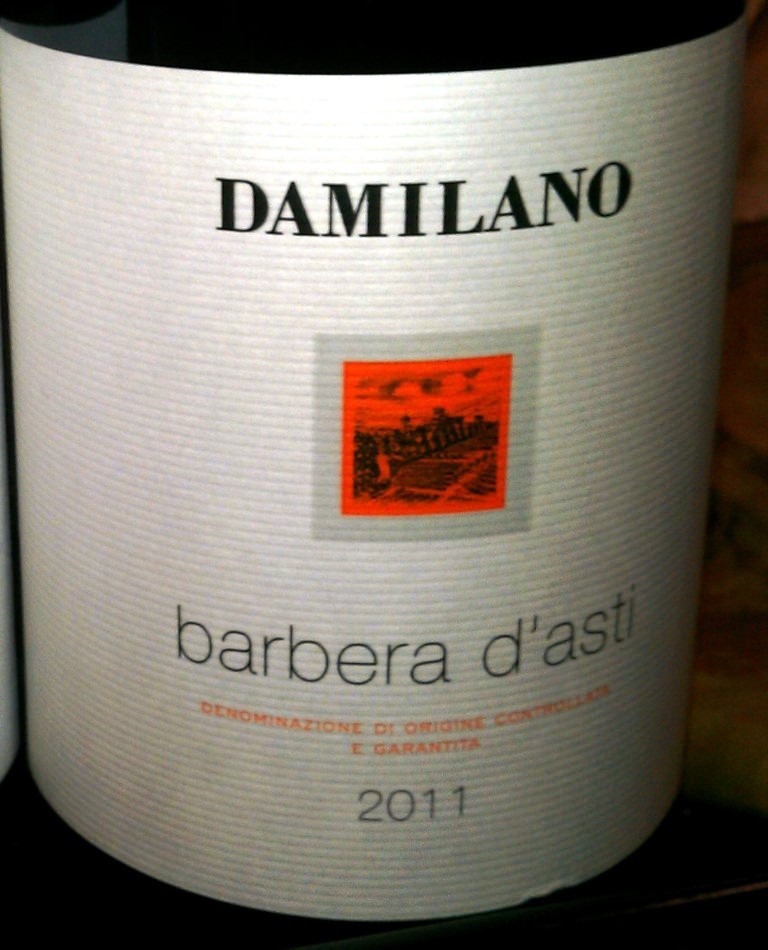
First, let’s start with the answer for the wine quiz #84, grape trivia – Barbera.
In the quiz, you were supposed to answer 5 questions about red grape called Barbera. Here are the questions, now with the answers:
Q1: Based on the latest DNA analysis, which well known Spanish grape appears to be a close relative of Barbera?
A1: Spanish grape Monastrell (known in France as Mourvèdre) appears to be a close relative of Barbera (but ohh so different).
Q2: What well-known grape became popular blending partner of Barbera as of late?
A2: As of late, Nebbiolo, a close neighbor of Barbera, is often used in the blends with Barbera to round up the resulting wine.
Q3: The new technique was introduced in making the wines out of Barbera in the second half of the 20th century, which helped to improved the quality of the wines. Which one do you think it was:
a. Malolactic fermentation, b. Fermentation and aging in the small oak casks, c. Carbonic maceration, d. Reverse osmosis
A3: b, Fermentation and aging in the small oak casks, seems to be the preferred method to tame the acidity and add some tannins to the resulting wine, making it also age-worthy.
Q4: Wine Spectator calls wines rated in 95-100 range Classic (the highest and the most prestigious category). True or False: there are no Barbera-based wines rated in the Classic category
A4: False. But I have to admit that Barbera is only marginally there, with just 2 wines having 95 rating.
Q5: Fill in the blanks: Barbera typically ripens two weeks later than _____, but at the same time it is two weeks earlier than ____.
A5: Barbera typically ripens two weeks later than Dolcetto, but at the same time it is two weeks earlier than Nebbiolo.
Talking about the results, Jeff, a.k.a. the drunken cyclist, answered all 5 questions correctly so he gets (again) the prize of unlimited bragging rights. Well done! I also would like to mention Alissa, who put the quiz upside down and instead of answering the questions in the quiz, asked me a very interesting question. As a “bonus question”, I would like to pass it on to you: “Outside of Asti is a place which pays homage to a man who helped with the unification of Italy, commercialization of Italy’s wine industry, and houses the first regional enoteca in the Piedmont region. Name it.” If you know the answer, don’t be shy and comment away!
Now, to the interesting stuff around the vine and the web!
First, don’t miss the WTSO Magnum Marathon tomorrow, December 12. Starting at 8 AM Eastern time, WTSO will be offering large format wines, at least 1.5L or more in size. The wines will be priced from $24.99 to $499.99/bottle, and the new wines will be offered every 30 minutes or sooner, if the previous wine will sold out. The new wines will be announced only on Twitter, follow @WTSO so you will not miss out.
Next, I came across a very interesting article by Mike Veseth of The Wine Economist fame, talking about Globalization of wine and food. Actually, his article in itself is already an aggregation of a number of other articles. It is definitely worth a few minutes of your time, so please head to Mike’s blog to read it.
Now, it appears that The Drunken Cyclist is definitely a star of today’s Meritage. In addition to correctly solving the quiz, he is behind two noteworthy events. First, as a winner of the Monthly Wine Writing Challenge #5 (#MWWC5) – Congratulations, Jeff! – he announced the theme for #MWWC6, which is going to be … Mystery. Sharpen your pencils, or may be flex your fingers, get your thinking cap/hat/fedora on and start writing. #MWWC6 Rules and regulations can be found here.
Second event is also a brainchild of TDC, and it is a secret Wine Santa project. The idea is to get all the bloggers (and readers) who is interested in playing a secret wine Santa by sending the wine to the completely unsuspecting recipient (and of course also getting the one him- or herself) to provide their address information back to Jeff, who will then randomly assign the aspiring alcoholics in pairs. All the rules can be found here, and if you are interested in participation, make sure to get back to Jeff not later than this coming Friday 12/13.
That’s all I have for you for today, folks. The glass is empty – but refill is on its way. Until the next time – cheers!
Last Bottle Sign Up ($10 credit)




 Talk-A-Vino