Archive
Wines of United States
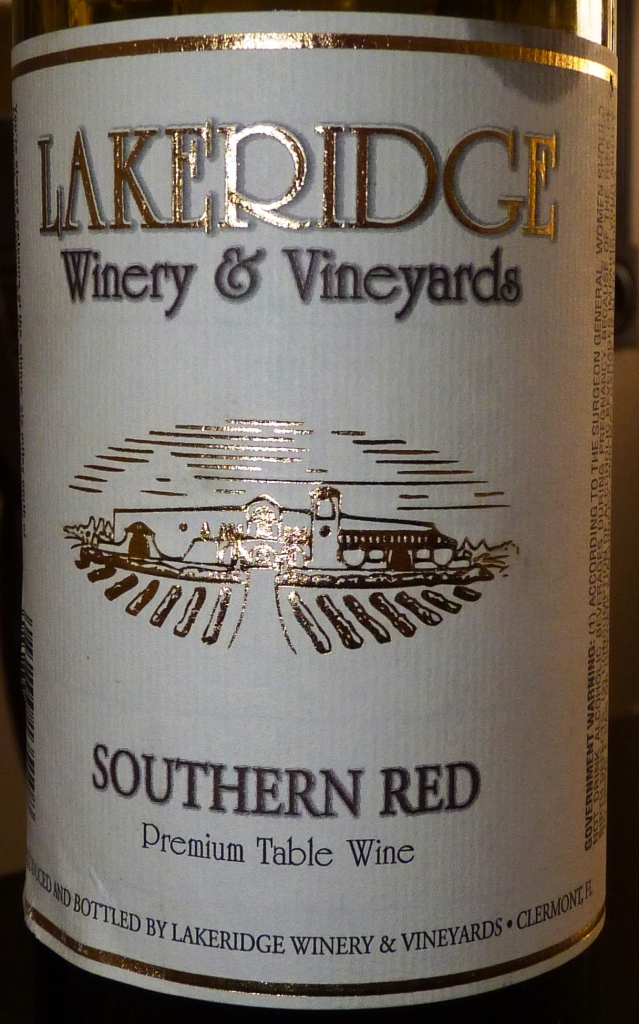 When you run a wine tasting, one of the great ways to keep people engaged all the time is to ask questions – trivia type and not. One of the simple warmup questions I like to ask the audience is “What do you think, how many states make the wine in the US? This sounds simple enough and goes into the “your guess is as good as mine” category. People usually start with some random number (trying to put sense into it, though), and sometime someone will say “all 50” – often just as a joke. Actually, it is the correct answer – for w while, all 50 states produce some wines.
So did you ever think of exploring and experiencing the wines of all 50 states? I’m sure you had California, Oregon, Washington and New York wines, but what about the other 46 states? Last week in Florida, I came across Lakeridge Winery Southern Red Premium Table Wine produced in Clermont, Florida. This wine allowed me to add one more grape to the grape count – Muscadin. And this wine prompted this blog post and the table which I would like to share with you, which lists my experiences with the grapes and wines of all United States to the date:
|
State |
Tasted Wine |
Visited Winery |
Comments |
| Alabama | |||
| Alaska | |||
| Arizona |
Y |
||
| Arkansas | |||
| California |
Y |
Y |
|
| Colorado | |||
| Connecticut |
Y |
||
| Delaware | |||
| Florida |
Y |
||
| Georgia | |||
| Hawaii |
Y |
Pineapple wine | |
| Idaho | |||
| Illinois | |||
| Indiana | |||
| Iowa | |||
| Kansas | |||
| Kentucky | |||
| Louisiana | |||
| Maine |
Y |
Y |
|
| Maryland | |||
| Massachusetts |
Y |
Y |
Truro Vineyards, Nashoba Winery |
| Michigan | |||
| Minnesota | |||
| Mississippi | |||
| Missouri | |||
| Montana | |||
| Nebraska | |||
| Nevada | |||
| New Hampshire | |||
| New Jersey |
Y |
||
| New Mexico |
Y |
||
| New York |
Y |
Y |
Fingerlakes, LI, Hudson |
| North Carolina | |||
| North Dakota | |||
| Ohio | |||
| Oklahoma | |||
| Oregon |
Y |
||
| Pennsylvania |
Y |
Y |
Chaddsford |
| Rhode Island | |||
| South Carolina | |||
| South Dakota | |||
| Tennessee | |||
| Texas |
Y |
||
| Utah | |||
| Vermont | |||
| Virginia |
Y |
Y |
Chrysalis, Williamsburg Winery |
| Washington |
Y |
||
| West Virginia | |||
| Wisconsin | |||
| Wyoming |
What is your experience with wines from 50 states? Can you count and share? It is definitely a fun exercise and might bring back some good memories while you are at it. Happy counting! Cheers!
Counting Grapes, One at a Time
 I’m really glad I discovered Wine Century Club about four years ago. Ever since that happened, I’m on the lookout for the new grapes. What is so special about it? Once you get outside of the traditional circle of about 50 grapes, each new grape comes with its own unique personality. Once you cross 200 varieties, the process of finding new grapes becomes complicated, and once you cross 300, it is even trickier (just to put things in perspective, upcoming Jancis Robinson’s book lists more than 1,300 grape varieties used in the wine making). Nevertheless, search is well worth it, because what you find is unique and different.
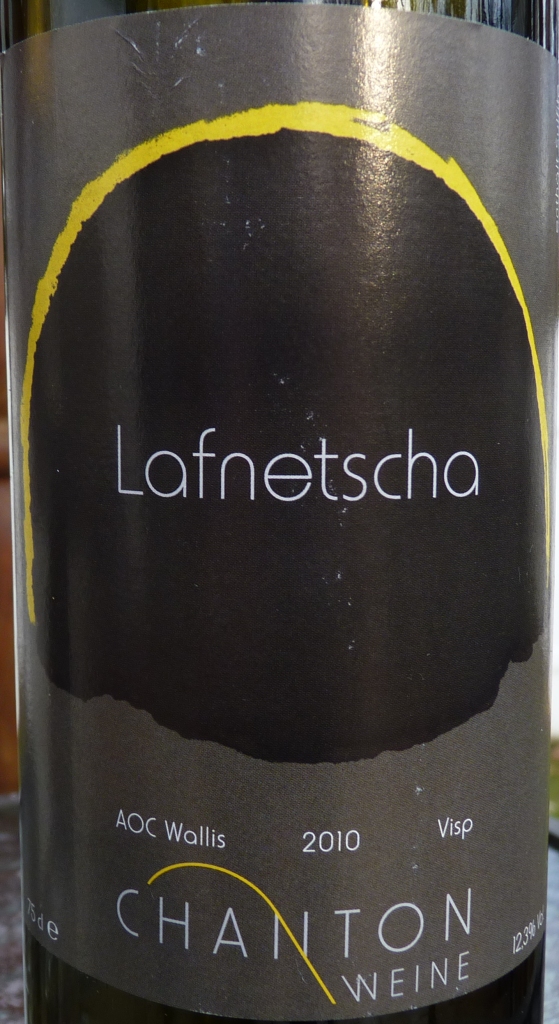
Grape number 355 is Lafnetscha from Switzerland, courtesy of my friend Patrick. I would like to point out that this white wine was very hard to find even in Switzerland (he had to special-order it), as plantings of the grape are extremely limited.
This 2010 Chanton Visp Lafnetscha, AOC Wallis was an excellent wine. Very round and gentle with nice vegetable profile (not herbaceous and not fruity). Cucumbers and zucchini on the palate, good balancing acidity. I can only wish I had more than one bottle of it…
Next in line is Resi, another unique grape from Switzerland – but for now, this bottle just waits to be open. I’m well on the path to the 360 varieties, but I expect that finding those additional 40 grapes needed to reach Quattro level, will not be straightforward. Any ideas and suggestions will be greatly appreciated. Cheers!
Wine Experiences, From Canadian Riesling to Cult Californian and Beyond
 Delaying, delaying, delaying. I have so many experiences and moments to share – and literally, the whole of September had been a dread. This September will have the least number of posts since I started to regularly write this blog. Oh well. It’s been a busy month, at work and outside, so hopefully October will be more fruitful in terms of wine (and life) writing.
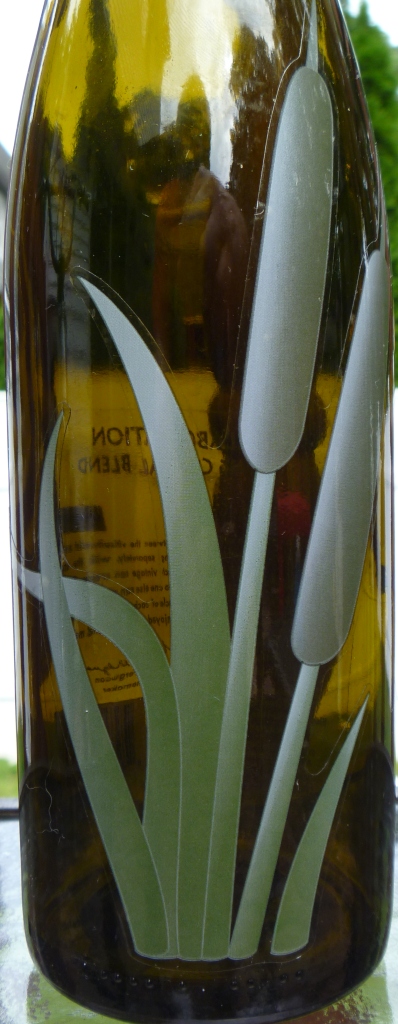
Let me just sum up some of my recent experiences. One of the very first things I want to mention is a substantial advance in the “grape count” – adding 11 new grapes (reaching a total of 351) – well, yes, some of them clones. The Clonal Project Riesling from Cattail Creek winery in Canada brings in 4 different Riesling clones. It was also possible to taste those clones individually, but at about $100 for the set, it was an expensive proposition. However, this Clonal Riesling, a blend of four clones was outright delicious, with a great harmony of fruit, earthiness and acidity – it was a great wine. Here is the list of all the new grapes:
Riesling Clone 239, Riesling Clone 49, Riesling Clone 21 Young Vines, Riesling Clone 21 Old Vines – 2009 Riesling Clonal Blend, VQA Four Mile Creek, Canada
Zibibbo – Donnafugata Ben Rye, Passito di Pantelleria DOC
Pignolo – 2007 Bastianich Callabrone Rosso, Friuli DOC
Schioppettino – 2007 Bastianich Callabrone Rosso, Friuli DOC
Vranac – Rubin Vranac, Serbia
Mavrotragano – 2006 Atlantis Red, Santorini, Greece
Carignan Blanc – 2009 Pico’VDP de l’Herault Blanc
Trepat Blanc – 2007 Blanc de Montsalvat, Priorat DOC
Have to honestly tell you that all these wines were very good, each having it’s own personality and very pleasant to drink. I’m also very glad to add Pignolo and Schioppettino grapes, as those two are part of the main table in the Wine Century club application – may be one day it will be complete!
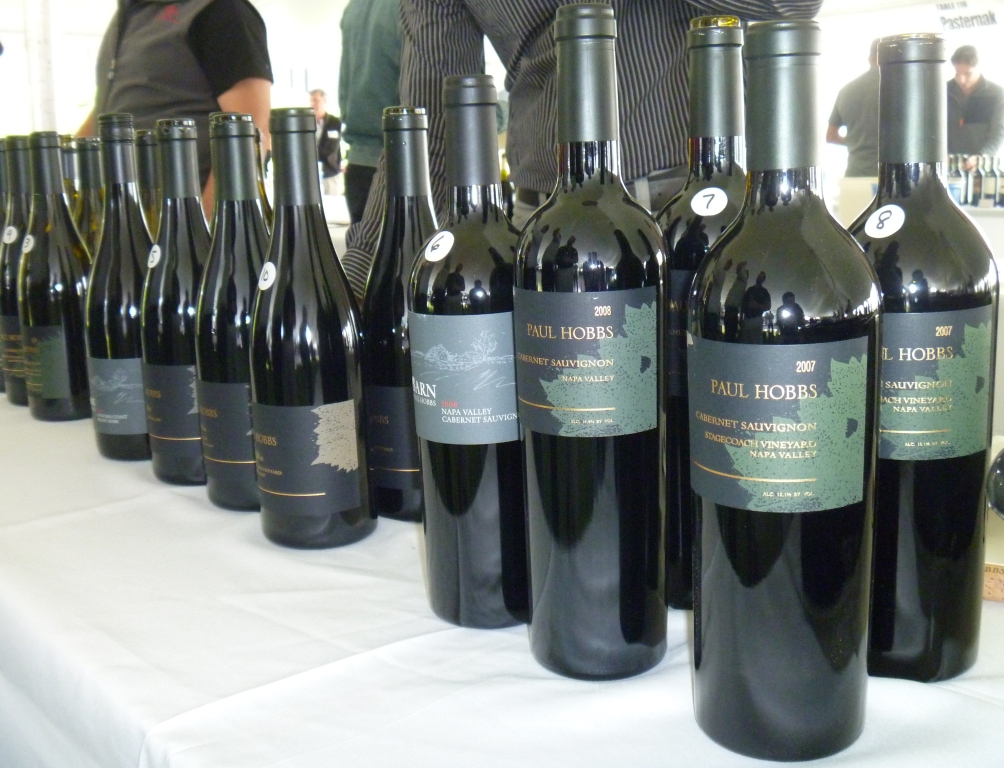
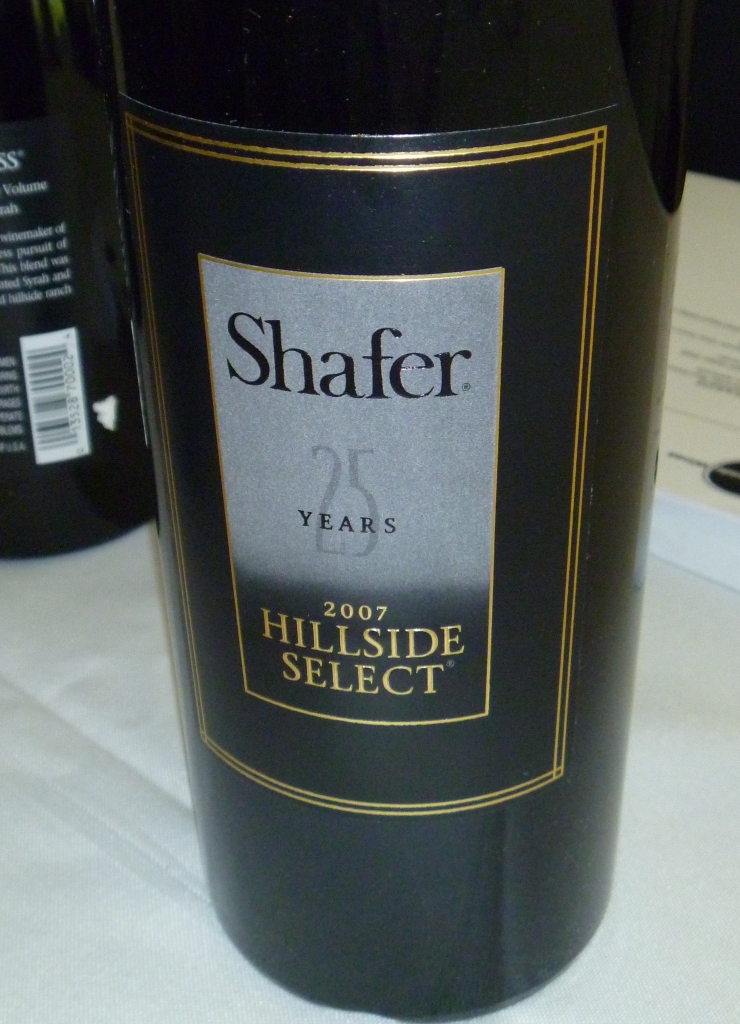
During September I was lucky enough to attend two trade wine tastings. One word to describe the experience is – “overwhelming”. I can’t do a fair representation of all the great wines we tried – Paul Hobbs, Shafer Hillside, Honig, Evening Land, Bussia Barolo, Archery Summit, Blankiet Estate, Palmaz, … – the list can go on and on (just to give you an idea, there were about 1400 wines in the first tasting, and about 700 wines in the second – of course nobody tried all those wines, but you understand the size). Here are some of the highlights, in pictures:
Paul Hobbs wines:
Evening Land Pinot Noirs from Oregon – amazing:

Shafer Hillside:
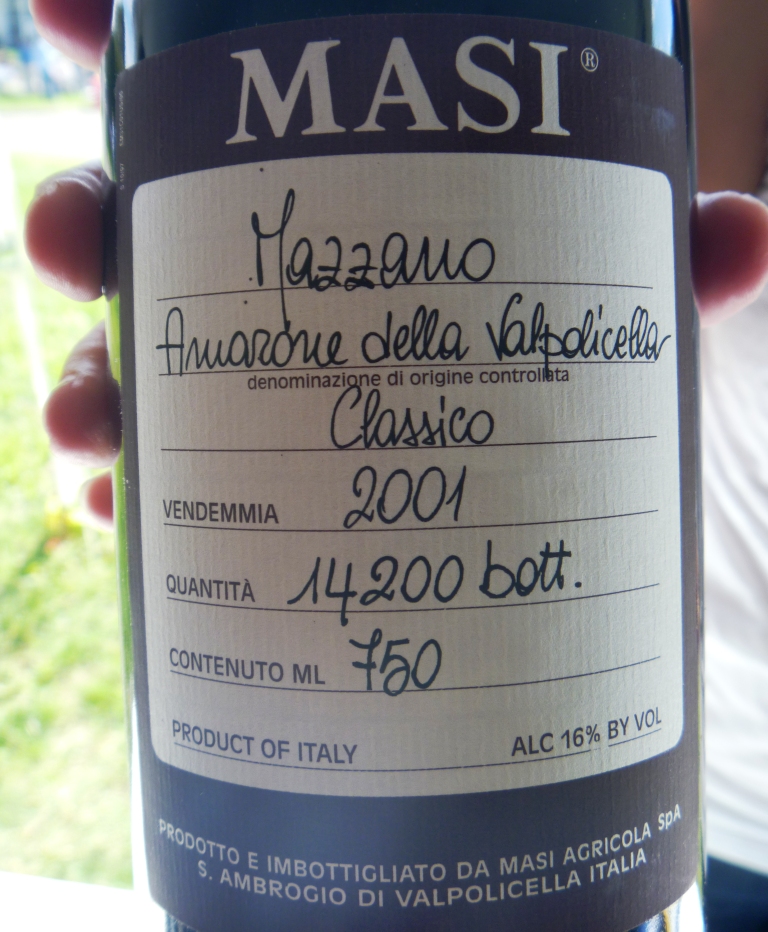
2001 Masi Mazzano Amarone – this is what Amarone should taste like – absolutely amazing, my personal favorite in tasting:
To complete the updates, I started new series of blog posts at The Art Of Life Magazine – the series dedicated to spirits, and first two posts in the series are talking about Brandy and Scotch.
That’s all for now, folks. Have to go – talk to you later. Cheers!
About Coffee, Plus Some Updates
Why coffee? 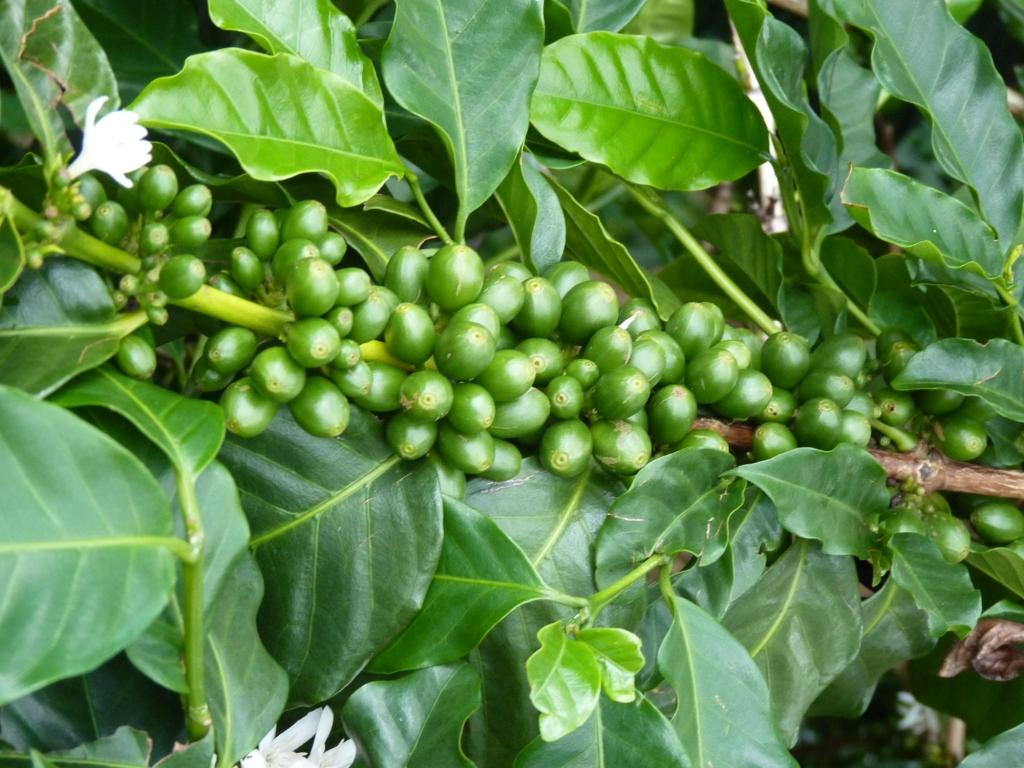 First, this is the answer to the last “What is it” post – it is actually Kona coffee berries (picture taken at Greenwell Farms in Kona, Hawaii). The reason to chose that picture was simple – I was fascinated by a number of similarities in coffee production and wine making – in both cases I’m talking about very good coffee ( Kona is one of the best coffee types in the world) and very good wines. Coffee berries are picked by hand, and also they are picked selectively – only individual ripe berries are taken from the bunch, and the rest is left to ripen. Coffee beans have their skin removed (sounds familiar?), and then they are left to dry under the sun (same as the grapes used for production of Amarone, one of my favorite wines). Once the coffee beans are dried and cleaned, they are left to rest for at least a month or two, before they will be roasted – and this is the step which is enforced by the years of experience and tradition, and nobody asks for explanations – this have to be done just because it has to be done. Again, the same element of mystery and tradition as in production of a good wine. And last, but not least – complexities of the final beverage. Good coffee, similar to the good wine, has layered complexity and brings a lot of pleasure. Anyway, I will look for more obvious picture for the next “what is it ” game.
Now, let’s talk about updates. First, the Treble certificate from the Wine Century Club has finally arrived! Not that I want to brag, but let me share the picture with you:
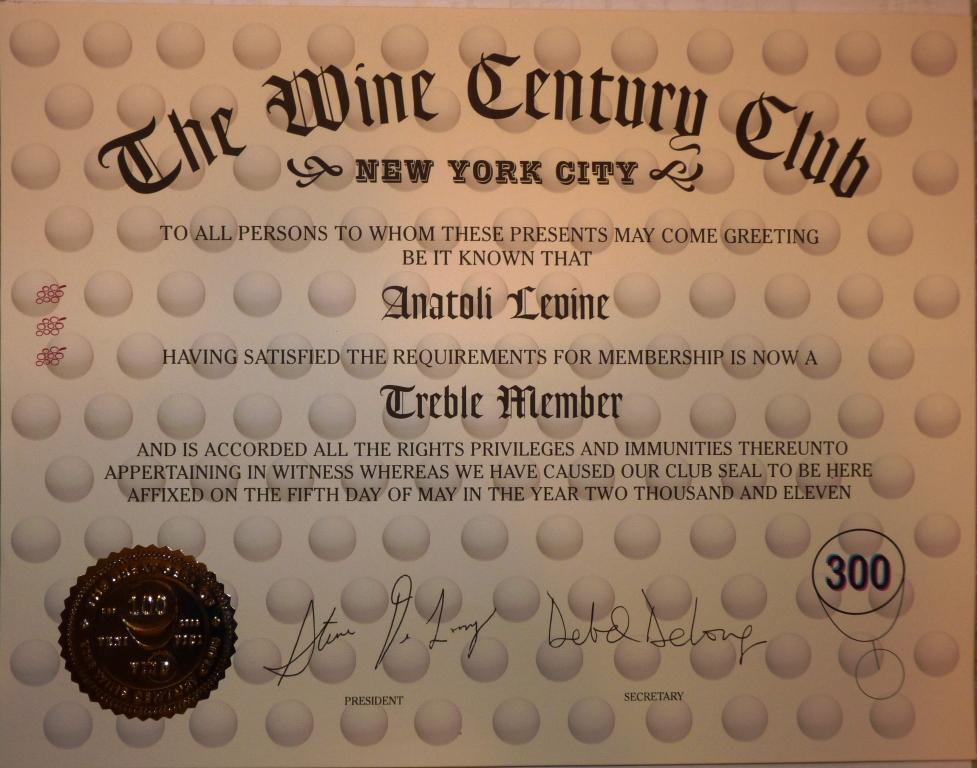
‘nuf said – getting to the Quattro level will not be too easy, so don’t expect to see a picture of another certificate any time soon.
Lastly, I’m continuing writing posts for The Art of Life Magazine. Last two posts were in “Forgotten Vines” series, talking about Jerez (Sherry) and Madeira, both wines are hard to find, but worth seeking – you can find posts here and here.
That’s all for now, folks. Cheers!
Grape Quest Continues
 Treble Journey finished, destination reached – 301. Do I simply stop or do I leave the port for the next destination – Quattro? 400 different grapes to be experienced in some form?
Yes, I have to honestly admit that I enjoyed that Treble journey. I happened to discover real gems along the way, such as Nielucciu, Grolleau, Grignolino, Pigato, Pugnitello, Romorantin and many others. What now?
As it often happens with me, I decided not to decide. I don’t want to set my mind on the “quattro journey”, as level of obsession will go again ( as it was with Treble) really high. At the same time, the need to look for “what is actually inside of that bottle, may be it is a new grape?” became really ingrained into the DNA, and nothing I can do about it.
The decision is to take it as it goes. I’m not going to spend hours on internet, looking for the grapes I need to try to advance to the next level. At the same time, I’m going to keep paying attention to “what’s inside”, and continue counting the new grapes. To reflect that, “Treble count” on the front page is now “Grape Count”, and it will keep ticking.
And to make an early advance, I was quite lucky (thanks to my friend Zak) to attend a big wine tasting event (one of the posts in the near future will be raving about amazing wines we tried), so the grape counter is advancing by 8 – here is the list:
Gamay Saint Romaine: 2010 Domaine Robert Serol Cote Roannaise Rose “Cabochard”
Tressalier: 2009 Domaine Nebout SAt. Pourcain Blanc Tressalier des Graviers
Mondeuse: 2008 Roger Labbe Mondeuse
Colorino (Tintoretto): 2010 Terenzuola Rosato “Merla Rosa”
Albana: 2009 Fattoria Zerbina Albana di Romagna Secco “AS”
Vespolina, Uva Rara: 2004 Vallana Boca
Prugnolo Gentile: 2006 La Spinetta Il Gentile di Casanova
I’m looking forward continuing this journey – and of course, I will report along the way on all discoveries. Let’s go…
301!
 Can you guess from the title alone what this post will be all about? If you are not new to this blog, I’m sure you got it figured out, and if you didn’t spend much time here before, you can check this post, it will give you a hint. Yes, you got it right – I got to 300 different grapes, and now can officially apply for the Treble level at the Wine Century club! For anyone interested in seeing the copy of that application, you can find it here: Application_WineCentury_Treble.
This “Treble Journey” was interesting. It required complete focus: entering the wine store, you are on the mission. You are not looking for a nice bottle of reasonably priced Cabernet Sauvignon – instead, you are looking for the wine from the most obscure place (of course it is also located in the corner of the store you’ve never been to before), hoping it is made out of grape you didn’t try yet.
Reaching this 300 grapes level was big and often simply a communal effort. My friend Patrick was finding and bringing wines from Switzerland. My friend Zak, owner of Cost Less Wines and Liquors, was going after all of his suppliers asking for rare grape recommendations. I had to spend a lot of time trying to find unusual wines on the budget, sometimes bringing them from across the country or halfway from across the world (for instance, Emerald Riesling, which grows only in Israel). A lot of time went also into “grape research”, making sure that grape is unique or at least an officially recognized clone, and not just a different name for the grape already accounted for.
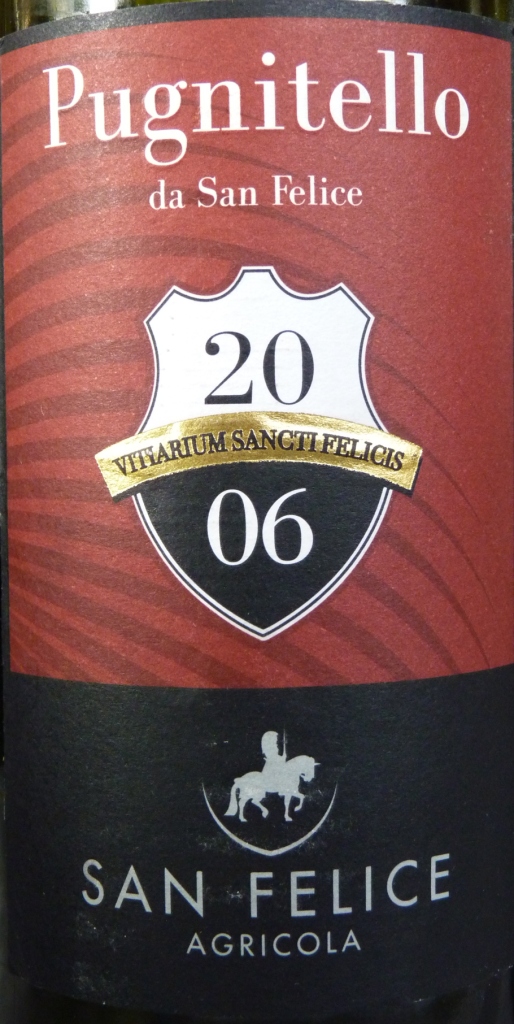
Anyway, here I am. 301. The grapes which helped to cross into the treble world were Findling (swiss clone of Muller-Thurgau), Coda di Volpe (Lacryma Christi del Vesuvio), Pigato, and Pugnitello:
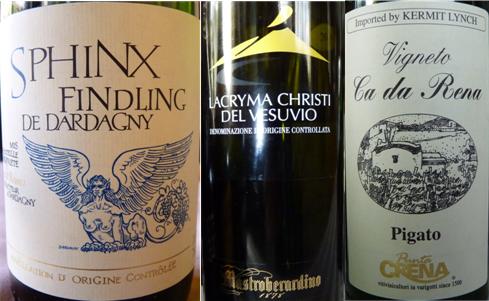
Both Findling and Lacryma Christi were nice wines (which is not always the rule when you are going after rare grapes), but the great thing was that Treble Journey finished in style, thanks to Pigato and Pugnitello wines. This 2009 Punta Crena Pigato Vigneto Ca da Rena from Liguria in Italy was one of the very best white wines I ever had – full body, great balance of fruit and acidity, with fruit taking back seat and letting polished roundness to shine – outstanding (Drinkability: 9). And 2006 San Felice Pugnitello from Tuscany was also outstanding, earthy and pungent, very balanced with a long finish (Drinkability: 9-).
Well, the Treble Journey is over. Am I done with this [tedious] process of grape discoveries? I don’t think so. The next level is called Quattro, and it requires… yep, 400 grapes! Anyone cares to join? Let’s go!
Treble Journey: On The Finishing Line, #293 – #297
 300. Getting closer and closer. It is amazing what dedication and focus can do – fine, yes, we learned that in school, the trick is to practice that “dedication and focus” thing.
When I restarted this crazy “grape quest” in May of 2010, I had no idea that I will be able to move from about 210 grapes to almost 300 in 7 month. But it’s actually happening – after this report, I will be 3 grapes away from 300. And those 3 additional wines (grapes) are simply waiting for its moment, quietly resting in the cellar. Looking back, yes, I had to use some clones, but in any case I was able to advance here without use of a secret weapon, the wine with 152 grape varieties in it!
Last big group of new grapes was largely based on varieties from Georgia. This latest group consists of 3 grapes from Italy, one from Hungary and one from Israel. Another interesting detail is that 4 out of 5 are part of the main application table – I really hope that main table will be complete one day!
 So the new grapes are:
Schiava – 2009 Elena Walch Schiava Alto Adige DOC, Italy – nice soft red wine, medium body, has a little gaminess.
Ruche – 2005 La Mondianese Ruche di Castagnole Monferrato DOC, Italy – Nice, gamey wine, very earthy and well balanced.
Erbaluce – 2008 La Torrazza Erbaluce di Caluso DOC, Italy – very acidic while cold, and showing some fruit when warms up, but not very distinguishable overall
Portugieser – 2008 Gere Villany Portugieser, Hungary – Again, gamey wine, very tight initially. Opened up after two days, became quite drinkable. Will beneft from a few years in the cellar.
Emerald Riesling – 2009 Teperberg Terra Emerald Riesling, Israel. It is not the fiurst time I write about Teperberg wines. This Emerald Riesling was a bit sharp on the edges and a bit dryer than you would expect from “semi-dry white wine”, but it was drinkable nevertheless.
The Treble Journey is nearing it’s finishing line. Will there be a Quattro Journey? Well, you will be the first to know…
Daily Glass: Grolleau, A Treat For The Palate
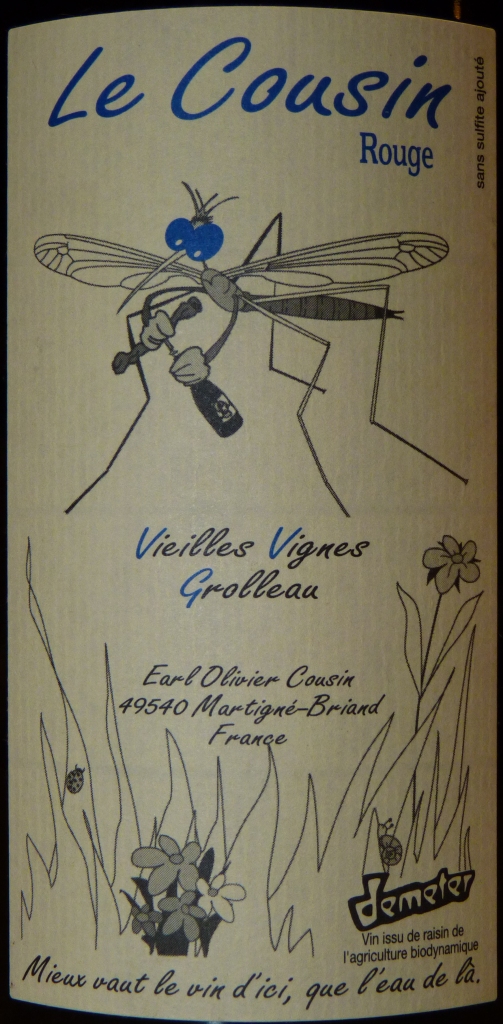 Previously, we discussed how expectations affect the taste of wine (you can read about it here and here). Sometimes, it is probably better to have no expectations at all! You don’t get upset, and you don’t get too excited if you simply have no expectations at all and just take life events one by one as they come up – oops, let’s stop this philosophical spur, I might not dig out of that hole or get beaten up.
Let’s talk about wine, for which I had no expectations whatsoever. On the Treble Journey road, you come across many different wines. Some of them make you regret you ever touched the bottle, and some of them make you feel really happy you did. This wine, Le Cousin Rouge from Anjou region in France, made out of the grape called Grolleau, definitely belongs to the second category.
The reason? This wine is unique and different. Not because it is bio-dynamic wine – this is great, but not enough. It is simply different from majority of the wines I ever had, and has very unusual flavor profile. In one of the earlier posts, I called the wine I had a liquid steak ( and I said it was the most unusual). I didn’t know that the “unusual” wine will have competition – and it does, as I would like to call this Grolleau wine a liquid salami. Yes, you read it correctly. It has such a balance of acidity, earthiness and pungent feeling it leaves on the palate that I can only compare it with nice Italian salami. You don’t have to believe me – just find this bottle of wine, try it and let me know what do you think.
And of course the great thing is that I’m inching forward towards that 300 number, which gets closer and closer. I’m glad to make such discoveries along my Treble Journey – and I wish to your palate many happy experiences!
Treble Journey Update – Advancing Into The Last Ten (#283 – #291)
 When I restarted my Wine Century Club crazy grape adventure in the May of this year, I had no idea how long will it take to get from about 200 grapes (was not so easy to get even there, trust me) to the 300 grapes, which are required to achieve Treble level.
I started documenting the journey from Doppel to the Treble level with one of the very first posts in this blog. On July 20th, I was talking about grape number 240. It is middle December now, and I’m crossing into the last ten. The last advance, from #283 to the #291 was mostly made due to the Georgian wines, where a lot of authentic grapes are used. So in no particular order, the latest group includes the following grapes:
Kisi – from very nice white wine Marani Kondoli Mtsvane Kisi 2008, Georgia
Mujuretuli – red grape used in the famous Georgian wine called Khvanchkara
Aladasturi – red grape used in another Georgian wine, Alaverdi Me and You 2002, Kakheti – nice and round wine
Tsolikauri – white grape used in Georgian wine called Tvishi (Teliani Valley Tvishi 2005) – the wine was surprisingly good, with a hint of sweetness, good fruit and acidity
Tsitska and Chinebuli – white grapes used in the Bagrationi sparking wine I wrote about in my previous post.
In addition to these Georgian grapes, two more wines added 3 grapes:
Picolit and Malvasia Istriana – used in white Italian wine Jermann Vintage Tunina 2006. This was one of the most unusual white wines I ever tried, full bodied, with the tart fruit expression and pronounced sense of place.
Roter Veltliner – white grape from Austria (wine was called Ecker Roter Veltliner 2008). I’m not sure I would be able to distinguish Roter Veltliner from Gruner Veltliner, but at the same time I never tried…
All together that brings us to the number 291. And to put the final target within the reach, more wines are waiting to be tried, which will add Coda di Volpe, Erbaluce, Portugieser, Ruche, Grolleau, Schiava and Pigato – you do the math.
So the fun journey continues, and I will make sure to report on it. As they say on the radio, stay tuned…
Treble Journey: Sciccarellu, Barbarossa and Niellucciu, #274 – #276
 So, you can not pronounce the name of the first grape? Google doesn’t help? Don’t feel bad. The owner of the wine store in Paris, where I bough these two wines, had troubles with pronouncing “Sciccarellu”. I guess another way to write the name of the same grape is Sciacarello, or at least this is the closest on Wikipedia, but it doesn’t make it better known grape, at least for me.
As with any journey, there are ups and downs. Once you get off the well known path, you are in for the surprises, good and bad (luckily, it is wine, so the worst surprise is “here is something I don’t ever want to taste again”). When you open a wine made from obscure, maybe almost extinct grape, you really don’t know what to expect. There are cases where you really wish you never tasted that wine (did you have lately any Retsina wines from Greece?). Then there are those when you say “ok, doesn’t taste like anything, really”. Good surprises don’t come as often as one might wish. But – here we go. Two wines from Corsica, 3 new grapes for the Treble Journey, great experience and lots of pleasure – to give you a short summary.
To start with Rose, behind hardly pronounceable grape names hides an excellent wine. Domaine de Granajolo Corse Porto-Vecchio 2009 is a blend of Sciccarellu, Barbarossa and Syrah. Now, I have to tell you something very honestly. Despite the fact that I’m “practicing” an art of describing the wine taste for more than 7 years now, I still have a very difficult time to provide description in terms of individual components, and often I have equally hard time to find such detailed descriptions useful. What you taste depends on your mood, state of your mind, state of your palate and many other things, it is really personal – but this should be a subject of another post. So I prefer to talk in the terms of “full package” about this particular Rose – it has a lightness of a crispy white wine, but the substance, structure, body and weight of an elegant red wine (nice Burgundy or Pinot Noir from Central Otago comes to mind). And it definitely gives you pleasure. To me, this is perfect everyday wine, no matter if it is hot or cold outside. In the Drinkability terms this is 9- wine.
And if the Rose was great, Niellucciu 2009 from Domaine de Torraccia, also from Corse Porto-Vecchio was even better. The very first sip immediately solicited “Wow”. Earthiness and smokiness of the elegant Burgundy, spices, leather and tobacco of the classic Chateauneuf du Pape all complemented by the depth and structure of the great Barolo (after it is well decanted). Am I exaggerating? Always possible – but I’m honestly just trying to convey my personal perception. If your palate is aligned with mine (I know that is true for some of my friends), I’m sure you will also enjoy this wine immensely. In the Drinkability terms it is definitely a 9.
Now, with all this excitement, comes a sobering thought – I don’t think this wines are available in US… And if someone can prove me wrong – I will be really really really thankful…
Last Bottle Sign Up ($10 credit)




 Talk-A-Vino