Archive
Celebrate Port!
 This might be a first for me – I don’t think I ever posted twice in one day for more than 15 years this blog has been in existence. Well, there is always the first, right? And no, I’m not trying to compensate for the dismal amount of posts over the last year (well, maybe just a tiny bit, but please keep it a secret).
Earlier today, I wrote about the grape holidays for the year 2026, and the first thing that caught my attention was the grape holiday occurring today, January 27 – an International Port Day (interestingly enough, we also have a National Port Day, which is celebrated in September – and we don’t even live in Portugal, go figure).
Port is generally known as a fortified dessert wine. In a perfect world, Port should also be known as the wine produced in Portugal, similarly to Champagne, which can only be made in Champagne, France. However, Port is better known as a dessert wine category, and the name Port is widely used (abused?) by many producers, at least in the US (go to the wine-searcher and search for Zinfandel Port, for example). But let’s focus on the Port coming from its place of origin, Portugal.
Port is a sweet wine, usually having 17% – 22% ABV and 90 to 150 grams of sugar per liter of wine. Well-made Port is absolutely delicious, the same way as Sauternes, TBA Riesling, or an Ice Wine. The key to the sweet wine being delicious lies in the balance – as long as sugar is balanced with acidity, that’s all the wine lover needs to enjoy it.
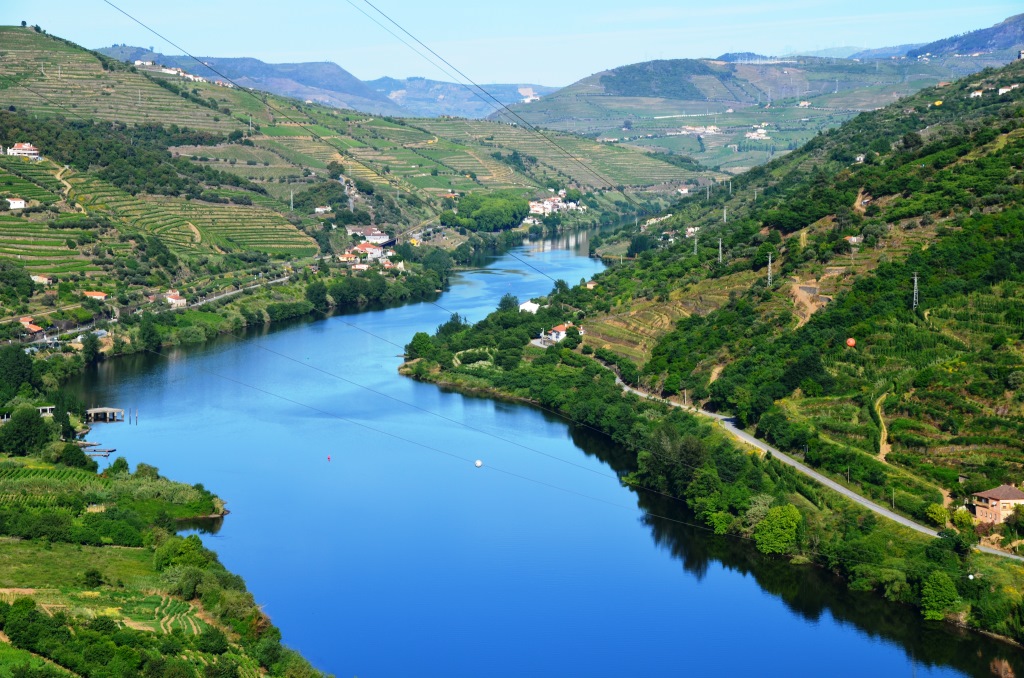
Port used to be the wine of the kings, almost a liquid currency, produced in the Douro region in Portugal, the first demarcated wine region in the world (this tells you how important Port was). Here is one of my favorite pictures used over and over in this blog – just look at this beautiful Douro Valley:
 And yet today, Port is reduced to a little corner in the wine stores, and sometimes the “by the glass” selection in the restaurants’ wine lists.
I don’t know why Port is not as popular as it should be. I’m sure that one factor is a “sugar shame” – we are trained to be ashamed to admit that we like something sweet, so many people would purposely avoid it. Another factor probably has to do with the complexity of the Port styles – there are just too many of them. Just as an illustration, here is a mind map I created for the post where I’m talking about all the different types of Port:
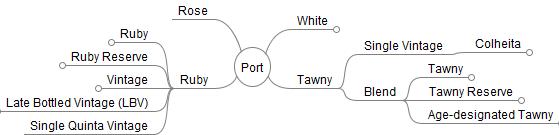
And even the picture above doesn’t cover all the corners – for example, age-designated tawny can be of 10, 20, 30, 40, over 40, and as of recent, even 50 years old. Oh, if you want explanations for this picture, you will find them in this post here.
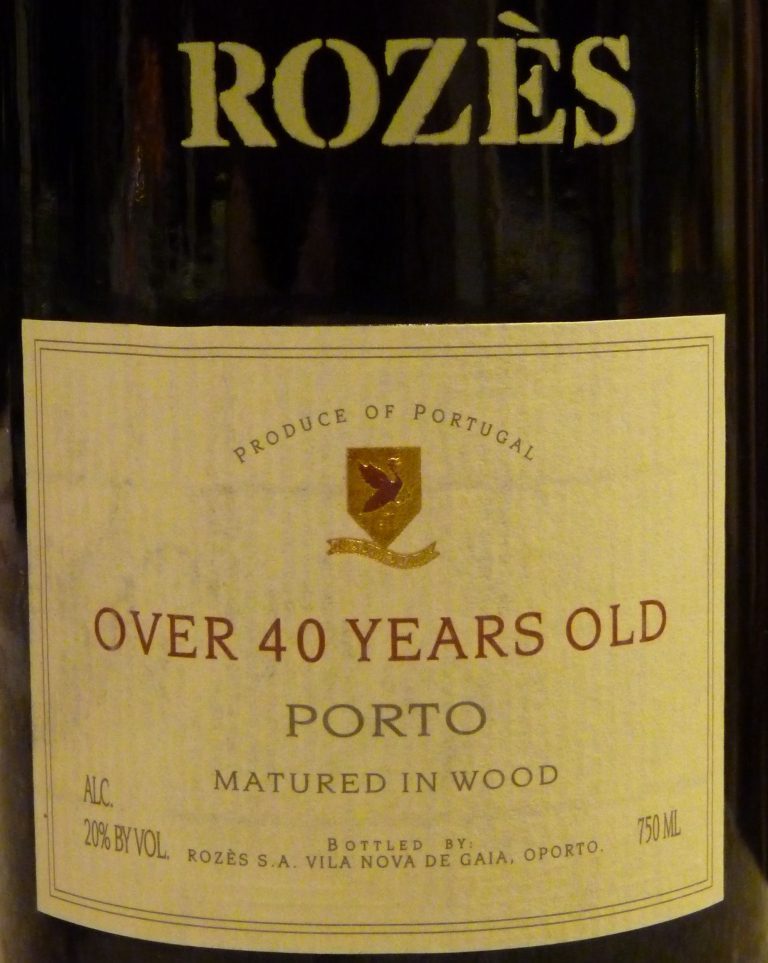
As we are talking about celebrating Port, I have two particular memories I want to share. The first Port I was absolutely mesmerized by was Rozès Over 40 Years Old Porto – I had this wine about 15 years ago, and still, I can close my eyes and relive the magnificent encounter with this elixir – the beauty and complexity of the elegant, fragrant liquid. This wine was #2 on the inaugural Talk-a-Vino 2010 Top Wines List, and you can read more about that encounter here.

1970 White Port
The second most memorable Port experience was with the 1970 Quevedo White Port. We tasted this wine in the cellar of the Port producer Quevedo, directly from the barrel, as Oscar (the winemaker) didn’t know what he could do with the 43-year-old White Port. This 1970 Port became my wine #1 on the 2013 Top Wines list – you can also read about my tasting experience here.
I’m absolutely convinced that Port is the wine well worth celebrating, so happy International Port Day to you!
What are your best Port encounters you remember? Don’t be shy, you know what to do…
Perfect Pairing for a Quiet Night
 Quick: can you name the wine (a type of wine) which would help you to enjoy your quiet evening? Winter evenings often bring out this “quiet night” analogy, as it gets dark really early, and you might find more time available to yourself. But of course, there are plenty of quiet nights during spring, summer, and fall. When all the daily chores are done, the house is getting quiet, you can pour yourself a glass of something, sit in your favorite chair with your favorite book (maybe), and just feel at ease. So what would that “something” in your glass be?
If you said Scotch (neat!), we are totally intuned, but this we will discuss other time.
If you said Port, then we really understand each other, because it is Port I want to talk about today.
What do you think of Port? Not the port-style, but actual, classic Port from Portugal – 10, 20, 30, 40 years old, vintage, late bottled vintage, colheita – doesn’t matter what type and age, but classic Port?
Port used to command the wine world. It was born out of need more than anything else – in the 17th century, the war between England and France forced Englishman to seek a replacement to the French Claret. Portuguese wines were not great, tart and austere, and had a tendency to spoil in transit, until someone discovered that the addition of Brandy can prevent the spoilage – and additional of Brandy during fermentation made wines to retain a lot more of the sugar, thus making them even more palatable.
In the middle of the 18th century, in 1756, the Douro region of Portugal (this is the region where Port is produced) became the first identified and protected wine-growing area in the world (take a note – this is a perfect fact to know for the next wine trivia night with friends). Another interesting trivia fact is that the first time Vintage port terminology was used in the wine auction catalog in 1773, to identify a bottle of an excellent 1765 Vintage Port. However, I don’t want to take you too far into Port types and styles – I wrote about it in the past so please refer to this article if you want to learn more.
Everything was going right for Port in the 18th and a good half of the 19th century until Douro vineyards received a “perfect” one-two punch – first, powdery mildew epidemic which started in 1848, followed by … yes, I’m sure you guessed it – the phylloxera hitting the vineyards in 1870. It was not until 1896 that the Douro vines were consistently grafted on phylloxera-resistant rootstock. From there on, Port started working on the comeback, but never reached its glory days of demand and appreciation.
Just to get a bit philosophical for a minute – you got time, you don’t mind, do you? I would say that there are three reasons why Port doesn’t have the attention it deserves nowadays.
First, the way we eat changed. One of the best “classic” pairings of Port is Port and stilton, the stinky, sharp cheese. Now, we lost the art of dinner where cheese is offered as a dessert course (by the way, forget traditions – there is a scientific explanation of why it makes perfect sense). At the best, cheese is considered an appetizer, often offered as part of the charcuterie board together with smoked and cured meats – but heavy and powerful Port is anything but an aperitive type beverage (I’m not talking about white Port – this is a separate category we are not discussing today).
Second, sweet = shame. We became extremely cautious about other people’s opinions towards us. Port is sweet. It is commonly appropriate to publicly despise sweet things, while secretly craving them. We are born with a love of sugar, and we need sugar as a source of energy – everything in moderation, of course. But outside of enjoying an actual dessert, and especially when it comes to the wine, we are trained to state how much we don’t like sweet, and we don’t enjoy sweet wines at all. “Oh no, I don’t drink sweet wines, no”. The pleasure of the wine is in the balance of the elements – sugar-loaded Sauternes, BA/TBA Rieslings, PX Sherries, Port – as long as the wine has enough acidity, it becomes an absolute pleasure, but we are too afraid to admit publicly that this is something we might be suspected of enjoying.
Third, we lost our ability to relax. You want to take your time with a glass of Port. The time stopped. You can just be, taking tiny sips from a glass, looking at the fire, flowers, or slow-rolling waves. Just be. But we can’t. There is always something new on the phone we need to attend to. We can’t just lose time relaxing. There is a new post to like, what relaxing are you talking about?
It is hard to properly introduce Symington Family Estates and explain its role in the Portuguese wine industry and the world of Port in particular. Symington Family Estates story started more than 130 years ago when Andrew James Symington arrived in Portugal at the age of 19. After spending some time at Graham’s Port, he started a Port shipping company under his name, which was the beginning of the family business.
It is impossible to represent the history of 5 generations of the Symington Family in a few sentences here – here is the link to the Symington Family Estates website where the history is presented in all the finest details. Over the years, Symington Family Estates acquired four of the Port producers – Graham’s, Dow’s, Warre’s, and Cockburn’s, as well as a number of wineries in the Douro Valley. Symington Family Estates owns 26 vineyards (Quintas) in the Douro Valley, a total of 2,255 ha (5,600 acres) of which 1,024 ha (2,560 acres) are under vine. All the vineyards are managed under a strict minimal intervention policy, and 260 acres are certified organic. Symington Family Estates is also a registered B Corporation, the first wine business in Portugal to receive such certification.
Enough about the business – let’s talk about the Port. I want to offer to you a choice of Port for all those quiet moments your heart desires.

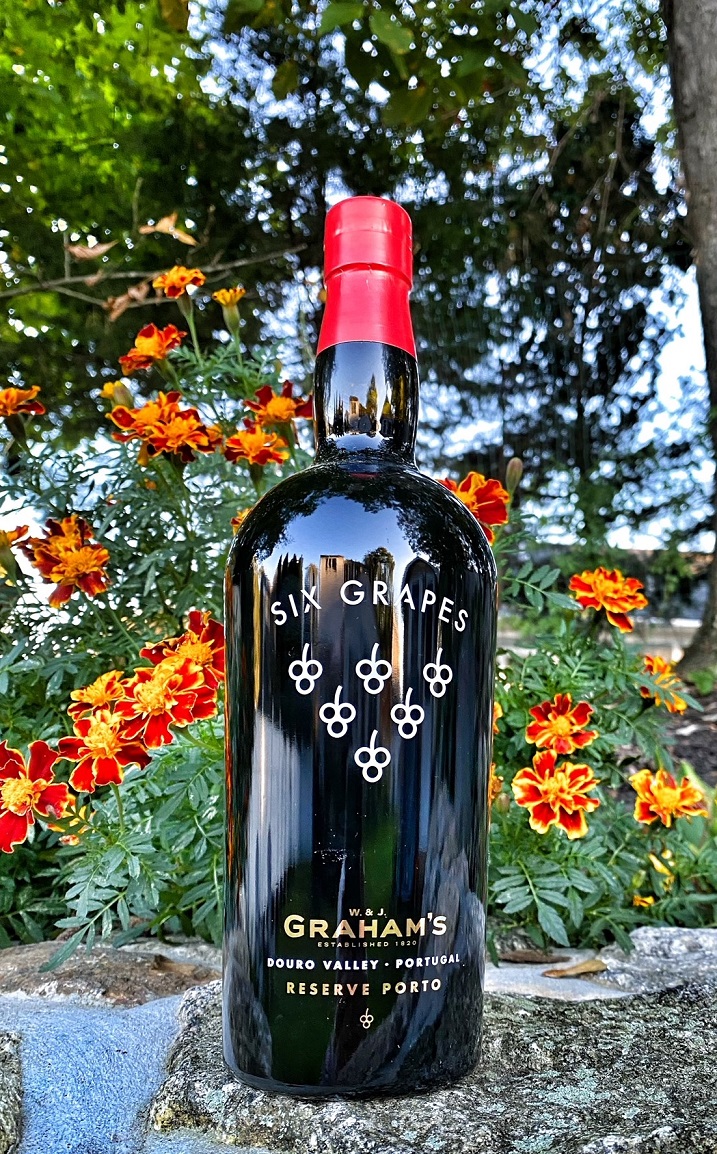
First, the Graham’s Six Grapes Reserve Port (20% ABV, $26, Touriga Nacional, Touriga Franca, Tinta Roriz, Tinta Barroca – with the addition of Tinta Amarella, Tinta Cão, Souzão, and Tinta Francisca from the mixed plantings). I had this port many times before but never paid attention to its story. It appears that in the old days, the grape symbols were used to represent the quality of wine in the individual barrels, from 1 to 6. Six grapes implied that the wine in the barrel had Vintage port potential, or effectively was of the highest quality. In the early 1900s, Graham’s started bottling such wines under its own “Six Grapes” label, and it continues to do so to this day.
This bottle had a recent redesign, now adorned with the red top, slick and beautiful. The Port was excellent – dark cherries and blackberries on the nose, blackberries, blueberries, and more of the dark cherries on the palate, with nice tannins in the finish. This wine ages in the oak barrels between one and two years, so the tannins overall are noticeable – and contrary to the general recommendation of chilling the Port slightly before serving, I don’t recommend it – the tannins on this wine become too pronounced and bitter. (Drinkability: 8).
Now, three more Ports from Dow’s, one of the original Symington holdings. The grapes for Dow’s Ports are harvested from some of the finest Quintas in Douro – Senhora da Ribeira and Bonfim, both supplying grapes for the Dow’s port for more than a century. Two of the Ports below are so-called Old Towny Ports, which means that the wines were undergoing a special wood aging regimen to reach their specific character. And another interesting tidbit – over the 10 years of aging, the Port barrel loses 25% of its original content. For the 20 years old Port, this number reaches 35% – while these Ports might seem to be pricey, you really need to appreciate the amount of labor and effort going into the creation of such a bottle.


Dow’s 10 Year Old Tawny Port (20% ABV, $39) – dry fruit and candy notes on the nose, a touch of mint. Hazelnuts and dried figs on the palate, good acidity, overall delicious (Drinkability: 8)
Dow’s 20 Year Old Tawny Port (20% ABV, $67) – Powerful and complex nose – dried herbs, dried fruit, present but not overpowering, inviting and seductive. On the palate, beautifully integrated, with perfect acidity, dried fruit harmoniously balanced and intertwined. (Drinkability: 8+).
And the last wine for you for today – Late Bottled Vintage Port. Late Bottled Vintage, or LBV for short, is a very special category of Port. You see, in Portugal, each and every type of wine should be approved to be released in its category by the IVDP, the regulatory body. If a company wants to declare a vintage year for a Port, it needs to request approval for that from IVDP. If such approval is not granted, the company can proceed with such a Port either in the path of the Old Tawny (the Ports we just discussed) or it might age it for some time and then declare it an LBV.
2016 Dow’s Late Bottled Vintage Port (20% ABV, $26, Touriga Franca, Touriga Nacional, Souzão, Tinta Barroca, Tinta Roriz, 4-6 years in seasoned oak before release) comes from a difficult vintage – warm winter, cold spring, one of the hottest and rainiest summers on record. Dry, sunny weather before harvest helped quite a bit, and the result was tasty and powerful Port – tart and sweet cherries on the nose, a hint of dried figs on the palate, cherries, good acidity, nicely present tannins on the finish. (Drinkability: 8).
Here you are, my friends. You can be honest with yourself – it is okay to enjoy well-made, sweet, but balanced, harmonious wines. And one way or the other, we all need our quiet moments. So get a bottle of Port, get comfy, and just enjoy your being. At least for a few moments.
Study of Port: Epilogue
What starts with prologue, should end with epilogue, right? What was supposed to be may be one or two posts, became a whole series. In case you missed any of the posts, here is a full list for the study of Port series:
Finally, let’s talk about Port!
What else can I tell you? We had a great week in Portugal. Very short conclusion can be “great people, great food, great wines, great scenery, great time”.
All people we came across were very nice and helpful. Language barrier was never an issue (I also have to mention that a lot of people speak very good English) – one way or the other we were always able to understand each other. Hotel, restaurants, port houses, stores, our numerous walking tours will only stay in memory with great people encounters.
The food? Very good quality, very reasonably priced. Memorable moments? Bacalhau, Francesinha, lots of fresh fish and shellfish of all kinds. Tuna fish spread is served in almost all restaurants with the bread (you need to ask for butter). Port is available at the buffet breakfast in the hotel, next to the orange juice. Below is the best representation for you (sorry if I make you hungry):
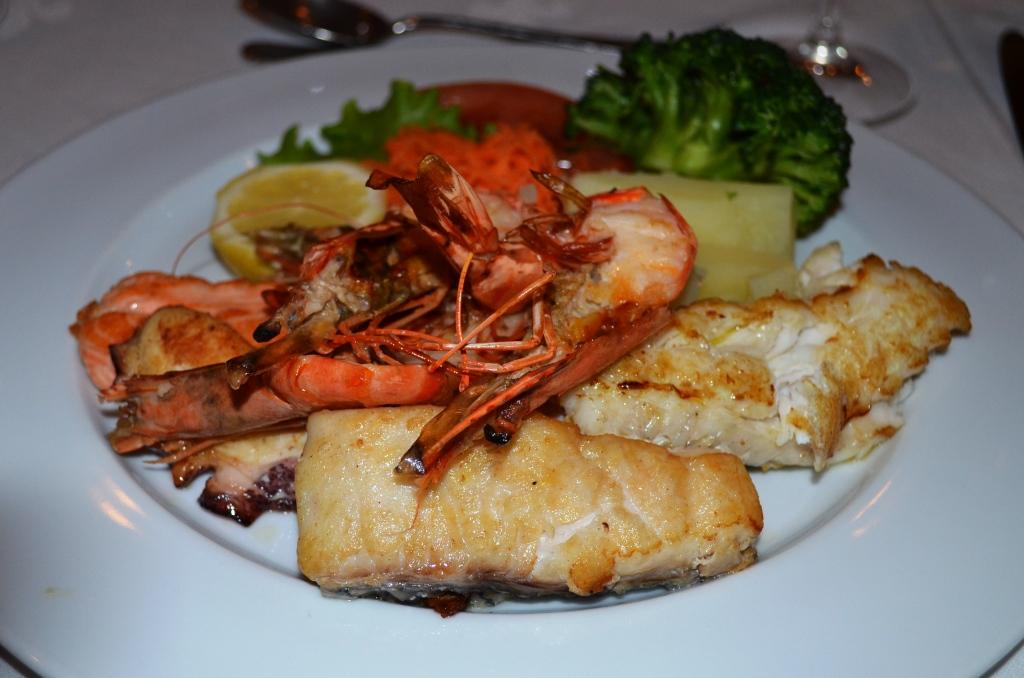
Portuguese Seafood
But probably the most important part about the food in Portugal is the fact that Portugal practically doesn’t import any agricultural products – everything is either produced, caught or raised locally, and you can taste it.
When it comes to wines, the story becomes interesting. First, there are about 80 grape varieties growing in Portugal, most of them are indigenous grapes. Here is a glimpse for you, as captured in the picture below:
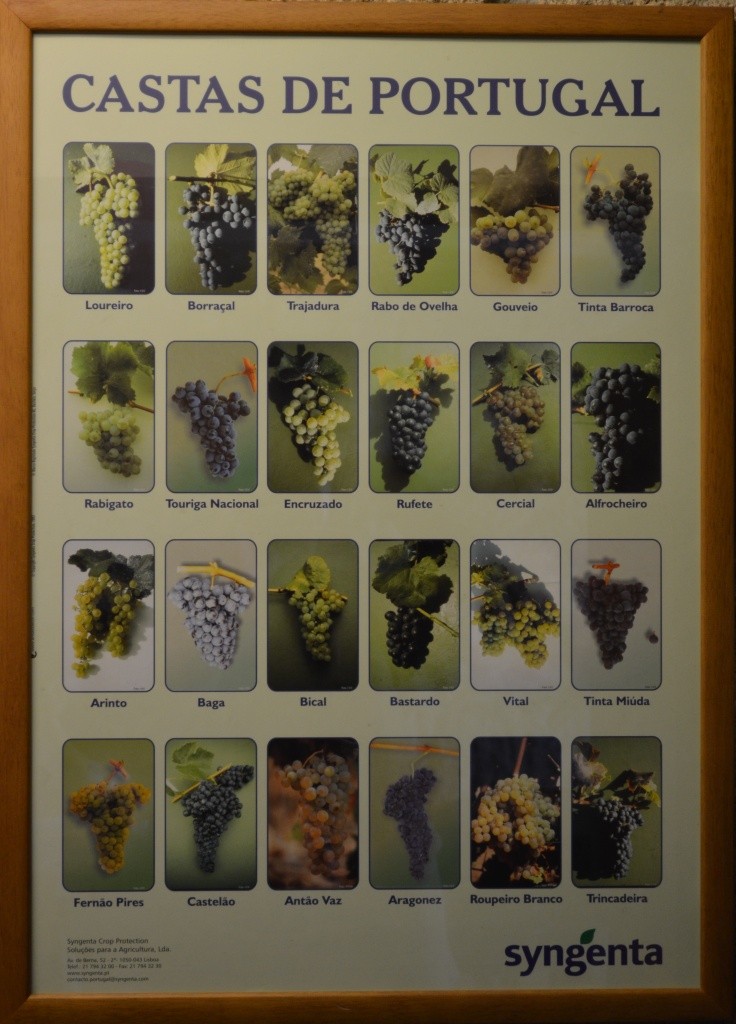
Portuguese Grape Varieties
By the way, these unique grapes are a great find for all aspiring Wine Centurions – I personally added 5 new grapes to my list – here they are:
Codega do Larinho – 2011 Castello D’Alba from Douro
Rabigato – 2011 Castello D’Alba from Douro
Moscatel Galego Branco – 2012 Portal Colheita Branco Douro DOC
Antão Vaz – 2010 Herdade Dos Grous Branco Vinho Regional Alentejano
Donzelinho – 2011 Niepoort Tiara Douro Branco
Outside of Port, very few of the Portuguese wines make it to US, and out of those few, there is even lesser number of wines of notice. Meanwhile, if you will make it to Portugal, you will be literally astonished by the availability of very inexpensive and absolutely delicious wines, both in the stores and in the restaurants. I already gave you my account of great wine encounters in the previous posts (Quinta do Cardo, Niepoort Tiara, Quevedo Vintage Port), but I actually saved the best for last – 2009 Casa Burmester Reserva Douro DOC (blend of Touriga Nacional, Touriga Franca and Tinto Roriz) was an absolute highlight of the red wines I tasted during the Porto trip.
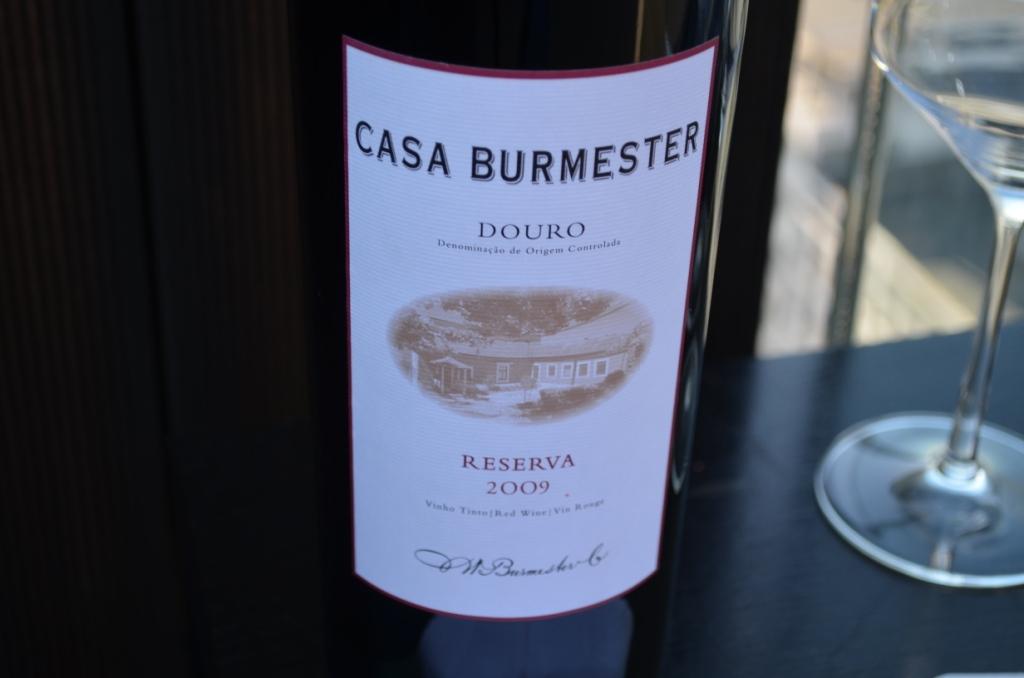
I don’t want to even describe this wine in terms of berries, chocolate, coffee, spices – it had everything, but the major thing about this wine was an absolute balance of fruit, structure, power, acidity, tannins – all the elements which make you go “wow” after the first sip where perfectly there. I can’t give you one to one analogy for the way this wine tasted, but to give you an idea of how impressed I was, I would safely put it in one line with 2000 Chateau Margaux, Vega Sicilia Unico and Vintage Krug Champagne. In case you are curious about my rating, this wine gets Drinkability: 9.
I believe I sufficiently inundated you with the pictures of the beautiful scenery, but let me still add a few more:
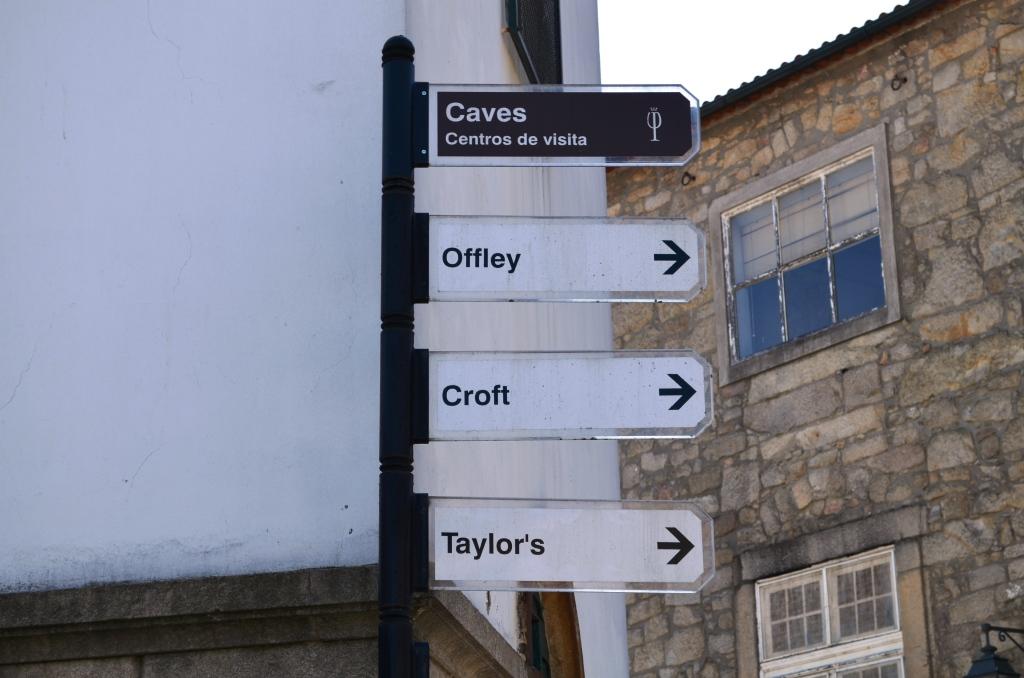
All roads lead to Port…
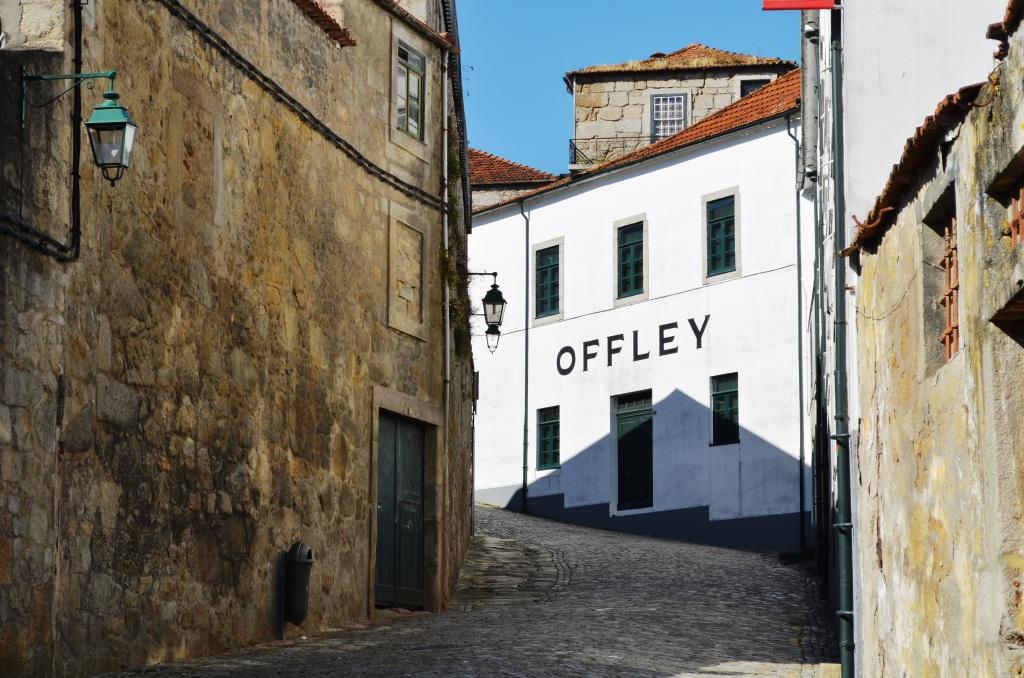
Awakening and Anticipation …
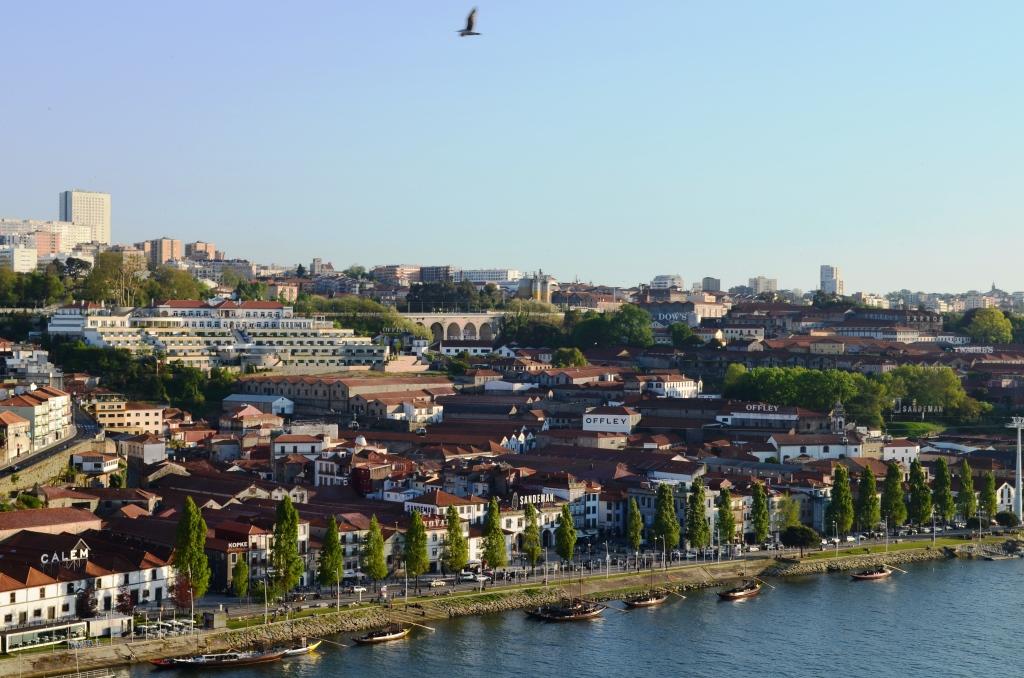
Vila Nova de Gaia
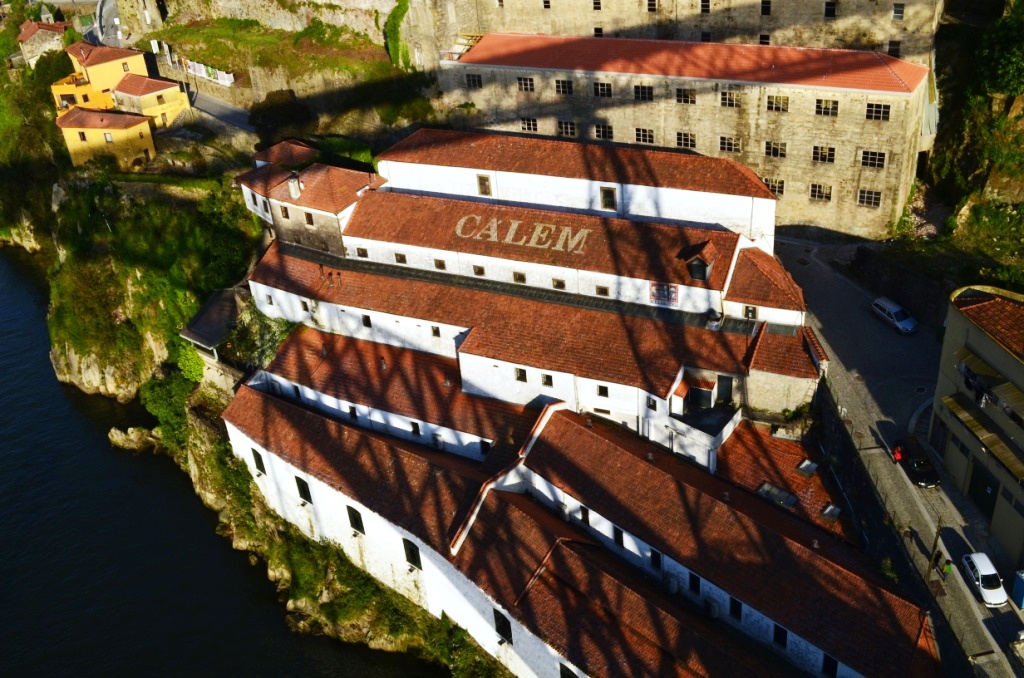
Port caves – view from above
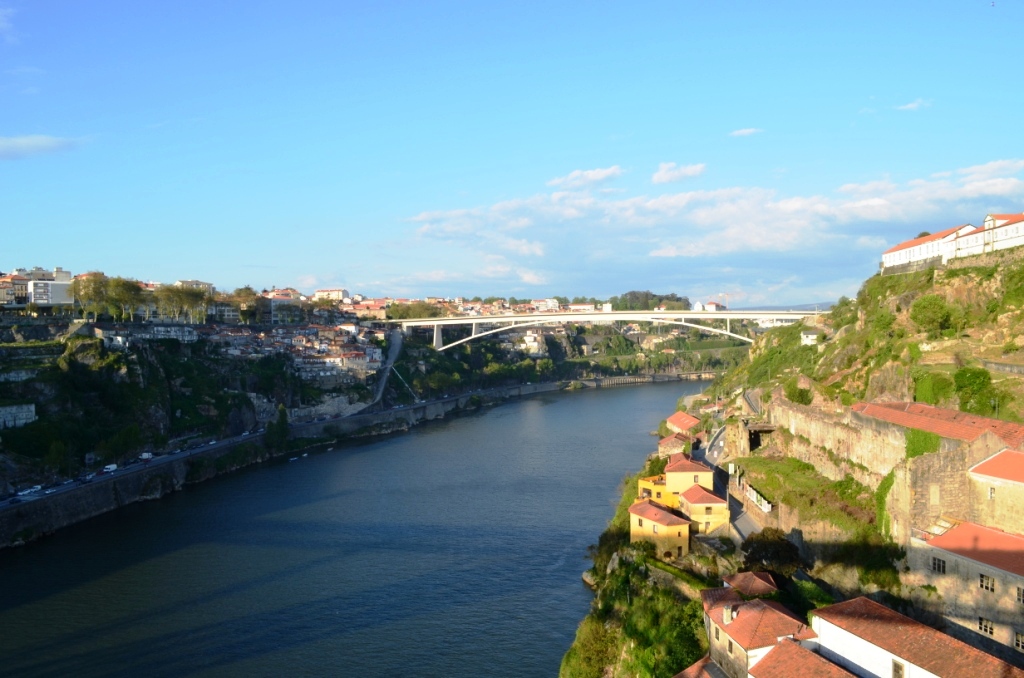
Douro River view
Time to finally conclude the series. I don’t know what you think, but I really enjoyed writing all these posts. I also saw a lot of happy comments, including those where people said that they will definitely go and visit Portugal (which will be very smart, if you ask me). If you will actually travel to Porto, I hope you will find some useful information here. And in any case, thanks for reading and cheers!
Study of Port: Finally, Let’s Talk About Port!
Finally, we’re arriving at the culmination point of our Study of Port cycle (here are the links to the previous four posts – post 1, post 2, post 3, and post 4). You probably noticed that while the cycle is called “study of port”, we talked very little about Port wines themselves.
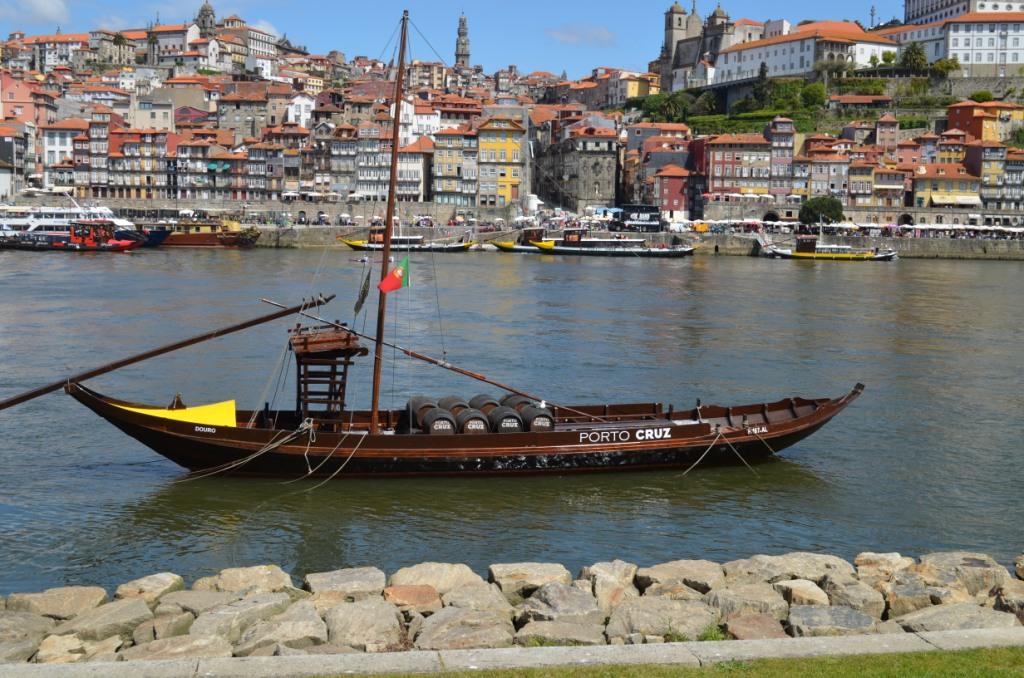
Port Transporter, called Rabelos, now only used to carry around the tourists
For me, Port is one of the most difficult subjects in wine (of course Burgundy classification and German wines are the crown jewels of “difficult wine subjects”). There are many different styles of wine, overall still collectively called Port. There are Ruby, Tawny, non-vintage, Vintage, Late Bottled Vintage, 10-, 20-, 30-, 40- years old ports, all available in the wide pricing range. On top of everything, Port is considered to be a dessert wine, and at a certain point in life, the brain just starts either outright protesting or at least behaving extremely cautiously around anything related to the word “sugar”.
Thus I was determined to use my Porto trip as a learning opportunity and do my best to acquire an understanding of the subject of Port directly from the source (I hope that clarifies the overall name of the theme chosen for this series of posts). Before I arrived in Porto, I sent out a few e-mails and twitter messages to the various Port houses, explaining that I’m a blogger and I would like to learn about Port and taste some of the older vintages. The only person who actually responded to me was Oscar Quevedo from the Quevedo Port house. After a bit of back and forth, we settled on the date and time.
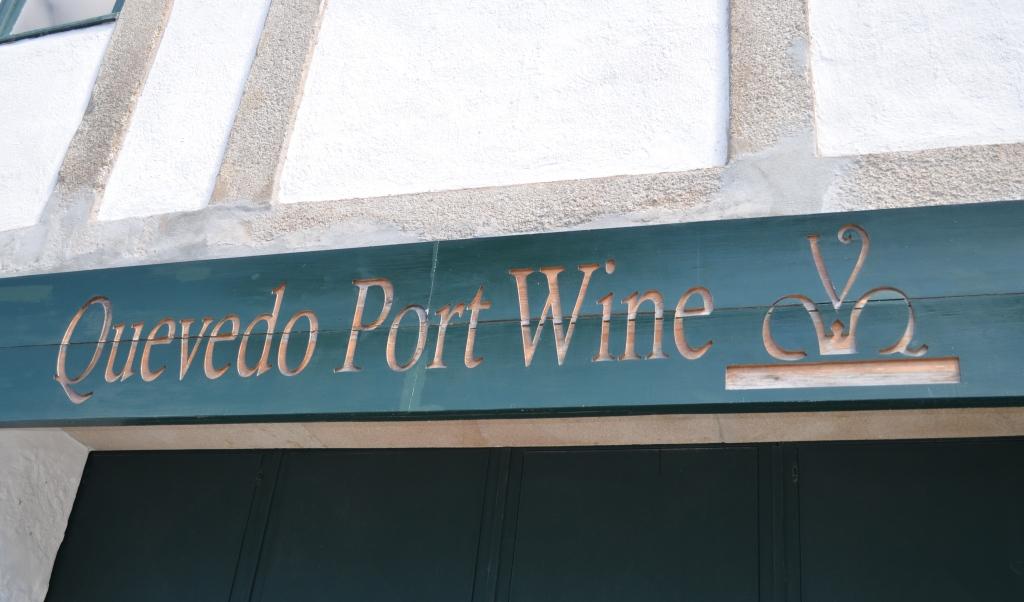
Once I arrived at the Quevedo Port house… Well, I will not inundate you with the long story, and the short story was that Oscar was not there (but he was very kind to stop by the hotel in the afternoon of the same day and undergo my very intense questioning for 30 minutes). Rachel and Manuel were “running the shop”, and while I was there at the Port house, I read a lot of useful information along the walls (I guess it can be called a self-guided tour), but that still didn’t answer all my questions (like why Vintage port should be consumed within 1 to 3 days from the opening of a bottle, and Late Bottled Vintage (LBV for short) does not. I started asking Rachel and Manuel all of my questions, and I think I drove them both a bit insane – I have to thank them both for their patience with me, especially Rachel, as she really did her best trying to figure out all the differences and details together with me.
I also tried young vintage port, 2010 Quevedo Vintage Port – and it made me happy.
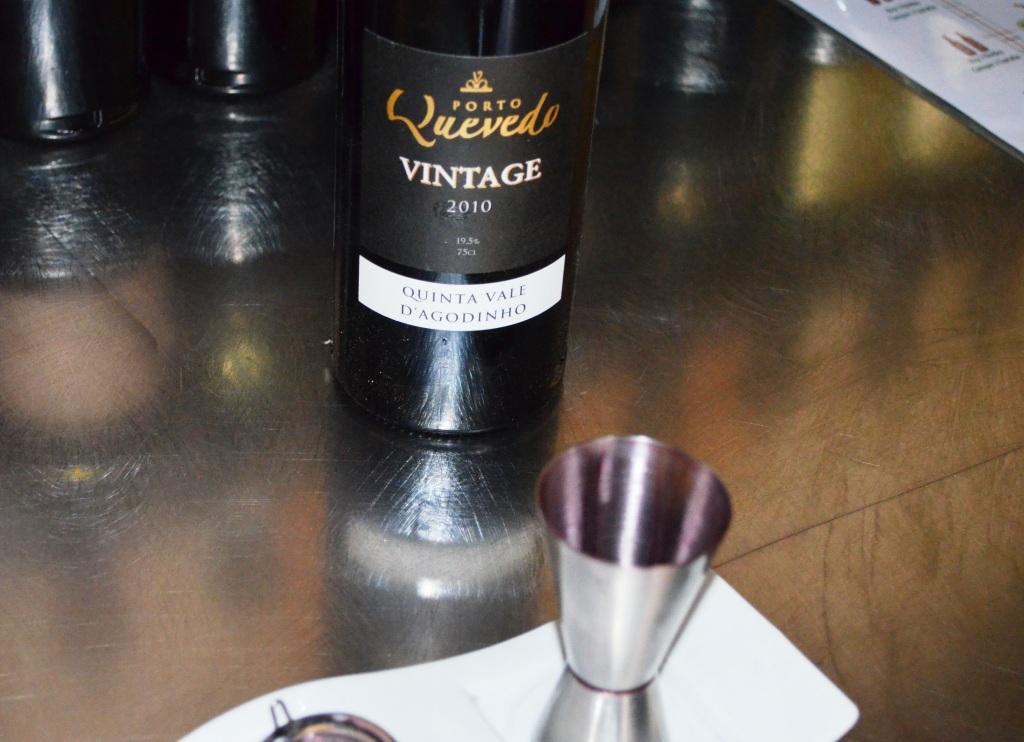
The vintage port is supposed to be filtered when it is poured into the glass, which was performed using the jigger and special metal mesh filter.
Every aspect of this wine was simply exciting. The color – I don’t know if the picture truly conveys the color, but it was deeply concentrated dark ruby red. The nose – ahh, all the fresh berries you can imagine, … And the palate – texturally present, dense, heavy, lots of fresh fruit. Yes, the was sweetness there, but oh so balanced with acidity, tannins, and overall power. So far I was refraining from rating the wines in this series of posts, but this wine was definitely a 9 and I’m sure it will be a part of my “2013 top dozen”.
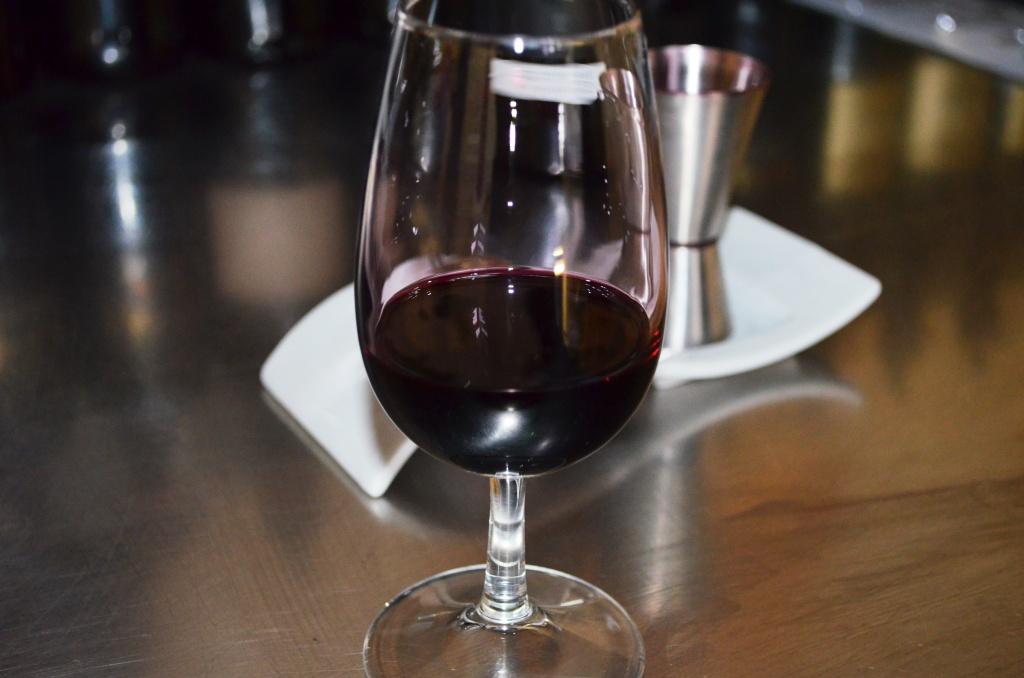
When I met with Oscar in the afternoon, I used the opportunity to bombard him with questions in my effort to understand the wine called Port. And now I want to share my newly found understanding with you, so for what it is worth, below is my attempt to dissect and summarize the world of Port.
First, here are some interesting facts about Port.
- As with any other wine, the truth is in the eye of the beholder – and in our case, the “beholder” will be a winemaker. Effectively, the winemaker knows his vineyards, and the winemaker knows what vines are capable of producing specific kinds of ports – Tawny, Ruby, Vintage, non-vintage, and so on. But when it comes to Port, that winemaker’s knowledge is also verified before it can be put in the bottle and on the label – by the governing organization called IVDP.
- Instituto dos Vinhos do Douro e Porto, or IVDP for short, is a top authority regulating the production of all Port wines. When the winemaker wants to declare a vintage, the sample is sent to IVDP, where it is assessed ( in the blind format) for all the quality of the vintage port, starting from the color, and then vintage designation is either granted or declined. According to Oscar, IVDP knows everything about each and every port producer – how much of what kind of port is in the barrels, how many bottles were sold, how many bottles are still remaining with the Port house, and so on – IVDP owns and processes all the information related to the production of Port.
- Less than 1% percent of the total port production is designated as Vintage port.
- Most of the red port wines are made out of Touriga Nacional, Touriga Franca, Tinta Roriz, Tinta Barroca, Tinta Francisca and Tinta Cão grapes.
- Port is typically fermented for 3-5 days, after which fermentation is stopped with the addition of neutral spirit (grape brandy). The addition of the spirit is also a reason behind the port’s classification as “fortified wine”. The resulting port wine usually has ABV in the 18% – 21% range.
- Treading, the process of pressing grapes with the feet, is still in use today, but by a very small number of producers and only for the very special wines. The pressing by the feet creates just the right amount of pressure which doesn’t break the seeds – which helps to reduce the bitterness of the wine.
- The Vintage Port is the only port that continues aging in the bottle. Vintage port should be treated as regular wine in terms of handling and storage, and consumed 24-72 hours after the opening of the bottle.
- New oak barrels are never used in the production of the port. The barrels have to be used a few times for producing the regular wines, only then do they become suitable for the production of the Port.
Now, let’s look at the classification of the Port wines. As you know, I like using mind maps, so here is Port’s classification in the form of the mind map:
Port classification
Now let’s add some details:
- Rose Port
- the latest addition to the world of Port had been produced only for a few years. Very short contact with the skin after pressing. Personal note – I tried a few and had not been impressed so far.
- White Port
- 3 years aging in stainless steel or neutral oak, then blended, filtered, and bottled. It will not age in the bottle and is ready to be consumed when you bought it. After a bottle is opened, it should be stored in the fridge and consumed relatively quickly. Personal note – the white port from Sandeman was an eye-opening experience – you should really try it.
- Tawny – ages in the small oak barrels with controlled oxidation. All ports in this group don’t age in the bottle and are ready to drink when you buy them. Also, all ports will last for many weeks after the bottle is opened.
- Single Vintage
- Colheita
- Grapes from the single vintage. At least 7 years of aging in the oak barrel (can be longer), then blended, filtered, and bottled.
- Colheita
- Blend of vintages
- Tawny
- 4 years in oak barrel, blended, filtered, bottled
- Tawny Reserve
- 8 years in oak barrel, blended, filtered, bottled
- Age-designated Tawny
- 10 years old, 20 years old, 30 years old, 40 years old – all of these ports are blends of ports of various ages. The blend is composed by winemaker’s discretion – for instance, a 40 years old can be a blend of 30 years old and 100 years old.
- Tawny More Than 40 years old (not an allowed designation in the US)
- Tawny
- Single Vintage
- Ruby
- Ruby
- 3 years of aging in the stainless steel/neutral oak, then blended, filtered, and bottled. After opening, the bottle should be consumed within a few days, and best to be refrigerated.
- Ruby Reserve
- 6 years of aging in the stainless steel/neutral oak, then blended, filtered, and bottled. After opening, the bottle should be consumed within a few days, and best to be refrigerated.
- Vintage
- about 2 years in stainless steel, can be some time in oak barrels, bottled unfiltered, continue aging in the bottle. After opening, consume within 24-48 hours.
- Late Bottled Vintage (LBV)
- 4 – 6 years in the oak barrel (I’m sure about the age, not sure about oak barrel versus stainless steel)
- Single Quinta Vintage
- Somewhat complicated. It designates that grapes are coming from a single vineyard, but age/blending/bottling, etc. is not very clear. But for all intents and purposes, should be treated as a Vintage port.
- Ruby
I think I told you everything I know at the moment about Port – but I will keep adding and refining to this post just to make sure I got it all correctly. Before we part, here are a couple of pictures for you:
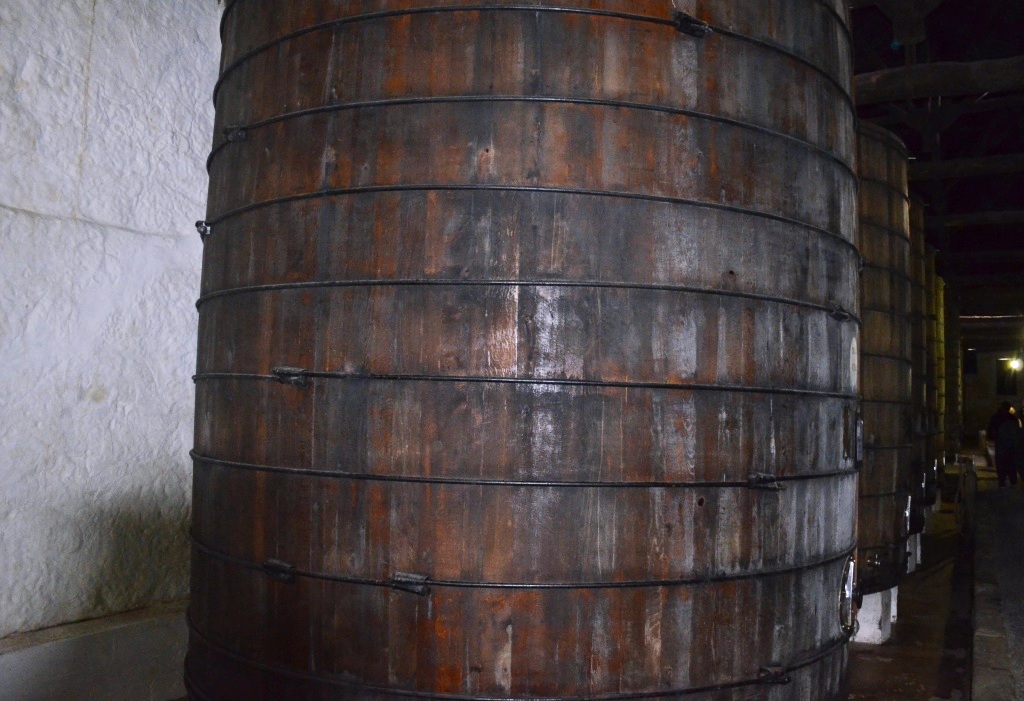
Ruby and White Port age in this huge barrels. One barrel holds 80,000 liters (about 20,000 gallons)
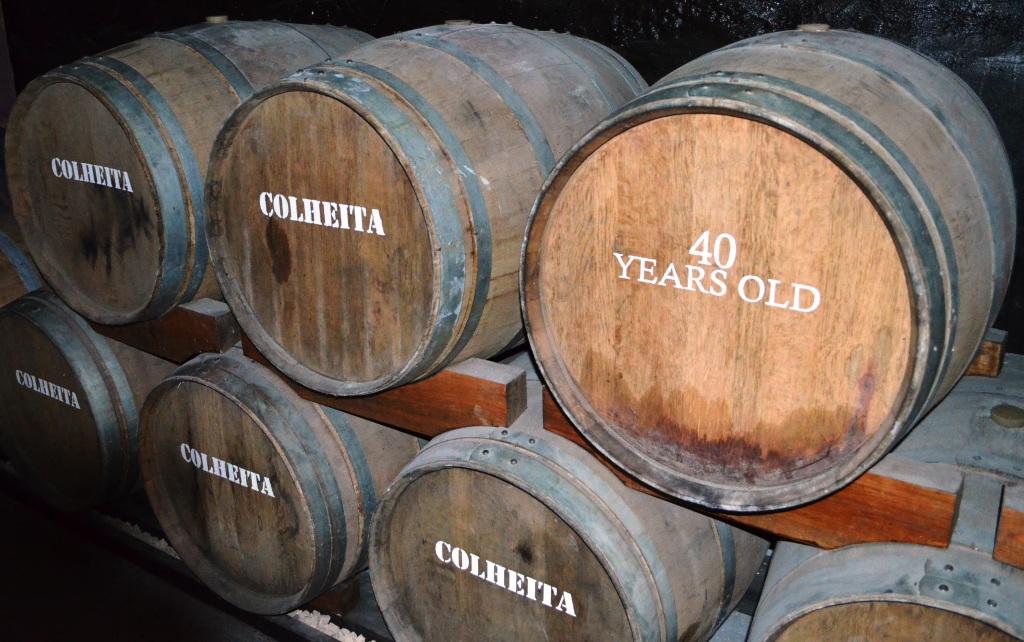
Tawny port ages in the small oak barrels

Do you remember where the cork tree grows? Yes, in Portugal!
That’s all I have for you, folks. Comments and corrections are most welcome. Cheers!
Study of Port: Prologue
I have to break the tradition today – there will be no wine quiz for you to solve. Instead, I’m going to share the experience with you.
As you know, my day time work had nothing to do with wine. But – because of that work, I’m spending this week, in Portugal – hence the title of this blog post. I’m not just in Portugal, I’m actually in the city called Porto – and this is where the Port was born. Over the next few days, I plan to learn as much as I can about Port – and share that with you. But, considering that I’m still jet-lagged, there is not much I can share at the moment – besides a few pictures. Rest assured – more pictures and notes are coming soon!
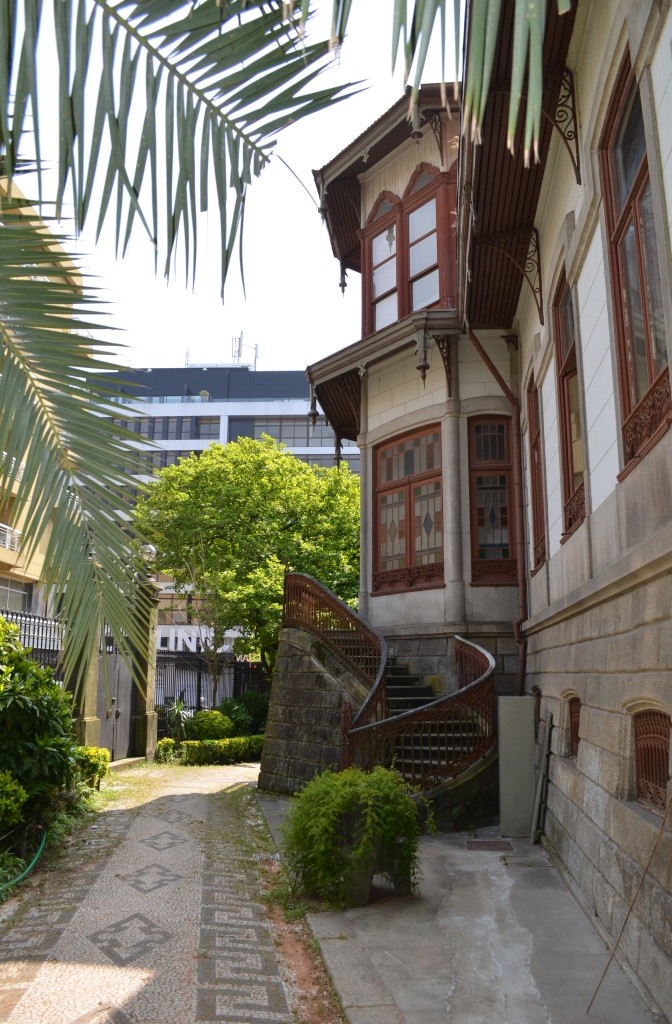
I have no idea what house is this, but I like it
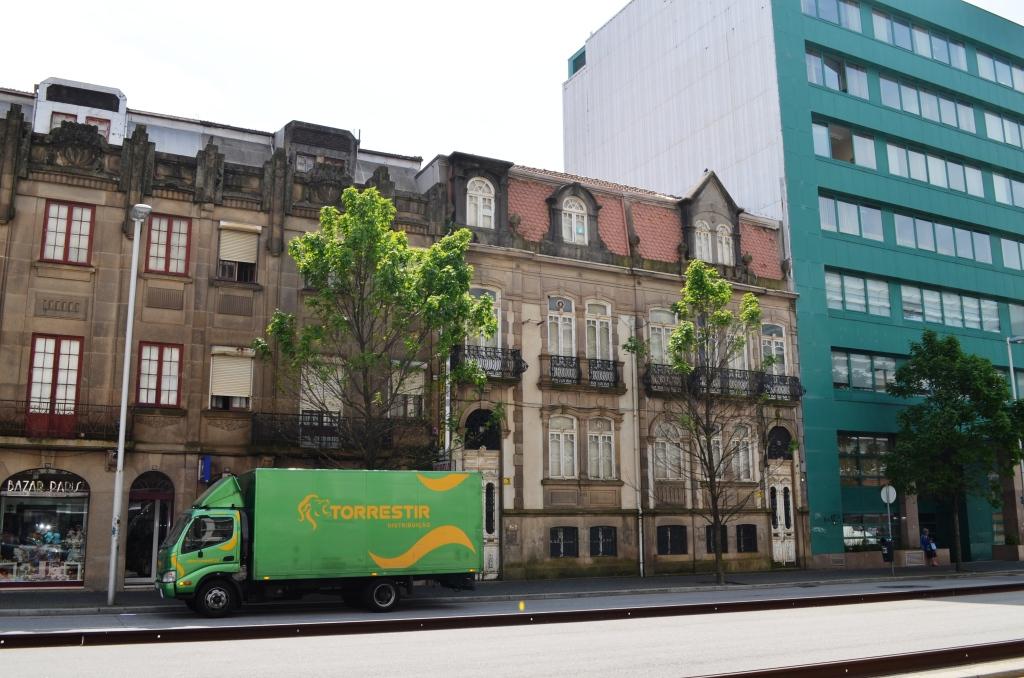
Love the combination of old and new – only in Europe…
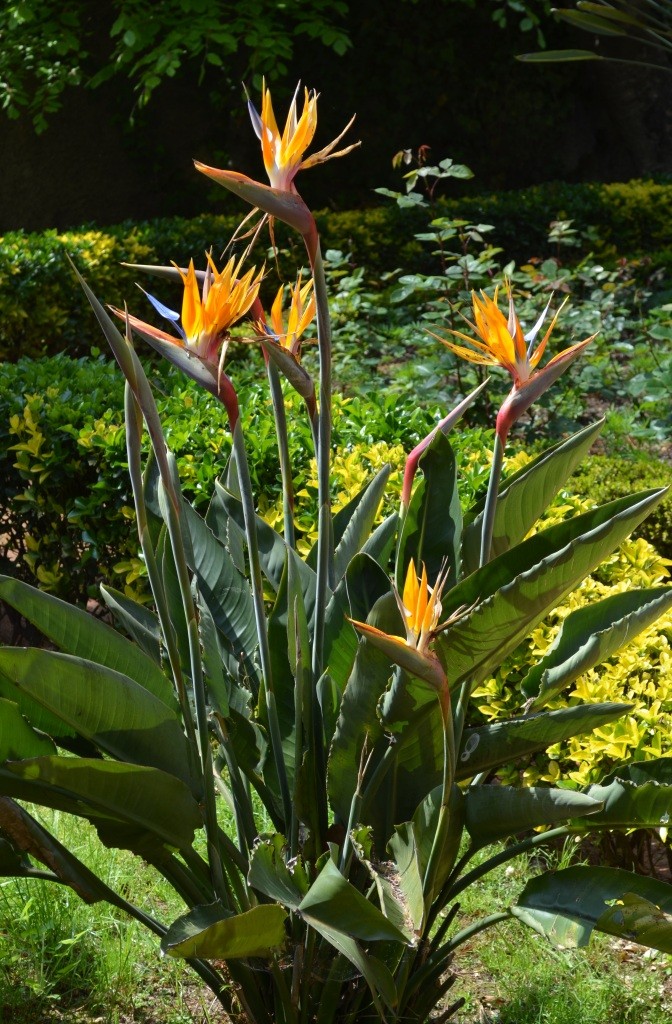
I’m sure you knew that I will not leave you without flowers

and more flowers

and more flowers…
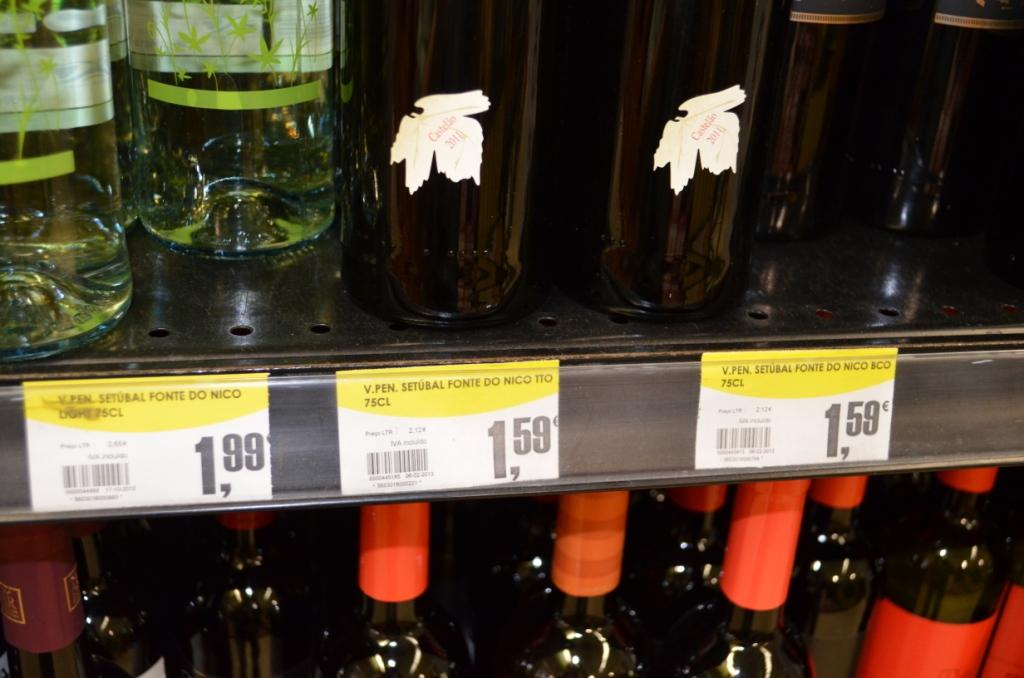
When was the last time you saw $2/bottle wines?
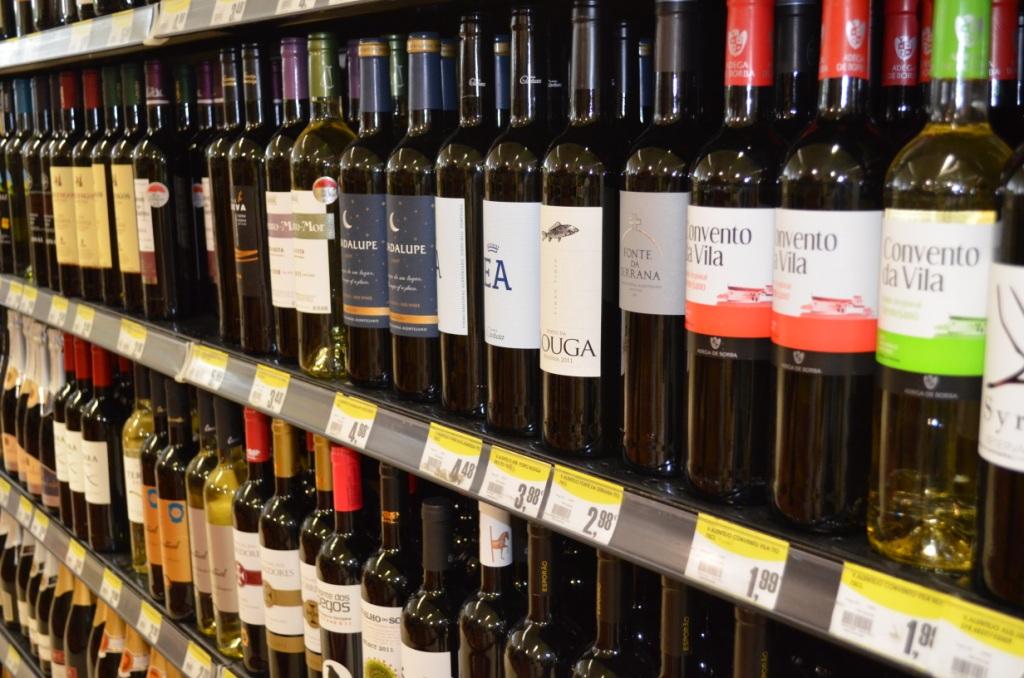
Actually, a lot of very inexpensive wine
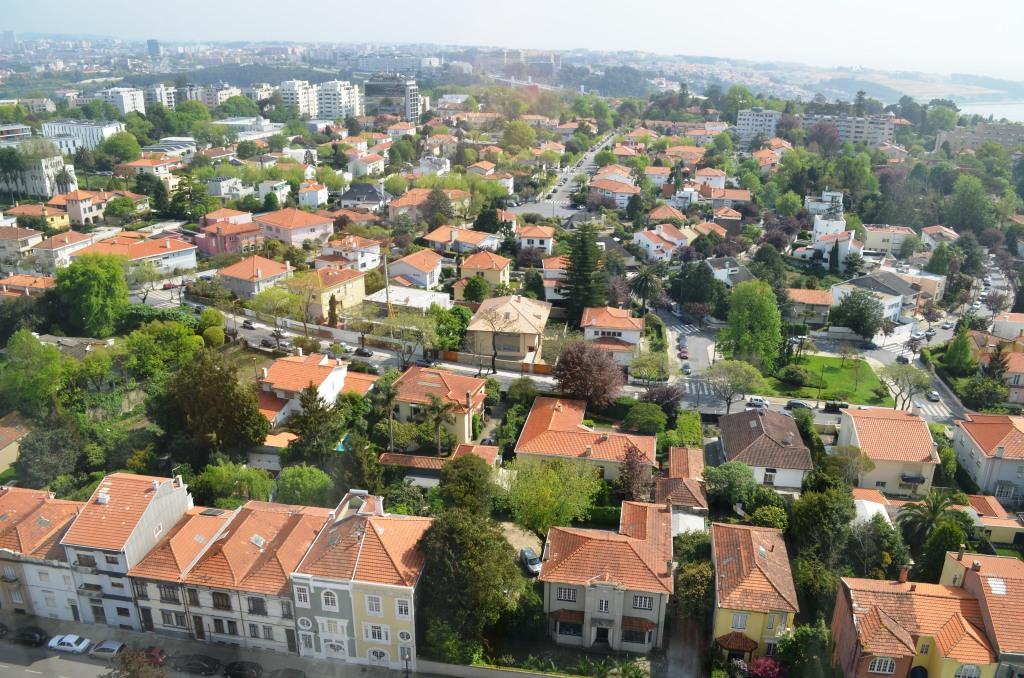
yes, I’m a sucker for the red roofs… Never can get enough of them…
That’s all I have for you for today, folks. Don’t worry – the wine quizzes will be back, just after we will talk a bit about Port. Cheers!
Wednesday’s Meritage – Wine Quiz Answer, [Super] Wine List, and Blogs, Blogs, Blogs…
 Surely these Italian wines will get you talking!
It’s Meritage Time!
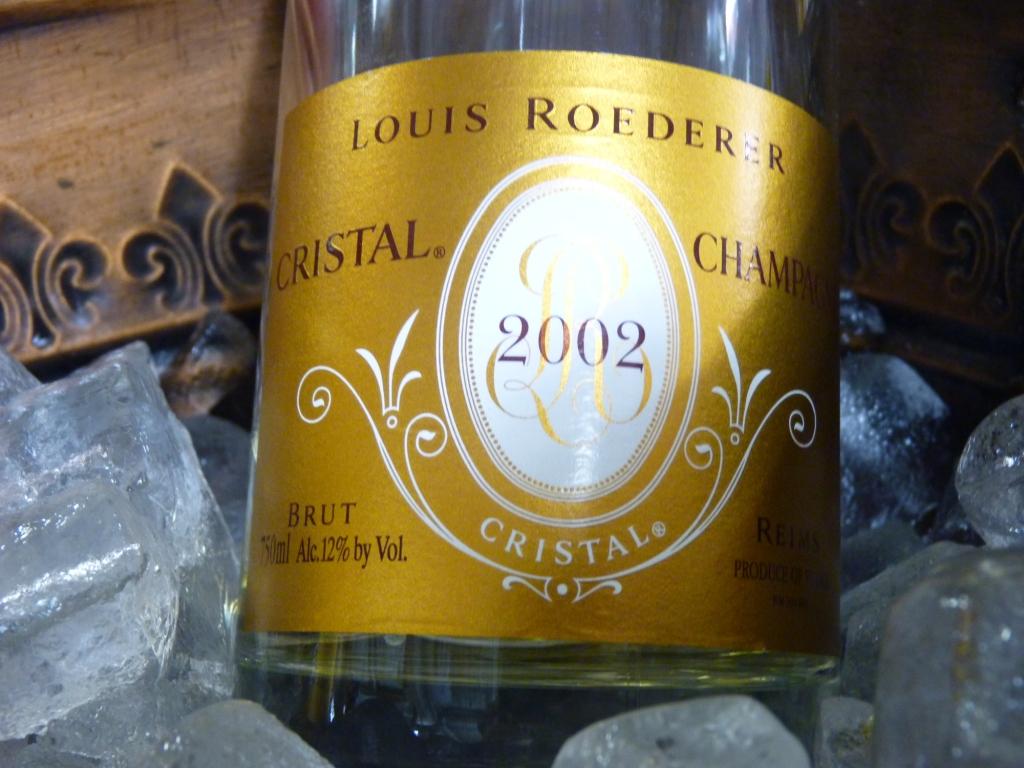 First things first – the answer for the Wine Quiz #24 – Bottles Big, Bottles Small. The list in the quiz actually included names of the wine bottles of the different sizes, only slightly mixed up between the different regions. While some of the bottle names are the same between Champagne and Bordeaux, some of the names are unique and are used only in one region, and not in both. The question was to find “one which doesn’t belong”. While Piccolo (187 ml, or one quarter of a bottle) and Methuselah (6L, equal to 8 bottles) are uniquely used in Champagne, it is Imperial ( also 6L, or 8 bottles) which is one and uniquely Bordeaux, thus the right answer for the wine quiz is “Imperial”. Whomever marked “Imperial” as the right answer, please pat yourself on the back – you got all the bragging rights for the right answer for the wine quiz #24. In case you are curious about all the bottles sizes and their names, here is a Wikipedia link for you.
Now let’s talk about interesting “news and such” I came across during the last few days.
There was (yes, unfortunately “was”, not “is”) a restaurant in Spain, called El Bulli – literally the best restaurant in the world, by the famous chef Ferran Adrià (also one of the best in the world). The restaurant closed last summer, and now, as I learned from Dr. Vino’s blog post, about 10,000 bottles from El Bulli’s wine cellar will be auctioned at Sotheby’s in the near future. Dr. Vino’s blog post lists also a link to the El Bulli’s wine list, but for some reason it didn’t seem to work for me. However – in case you want to see the wine list – here it is, 139 pages of goodness… Drooling is acceptable.
Wine Bloggers Conference, a.k.a. WBC2012, is opening in Portland, Oregon in two days. At that conference, winners of the Wine Blog Awards will be announced. It seems that the subject of the awards is heated up considerably with various bloggers expressing their last minute opinions. You can reserch the subject on your own, but here is the opinion of Joe Roberts (1WineDude) – I recommend checking out the blogs he is referring to – they look quite interesting.
Last, but not least, a few interesting posts from The Passionate Foodie blog. First, here is a advanced notice of the upcoming great food holiday – October is a National Cheese Month! Cheese is definitely one of my favorite (if not The Favorite) foods, and knowing that in October I will have an additional reason to eat it, makes me happy. Also, as The Passionate Foodie writes from Boston, he mentioned that The Cheese Shop of Concord will be celebrating its 45th anniversary on October 6th, by offering a number of cheeses at 1967 prices – if you are into cheese, you still have time to find a good reason to be in Concord, MA on that date (I don’t think I need a reason – I plan to be there).
Also in the same The Passionate Foodie blog, you can find a series of posts about Port, one of the [wrongly] under-appreciated but amazing wines – here are the links for Part 1, Part 2 and Part 3 for you – well worth your time, I think.
That’s all I have for today’s Meritage. Don’t forget – it is always [Wine] [Whisky] Wednesday – pour something good into your glass. Cheers!
Weekly Wine Quiz #18: Wine and Independence Day
 While last week’s quiz was definitely influenced by the hot weather, I want to still have one more quiz related to the history of wines, just to finish my imagined series. It also will be very appropriate, as in a few days we will be celebrating Independence Day here in US.
Imagine it is July 4th, 1776. Declaration of Independence is presented and voted for at the meeting of Continental Congress representing 13 colonies, signifying independence from the Great Britain. The room is cheering, and the glasses are poured for celebratory drink. Do you know what exactly was poured in those glasses?
Have fun! Cheers!
Last Bottle Sign Up ($10 credit)




 Talk-A-Vino