Archive
Weekend Wine Happenings
This past weekend was filled with different wine events, which I want to share with you. First and foremost – arrival of the No Girls wine. No Girls wine is made by Christophe Baron, the wine maker behind Cayuse – one of the cult wineries from Washington state. What is so special? No Girls wine is available only through the mailing list. If you ever dealt with winery mailing lists you probably know that before you get on the mailing list, first you spend time on the waiting list for the mailing list. It took more than two years for me to move from waiting list to mailing list with Turley, makers of the great Zinfandels. I think for more than 3 years I’m still on the waiting list for Alban, Cayuse and Carlisle. With No Girls wine, despite the fact that I signed up literally on the same day as the offer came in, initially I got an e-mail that I didn’t make the mailing list, with the follow up e-mail in a couple of month saying that I got an allocation.
Hence the excitement and anticipation associated with arrival of No Girls wine – 2008 Grenache and Syrah from La Paciencia vineyard in Walla Walla. I can’t tell you anything about the wine itself – I plan to give it some time first. However, even packaging alone can make you excited – and to explain what I mean, here are few pictures for you.

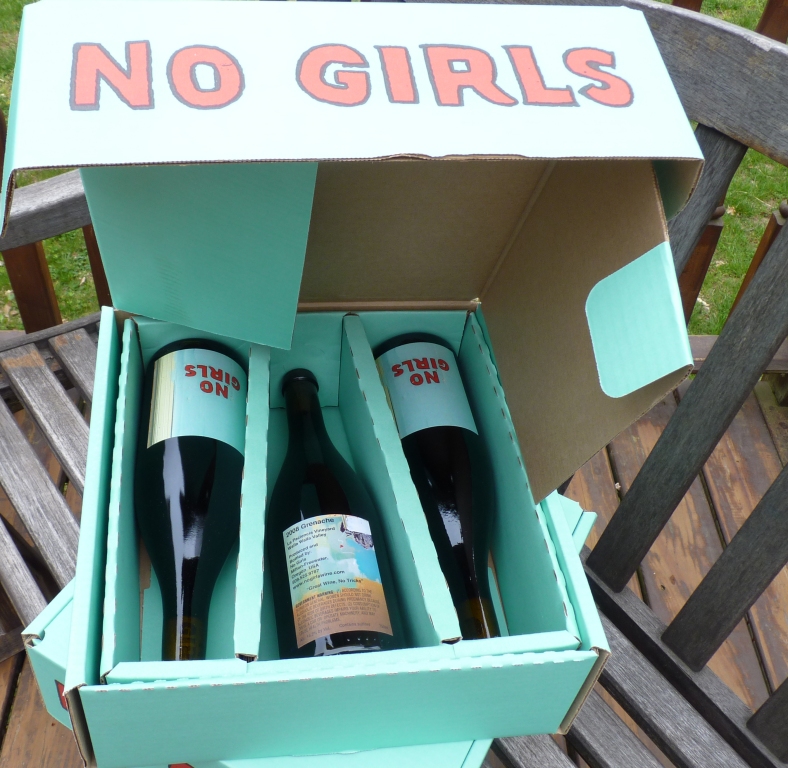

Very bright and clever – what do you think?
Now, on the subject of the wines I actually tasted over this weekend, there were few I wanted to talk about.
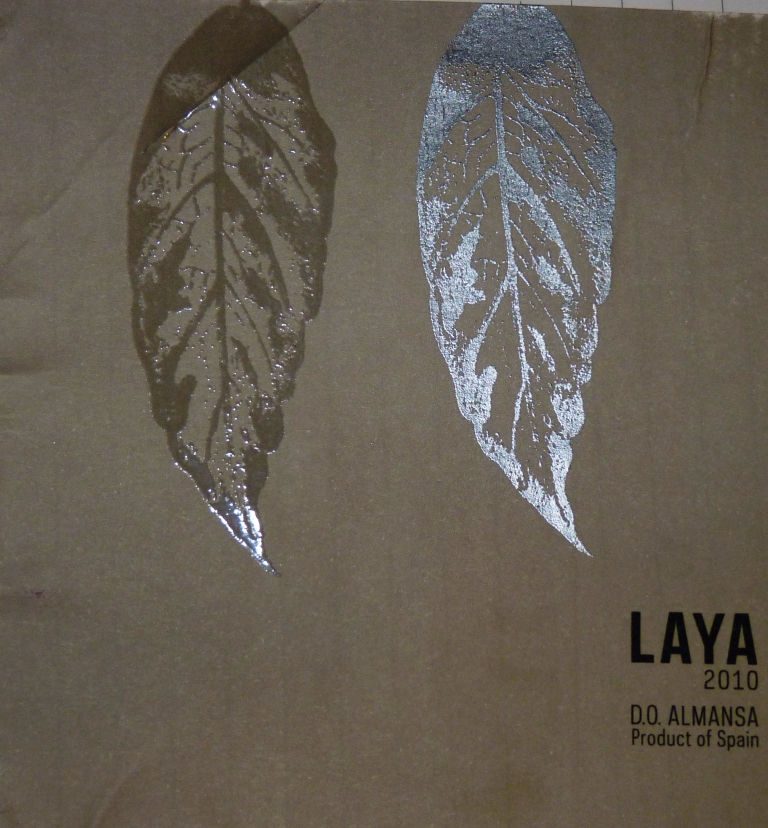
First one is a Spanish wine 2010 Laya D.O. Almansa (14.5% ABV). This wine is a blend of Garnacha (70%) and Monstrell (30%). When you open the bottle and take a first sip, it comes out very grapey and young. It took this wine 3 days to develop a nice undertone of richness, with some ripe red fruit, a touch of spices and smokiness. Considering the price ($7.99) this is a great everyday wine (Drinkability: 7+).
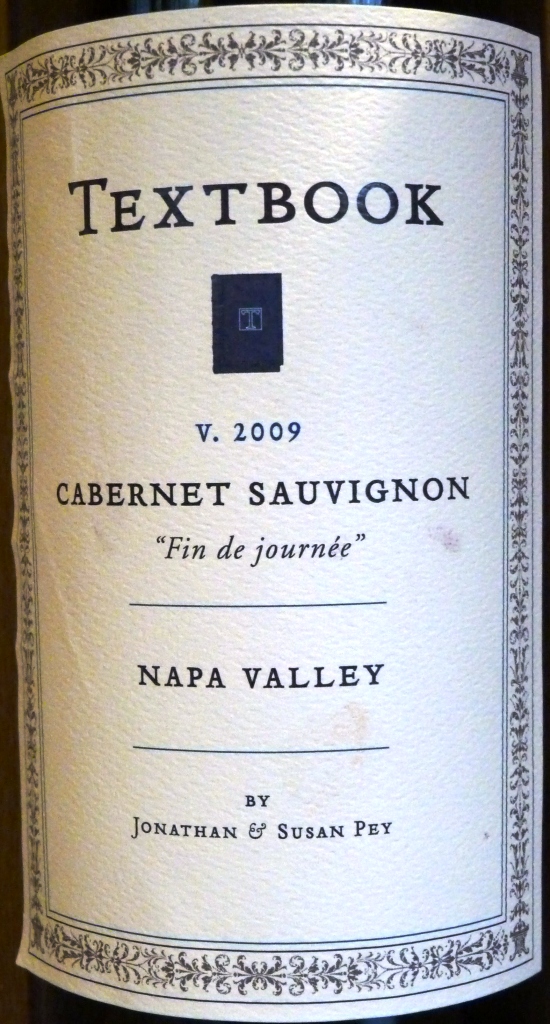 Next one is a 2009 Textbook Cabernet Sauvignon Fin de journee Napa Valley (14.5% ABV). I had this wine for a few months, waiting for the right moment to try it and building up expectations – somehow the name “Textbook” caused a lot of warm expectations, especially with the back label promising a “textbook Napa Cabernet”. The wine had a nice nose of the dense black fruit, not too jammy, but present. On the palate, the fruit grew together with nice tannins and silky texture, only to somehow stop short of delivering the “oompf”. Almost like watching the golf ball slowly rolling after the putt “almost, almost, almost, ahh”. Signature black currant was almost there, but didn’t really show up in its clean beauty. Don’t get me wrong – for a $20 Napa Cab, this was a good wine, but it had to battle my inflated expectations… and lost. Drinkability: 7+.
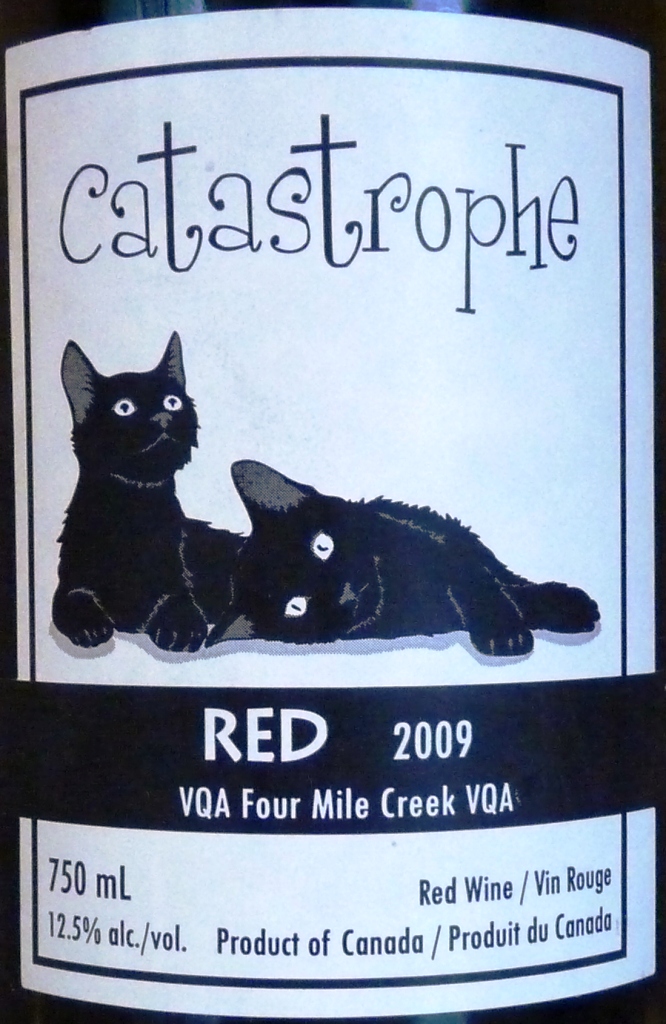
Last but not least was 2009 Catastrophe Red Cattail Creek Estate Winery, Four Mile Creek VQA, Canada (12.5% ABV). We brought this wine back from Canada after the last year’s trip. It is a blend of Gamay Noir, Merlot and Cabernet. On the nose, it has a bright red fruit. On the palate, there is more red fruit, such as sour cherries, hint of earthiness, good clean acidity, very balanced. Medium body and very easy to drink. This wine also would be a great food wine – too bad, I only brought one bottle back. Drinkability: 8-.
That’s all folks. Don’t forget that April 25th is a Wine Blogging Wednesday, with the theme “Barossa Bumerang” – find a bottle of Barossa wine from Australia, enjoy it, and write a blog post or at least leave a comment here. Have a great week! Cheers!
Wine Experiences, From Canadian Riesling to Cult Californian and Beyond
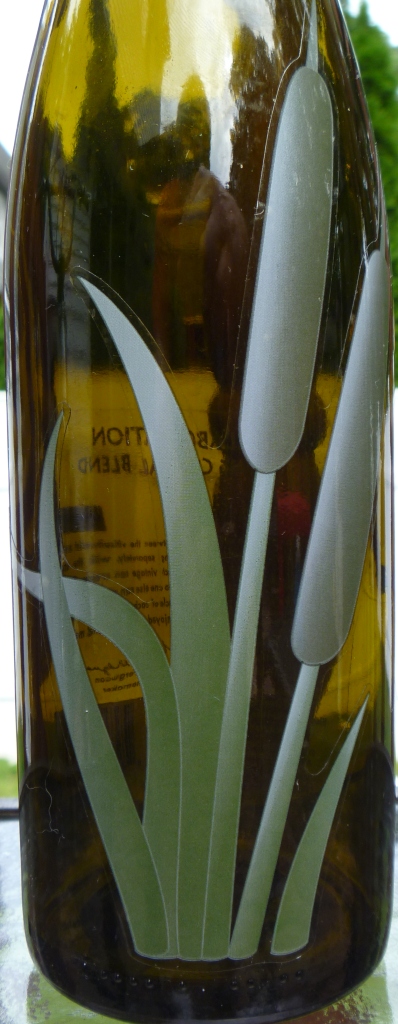 Delaying, delaying, delaying. I have so many experiences and moments to share – and literally, the whole of September had been a dread. This September will have the least number of posts since I started to regularly write this blog. Oh well. It’s been a busy month, at work and outside, so hopefully October will be more fruitful in terms of wine (and life) writing.
Let me just sum up some of my recent experiences. One of the very first things I want to mention is a substantial advance in the “grape count” – adding 11 new grapes (reaching a total of 351) – well, yes, some of them clones. The Clonal Project Riesling from Cattail Creek winery in Canada brings in 4 different Riesling clones. It was also possible to taste those clones individually, but at about $100 for the set, it was an expensive proposition. However, this Clonal Riesling, a blend of four clones was outright delicious, with a great harmony of fruit, earthiness and acidity – it was a great wine. Here is the list of all the new grapes:
Riesling Clone 239, Riesling Clone 49, Riesling Clone 21 Young Vines, Riesling Clone 21 Old Vines – 2009 Riesling Clonal Blend, VQA Four Mile Creek, Canada
Zibibbo – Donnafugata Ben Rye, Passito di Pantelleria DOC
Pignolo – 2007 Bastianich Callabrone Rosso, Friuli DOC
Schioppettino – 2007 Bastianich Callabrone Rosso, Friuli DOC
Vranac – Rubin Vranac, Serbia
Mavrotragano – 2006 Atlantis Red, Santorini, Greece
Carignan Blanc – 2009 Pico’VDP de l’Herault Blanc
Trepat Blanc – 2007 Blanc de Montsalvat, Priorat DOC
Have to honestly tell you that all these wines were very good, each having it’s own personality and very pleasant to drink. I’m also very glad to add Pignolo and Schioppettino grapes, as those two are part of the main table in the Wine Century club application – may be one day it will be complete!
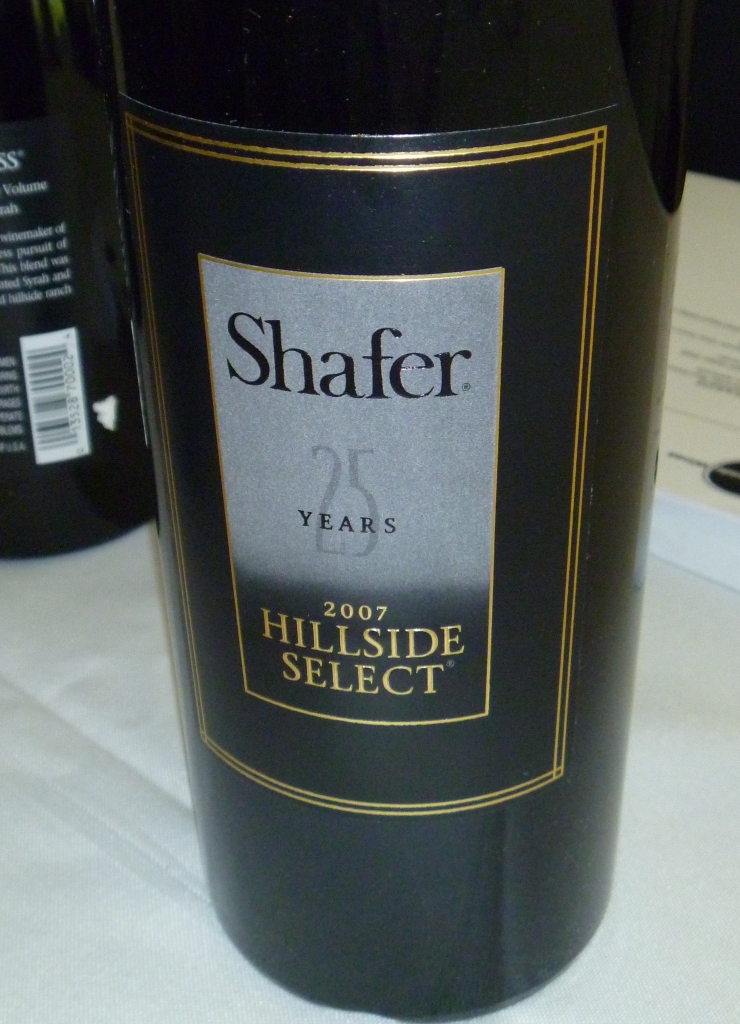
During September I was lucky enough to attend two trade wine tastings. One word to describe the experience is – “overwhelming”. I can’t do a fair representation of all the great wines we tried – Paul Hobbs, Shafer Hillside, Honig, Evening Land, Bussia Barolo, Archery Summit, Blankiet Estate, Palmaz, … – the list can go on and on (just to give you an idea, there were about 1400 wines in the first tasting, and about 700 wines in the second – of course nobody tried all those wines, but you understand the size). Here are some of the highlights, in pictures:
Paul Hobbs wines:
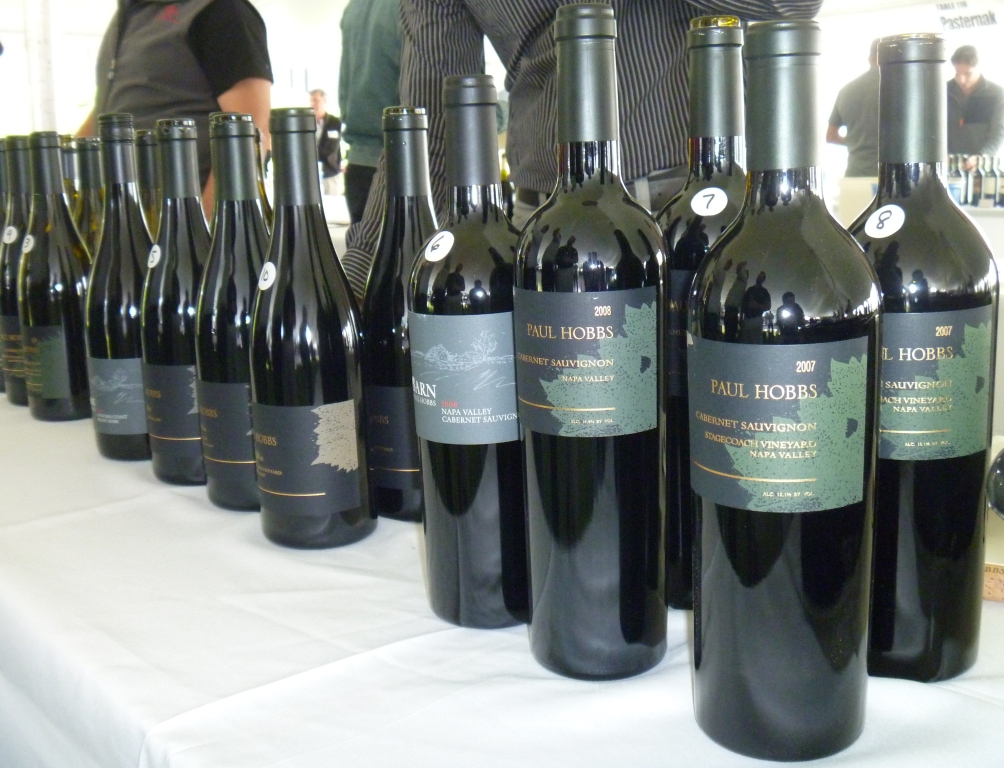
Evening Land Pinot Noirs from Oregon – amazing:

Shafer Hillside:
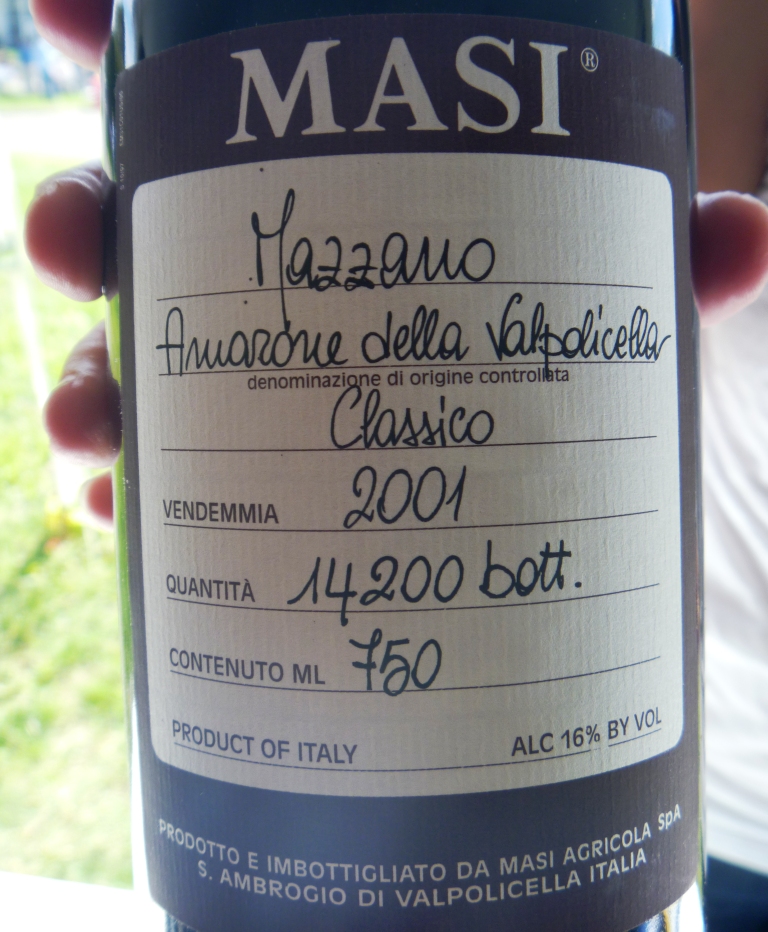
2001 Masi Mazzano Amarone – this is what Amarone should taste like – absolutely amazing, my personal favorite in tasting:
To complete the updates, I started new series of blog posts at The Art Of Life Magazine – the series dedicated to spirits, and first two posts in the series are talking about Brandy and Scotch.
That’s all for now, folks. Have to go – talk to you later. Cheers!
Experiencing Wines of Canada
 Coming back to the memories of “ahh-so-distant-by-now” our Canada vacation (it’s been almost a month!), I need to share my wine experiences with you. You might remember two earlier posts (you can find them here and here), which I prefer to refer to as “picture reports”, which gave you the visual expression of the food and some of the wines in Canada. However, we had an opportunity to spend some time in one of the Canadian wine countries, surrounding the small town of Niagara-on-the-Lake – and it was an eye-opening experience for me.
Until this trip, my idea of Canadian wines was very simple – Icewine. I knew for a while that Canada makes some really famous Icewines, which compete with German and Austrian Icewines. Outside of Icewine, my only reference were wines of the Finger Lakes region in upstate New York (general direction of Canada). While I wouldn’t claim that I visited a mass amount of wineries in Finger Lakes, in a few places we visited the only drinkable wines were Rieslings, and all the red wines were plain bad. Therefore, these were my expectations for Canadian wines.
I decided to start from the winery with the name at least I heard of – Inniskillin, and of course, the only wine I knew “of fame” there was an Icewine. As a side note, I want to mention that the winery had a playroom for kids – which is a very important factor in letting adults enjoy wine tasting, even during family vacation. The first wine we tried was 2010 Two Vineyard Riesling – very clean, good tropical fruit expression, all paired with beautiful acidity, a nice finish. This was a great start of the tasting. The next wine completely blew me away – the 2009 Legacy Series Pinot Gris. First, I didn’t expect Pinot Gris to be produced in Canada. But is not the main factor. Very complex, with explicit minerality and spicy bouquet on the palate, this wine still puts a smile on my face when I think about it.
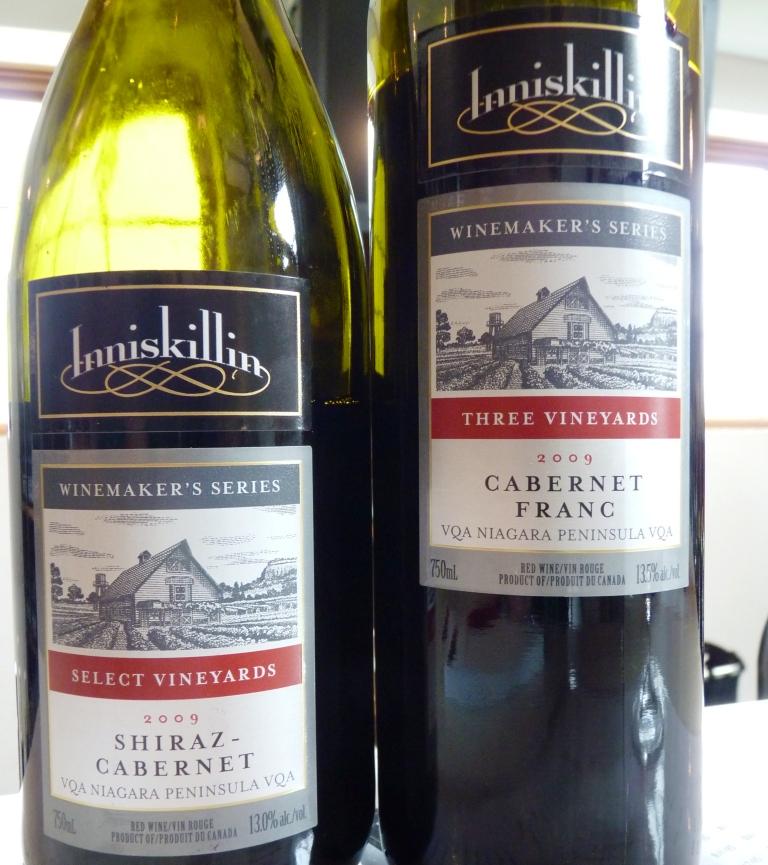
 After having a great start with the whites, my level of expectations increased for the reds – and rightfully so. 2009 Montague Estate Vineyard Pinot Noir was very nice, varietally correct with a precise expression of smokiness and red fruit. Again, I would never expect to find a Pinot Noir of such clarity at a winery located so high up North – but I did. 2009 Shiraz Cabernet had perfect acidity, good minerality, just the right balance of dark fruit. 2009 Cabernet Franc was simply my favorite red wine – perfect, very balanced, with clearly expressed green peppers and explicit minerality (you might think that I’m abusing the term – but minerality was one of the key characteristics of all the Inniskillin wines we tasted, so I can’t help myself but to call it out).

As you might expect, sweet wines were next. We are not talking about some arbitrary late harvest wines – we are talking about Icewines, which have the highest sugar concentration out of all sweet wines, as the grapes are ripening on the vines until the frost reaches –8°C (about 17F) – then the grapes are harvested while being frozen and pressed right away – which yields a tiny amount of super-concentrated grape juice – this is why the wines are called Icewine (also such a low yield explains the high price of the Icewines). First, we tried the 2010 Sparkling Vidal Icewine, which was very light and delicate. 2007 Cabernet Franc Icewine was a real star though. I have to mention that Inniskillin was the first winery to produce Icewine from the red grape. Also, Inniskillin worked together with Riedel, the leading wine glass maker in the world, to produce a specially shaped Icewine glass that enhances the aromatics of the Icewine.

Going back to Cabernet France Icewine, it was incredible, one of the best ever dessert wines I ever tried. Why am I saying that? Balance. Ultimate Balance was the first and foremost characteristic of this wine. Beautiful balance, perfect lingering acidity, and literally unnoticeable sweetness – great wine. All in all, it was an outstanding lineup of wines at Inniskillin, I can’t recommend highly enough each and every wine I tried.
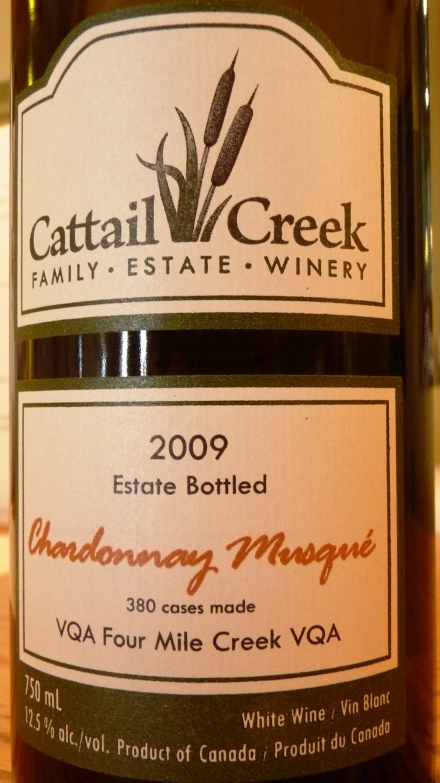 Next stop we made at the Cattail Creek Family Estate winery. One of the reasons to pick that particular winery was the fact that they have a few wines with the grapes I didn’t have before, like Chardonnay Musque, or different Riesling clones. I’m glad we stopped by, as we found more great tasting wines, plus most of the wines are made in very small quantities, so many are available only at the winery itself. First, we tried 2008 Catastrophe White, which was perfectly refreshing, with good acidity and a good amount of white fruit. Then we tried 2009 Catastrophe Red, which had very good balance, nice red and black fruit expression, soft and pleasant. It is interesting to note that Catastrophe wine series labels depict real cats who lived at the winery. Last but not least was the 2009 Chardonnay Musque – very nice, with good acidity, good reflection of what Chardonnay is, good subtle tropical fruit expression, more as a hint. This was yet another great experience.
Our last stop was Chateau des Charmes. This winery had the most impressive building of all:

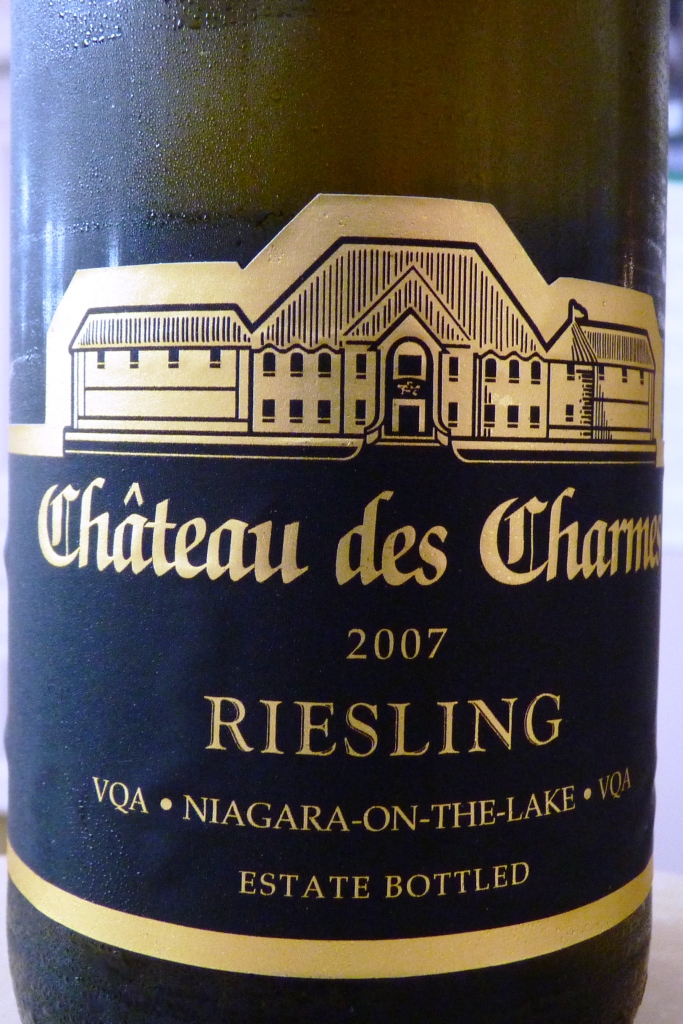 The wines here were also very impressive. We started with 2007 ‘Old Vines’ Riesling (I wanted to experience “old vines” Riesling) – and to my complete surprise, this Riesling had a Petrol nose! I was always under the impression that Petrol nose is a property of only German Rieslings – and here we go, Riesling from Canada with full classic German Riesling expression. In addition to the Petrol nose, it also had very good fruit, medium body and perfect balancing acidity. Next were more of the very impressive Pinot Noirs. 2007 Pinot Noir had a beautiful nose, and lots of tannins on the palate – it was unusually muscular for the Pinot Noir, probably in need of a few years to open up, but still, it was very good. 2007 ‘Old Vines’ Pinot Noir was also very big and powerful, with a clean smoky nose, but also needing time as the previous wine.
 Last but not least was 2008 Gamay Noir ‘Droit’, which happened to be a clone of Gamay and therefore it accounted for an additional grape for my “counting grapes” project. This wine had a very unusual herbaceous nose, and was nice and light on the palate – definitely a food-friendly wine.
That concludes the Canadian wine story, as we didn’t have time to visit more places. But even based on this experience, if before I knew of only Icewines from Canada, now all the Canadian wines are squarely on the “to find and drink” list for me – and I highly recommend that you will make an effort to find them and try them as well. The challenge is – I didn’t see that many Canadian wines on the shelves of the wine stores here in Connecticut. Oh well, hopefully, we can change that. Cheers!
Canada Food and Wine Experiences, In Pictures
It appears to be very difficult to write blog posts while on the family vacation, despite all the desire to do so. Therefore, here is a quick report from Canada – all in pictures. I can tell you that so far I had being very happy with food, including restaurants in Niagara Falls (which was not expected considering that this is very popular tourist destination). I was also blown away by the quality of Canadian wine. Before the trip, I honestly thought that outside of the Icewine, Canadian wine would be on the level of Finger Lakes wines in NY, where whites can be drinkable, but reds are simply mediocre. Boy, was I wrong! We visited three wineries, and didn’t have a single bad wine! Well, this will be a subject of a separate blog post, so for now, here is quick report in pictures (warning – don’t look while hungry).
Nachos at Spicy Olive restaurant, Niagara Falls:

Beef Baron restaurant, Niagara Falls:
French Onion Soup:

Escargot:

Spare Ribs:

Wineries experience:
Inniskillin (from whites to reds to Icewines – outstanding, will discuss later):

Inniskillin Cabernet Sauvignon/Syrah and Cabernet Franc – WOW:
Inniskillin for those who can’t even drink wine:

Cattail Creek Winery, very interesting whites and reds:
Catastrophe series (note that labels depict real cats):

Chateau des Charmes – you should see that building:

Back to the restaurants:
Cora’s (Niagara Falls) – Breakfast done right!
Breakfast cocktail:

Crepes Egg and Cheese Panini:
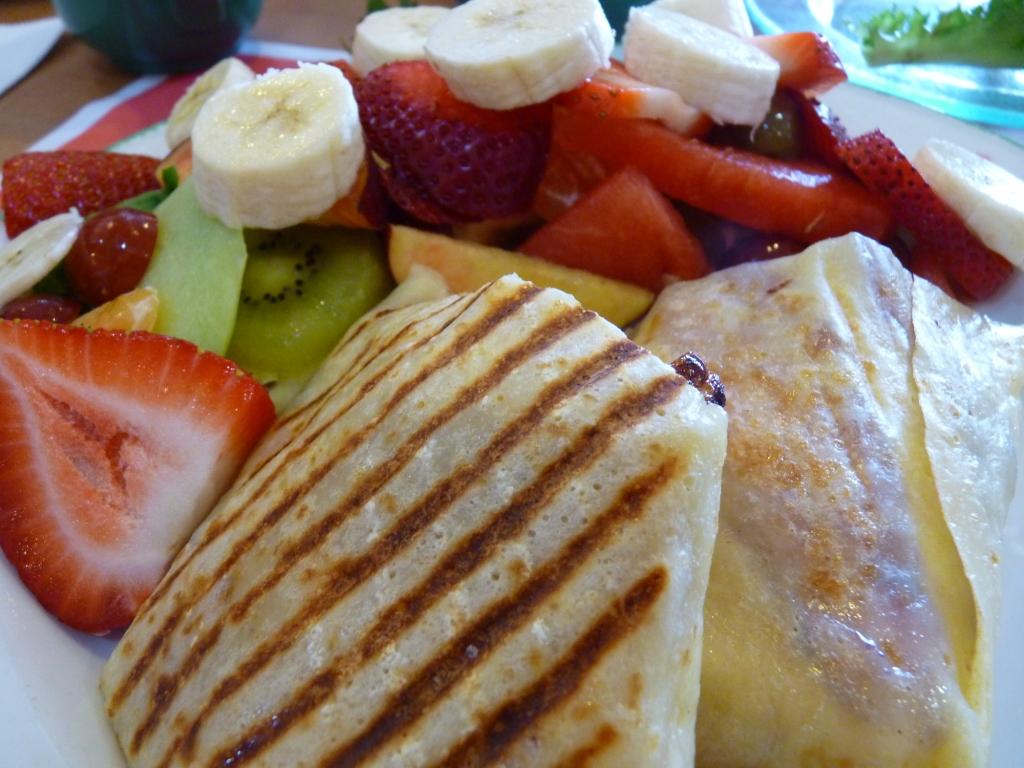
Crepe with Raspberries and cream cheese:
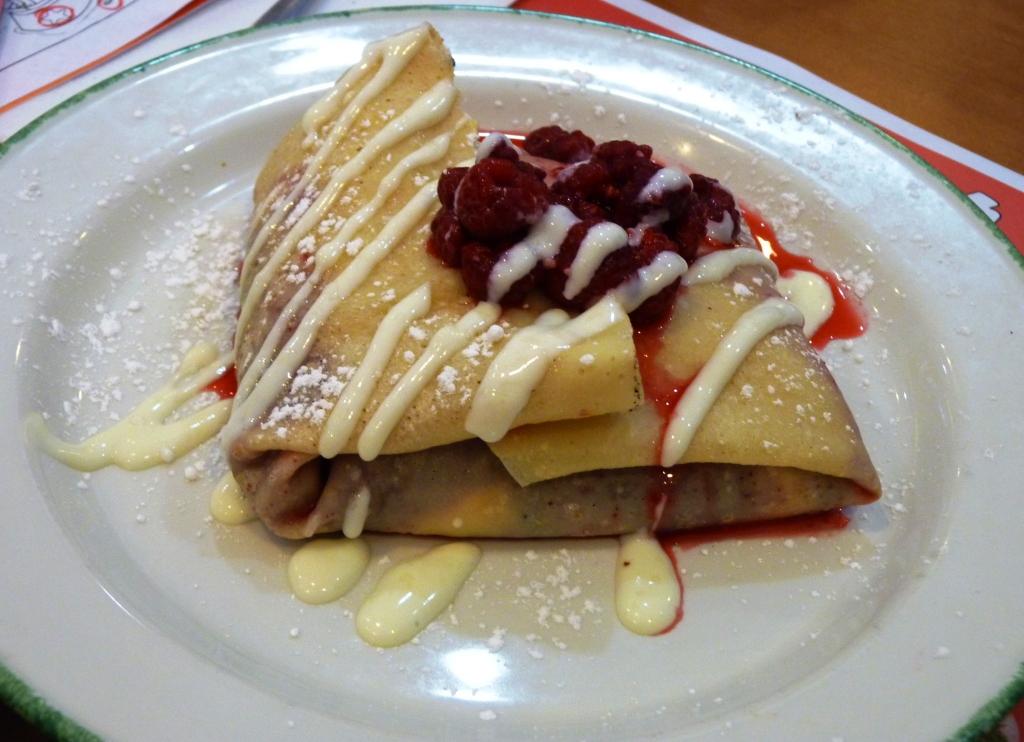
Blueberry Pancakes:

Will definitely talk more about wines in the future posts. If you are interested in reading more about restaurants, you can take a look at my page on Yelp (click here). Until the next time – cheers!
Cora
7555 Montrose Road
Niagara Falls, ON L2H3A4
(905) 358-1555
http://www.chezcora.com/home

Last Bottle Sign Up ($10 credit)




 Talk-A-Vino