Archive
Wine Bloggers Conference 2014 (#WBC14), Day 1
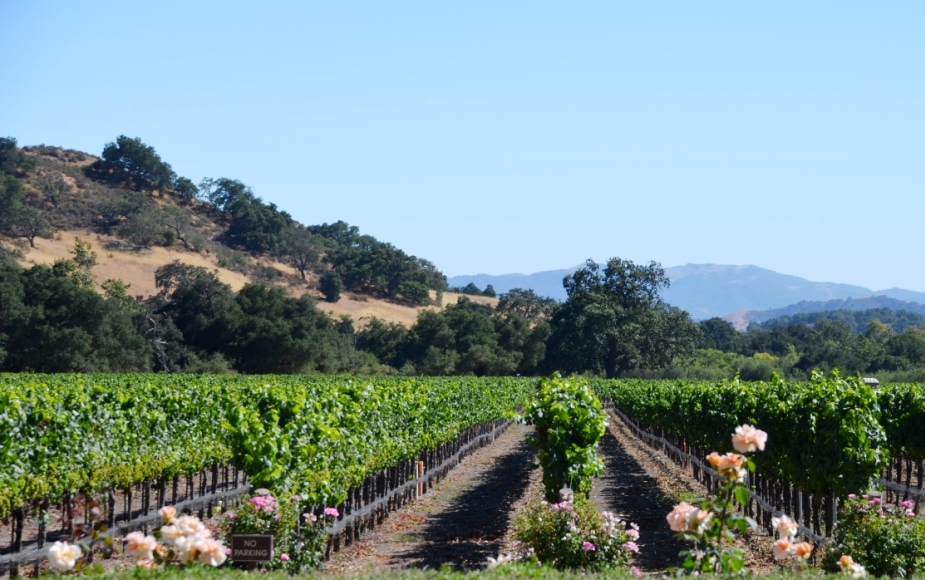 I’m attending the Wine Bloggers Conference 2014 in Santa Barbara, California, and what I will try to do is to give you a brief round up of my daily experiences. This is my only hope to have some level of concise picture of what was happening at the conference – there are way too many wines to taste and way too many experiences to have – unless I do this daily, it will all blur together next week.
In case you are not familiar with the event, Wine Bloggers Conference is exactly what the name says – an event where wine bloggers, wine writers and wine producers get together and discuss all the aspects of the “wine media”. Now in its 7th year, the Wine Bloggers Conference (WBC for short) is taking place in different locations, generally related to the wine production, and this year the location is Santa Barbara county. This is my first WBC event (had been contemplating for a while), so many things are new to me. That’s all I have for the intro, if you are interested in more details, please take a look at the WBC web site.
Here is what I managed to do on my first day. I started the trip early in the morning (at about 3:30 AM) to get from New York to Santa Barbara. The two hours delay, thanks to United (my beloved airline with love/hate relationship), didn’t help, but still didn’t derail may plans, only made me to move a bit faster. Arrived, got a car (with additional unexpected delay now courtesy of Hertz) and then started driving to the Zaca Mesa winery, my first destination. Took the wrong turn, ended up on the beautiful mountain-side drive, so things started to turn to the better.
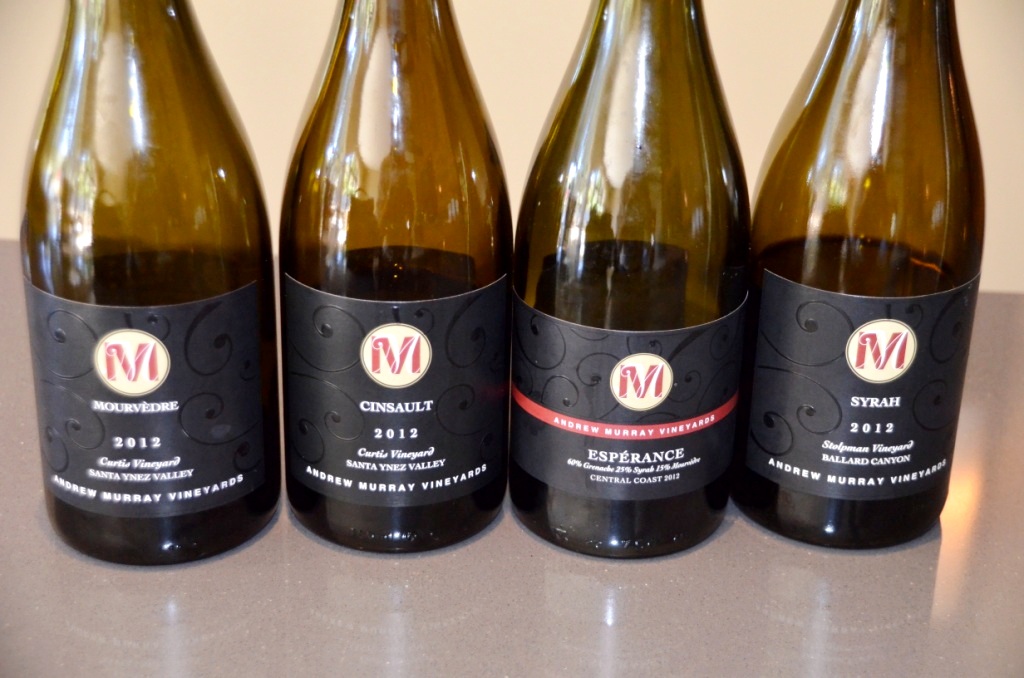
I managed to visit three wineries which we were on my list for Santa Ynez Valley – Zaca Mesa, Fess Parker and Andrew Murray. I will not give you full details of the tastings now (will reserve for the separate post), but I can tell you that all three wineries had some absolutely outstanding wines (outstanding enough to force me to break my resolve not to buy any wines during this trip). Syrah was a star at Zaca Mesa, Pinot Noir was outstanding at Fess Parker, and I was blown away by the rendition of all the Rhone varietals (Cinsault, Mourvedre, Syrah and Viognier) at Andrew Murray Vineyards – here is one picture for you:
After the tour of the wineries, I arrived to the hotel, and later on went for the expo and reception, where we had an opportunity to taste wines (surprise) and look at some innovative products.
As with any conferences and expos, we were offered a number of giveaways. Here is the most thoughtful one – bottle of water with attached travel pack of advil, for the “morning after”:

Water and Advil, how thoughtful!
Before I wil present the highlights of the tasting, let me tell you about couple of interesting product presentations. First, there was a Sonic Decanter – the device which subjects the bottle of wine to the sound energy for about 35 minutes, which completely changes the taste profile of wine. First I wanted to dismiss it as a simple gimmick, but after tasting the wine before and after, I found out that it actually works and changes the taste. If this is a good thing or a bad thing, I will let you decide after the separate post.

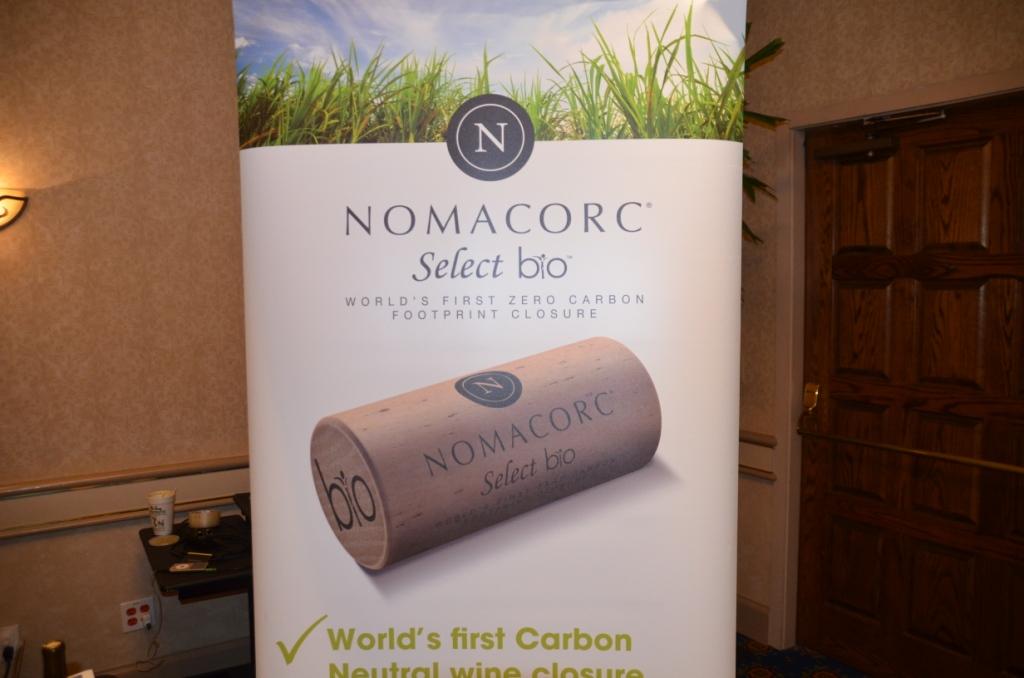 Another interesting presentation was given by Nomacork, a producer of the engineered cork. This cork is made out of the real cork tree, but it is not just a piece of the bark, it is made out of the actual cork tree material, and it can be engineered to allow different levels of oxygen exposure to the wine. To show how it works, the folks at Nomacork had a tasting of the same wine, 2012 Viognier, bottled at the same exact time with two different corks, allowing different levels of the oxygen penetration. The wine which was allowed more oxygen was showing considerably better, so this definitely works. The advantage of Nomacork is consistency, as it eliminates bottle variation, ability to control oxygen intake and the fact that it is still made from the natural material (versus Stelvin screw top, for instance) – and it is the cork which you will have to pull out and not just screw off. The disadvantage to me – I like the natural cork, and I like bottle variation, that mystical element in wine. But – as anyone else, I don’t like tainted wine… So I really can’t make up my mind on this.
And now, few of the wine highlights. Here is what I liked during the tasting – I can only give you “best memory effort” notes, as there were no paper handouts of any sort, so I had to rely only on my camera and the memory. Still, these are the wines which stood out.
2012 Ken Brown Chardonnay Nielson Vineyard Santa Maria Valley – beautiful, classic Chardonnay, with all the flavors being present and in balance – vanilla, butter, toasted bread, perfect acidity.
2013 Tercero The Outlier Gewurztraminer Santa Barbara County – I was very impressed – Gewurztraminer is one of the most difficult grapes to achieve balance, and this wine had it – touch of spice, touch of floral notes, creamy and round – an excellent wine.
2011 Alta Maria Vineyards Pinot Noir Santa Maria Valley – classic California Pinot Noir, good concentration, very well balanced.
2010 Baehner Fournier Vineyards Solus Cabernet Sauvignon, Santa Ynez Valley – classic, concentrated, hint of green bell peppers, delicious overall.
2011 Santa Barbara Winery Primitivo Joughin Vineyard, Santa Ynez Valley – another surprise – excellent, balanced wine, muted raspberries and good concentration, good acidity. Very solid effort.
2010 Ken Brown Pinot Noir Rancho La Vina Vineyard, Sta. Rita Hills – excellent California Pinot Noir – dark power and finesse.
2012 Alma Rosa Pinot Noir La Encantada Vineyard, Sta. Rita Hills – another excellent California Pinot Noir – perfect fruit and perfect balance.
2011 Longoria Tempranillo Santa Ynez Valley – and yet another surprise. Excellent Tempranillo, more on the level of Toro than Rioja or Ribera del Duero – powerful, dense, but well balanced and not over the top. I’m happy do discover more of the old world grapes perfectly executed on the US soil.
That concludes my report about the first day of the conference. Stay tuned, as we are only getting started : ). Cheers!
Dreaming of Tuscan Wines
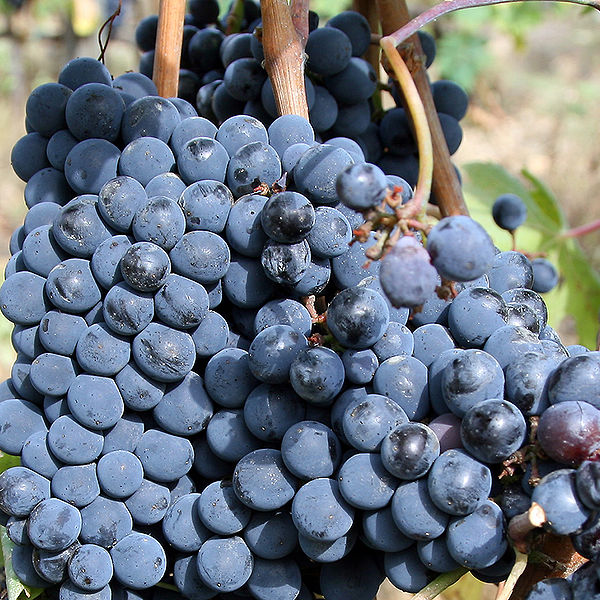
Source: Wkipedia.com
“Tuscany”. Try to say the word out loud. It rolls of your tongue, smooth, round and effortless. It is so easy to picture endless green hills, beautiful little houses spread across the endless green, and of course, sun-soaked grapes.
I visited Italy many times, but not the Tuscany, which still stays on the “dream destinations” list. I can easily picture bringing my family there, renting a little villa (there are many villas in Tuscany), and spending time doing… nothing, just enjoying that beautiful scenery, true, simple and honest food and of course, the wines.
The wines of Tuscany hold its own special and unique place in the wine world. True, the wine making was born outside of Italy ( Georgia and Greece are the top contenders for the title of “cradle of the winemaking”). But where else you can find wineries and winemaking families which are almost a thousand years old (look at Barone Ricasoli, which is tracing its wine history to 1141, or Castello di Ama, which goes all the way back to 1210), next to the wineries which propelled from non-existent to the world’s best in mere 30-40 years, as many of so called Super-Tuscan wines did? Tuscany offers tremendous diversity when it comes to wines, and I want to take you on a little tour of Tuscan wines.
We are going to start with Chianti, one of the oldest wine-making areas in Tuscany, located in the center of region. Sangiovese is the main grape which is used to produce Chianti wines, but other grapes can be also blended in, including both red and white grapes.

Then there are all sorts of classifications for the Italian wines – but I really don’t want to bore you with the details of it. While classification information is very important, there are so many available resources covering subject in depth, like this Wikipedia article, for instance, you can definitely learn about it without my help. As a side note, I want to mention that in the end of the day, DOC, DOCG, IGT , the producers and the wine ratings are all important, but you really have to let your taste buds be a judge when it comes to finding the wine you like.
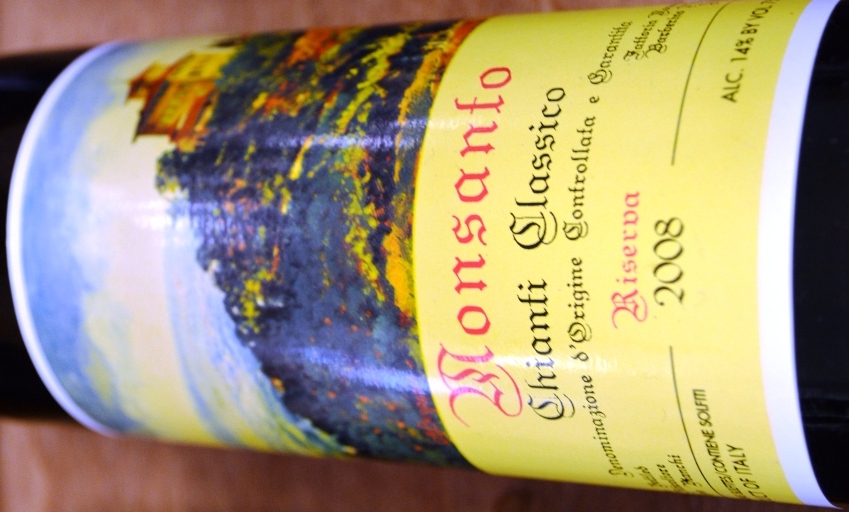 Chianti are some of the oldest wines with the world, with the very rich history having its up and down times – it is impossible to cover Chianti’s history at any good depth in the blog post, so again I have to refer you to the great source – the Wikipedia article. Chianti wines are usually split into two main groups – Chianti and Chianti Classico. Chianti Classico, which comes from its own part of the Chianti region, is available as Chianti Classico and Chianti Classico Riserva, which is usually aged for more than two years before it is released. If you are looking for a good bottle of the Chianti, you can always play it safe and go by a good producer – Antinori, Castello Banfi, Castello di Ama, Fontodi, Frescobaldi, Monsanto, Ricasoli, Ruffino are all well known producers and represent a good bet as you are looking for your next bottle of Chianti.
Let’s move down south from Chianti to the town of Montalcino. A bit younger than the Chianti, only going back to the 14th century : ), there was a local wine produced there, which was called Brunello, referring to the name of the local grape. Eventually it was established that the actual grape was a clone of Sangiovese, called Sangiovese Grosso, but the name of Brunello always stayed with the wines called Brunello di Montalcino (often referred to simply as Brunello).
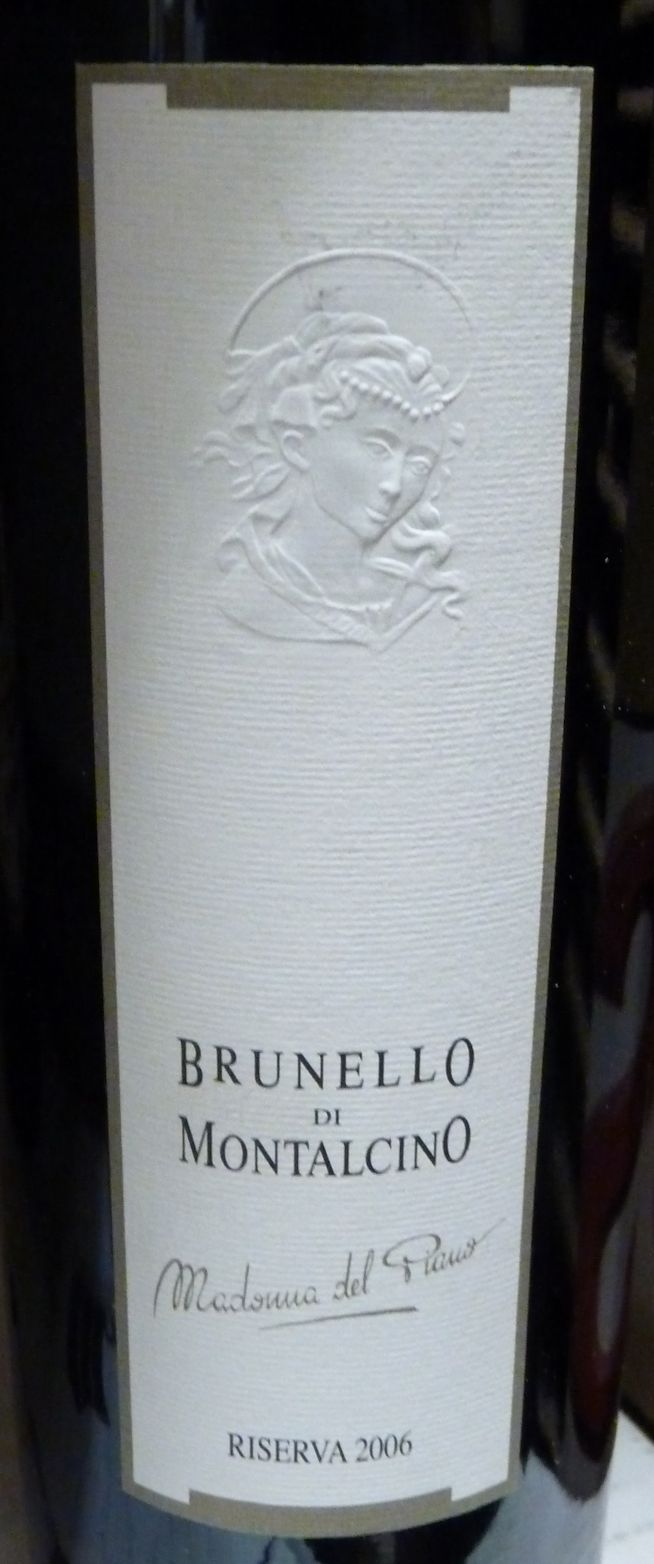 In order to be classified as Brunello, the wines have to be made from 100% of Sangiovese Grosso (no other grapes allowed). Over the many years, Brunello built a reputation as some of the best wines in the world – power, finesse and ultimate ageability make them very desired wines among wine consumers and collectors. Biondi Santi is probably the most legendary producer of Brunello wines, but Altesino, Casanova di Neri, Castello Banfi, Poggio Antico, Valdicava are all well worthy of your attention.
Continuing our tour from the town of Montalcino, we got two options – we can move east, to the town of Monepulciano, or west to the region called Bolgheri. Let’s talk about Montepulciano first, as Vino Nobile di Montepulciano wines are rivaling Chianti in its history. The first references to the vineyards around Montepulciano go all the way back to the 8th (!) century, but it was not until 1925 that the wines from the region are actually assumed the Vino Nobile name. Vino Nobile di Montepulciano wines are again produced from Sangiovese clone, known as Prugnolo Gentile, and often blended with other local grape varieties. Vino Nobile di Montepulciano are lesser known then Chianti wines, but they are worth looking for as they still provide a good value.
 And now, let’s go all the way west, to the coastal area of Tyrrhenian Sea, to the town of Bolgheri, where some of the best wines in Italy are made. I’m sure you heard the term Super-Tuscan – these are the wines made in Tuscany, but in completely non-traditional way. Starting from 1960s, Bolgheri was a center of Super-Tuscan wine revolution – instead of making the wines by the strict Chianti rules, many vintners started producing wines based on terroir, always looking for the best grapes from particular vineyards. In 1978, Antinori started producing the Sangiovese-Cabernet Sauvignon blend wine called Tignanello, which became a great success. Many winemakers turned their attention to traditional Bordeaux varieties, such as Cabernet Franc, Cabernet Sauvignon and Merlot, eventually producing the wines rightfully called some of the best wines in the world. Today Super-Tuscan wines need no introduction, and absolute majority of wine lovers can’t pronounce the names such as Ornellaia, Solaia, Masseto, Sassicaia, Redigaffi without their breathing stopping for a second and eyes rolling up to show utmost respect. You don’t need to take my word for it – get a bottle and taste it for yourself, and you can thank me later.

Before we are done here, I want to share some interesting numbers with you. You probably heard of Wine Spectator, a very famous wine magazine. Wine Spectator has their 100 points rating system and obviously, it is not simple to get a 100 points, as the wine should be truly ultimate to get such a high rating – only 74 wines out of more than 250,000 rated wines received 100 points. Out of those 74, 13 are Italian wines. Out of those 13, 6 are the Tuscan wines. And out of those 6, 2 are Brunello di Montalcino wines, 3 are Super Tuscan, and one wine is a Vin Santo – another famous Tuscan wine, this time it is a dessert wine, made out of Trebbiano and Malvasia white grapes. And to complete the picture, do you want to guess what grape those 100-point Super Tuscans are made from? Sorry Miles ( remember movie Sideways?), but all three 100-point Super Tuscans (Tenuta dell’Ornellaia Masetto, Tua Rite Redigaffi and Le Macchiole Messorio) are made out of 100% Merlot!
I think it is time to finish our tour. Tuscany makes a lot of great wines, and there are many books, articles and blog posts covering those wines from all possible angles. I think my top tip for choosing the Tuscan wines will be very simple – go out and play! Open a bottle of Tuscan wine, and be transported in the instance to the warm and inviting land of great food, wines and people. Salute!
Weekly Wine Quiz #10 – Where [In California] Am I?
It looks like you had no problems with Wine Quiz #9, Which grape is not synonym to Tempranillo , correctly identifying Tinto Cao as the grape on its own. Also judging from the small number of responses, I have to assume that this was not a very exciting question.
For today’s quiz, I decided to ask for your help (again) to identify where in the world am I. I’m actually in California, but where exactly in California (which AVA) is a question. Just in case it can help you, here is the link to list of all California AVAs.
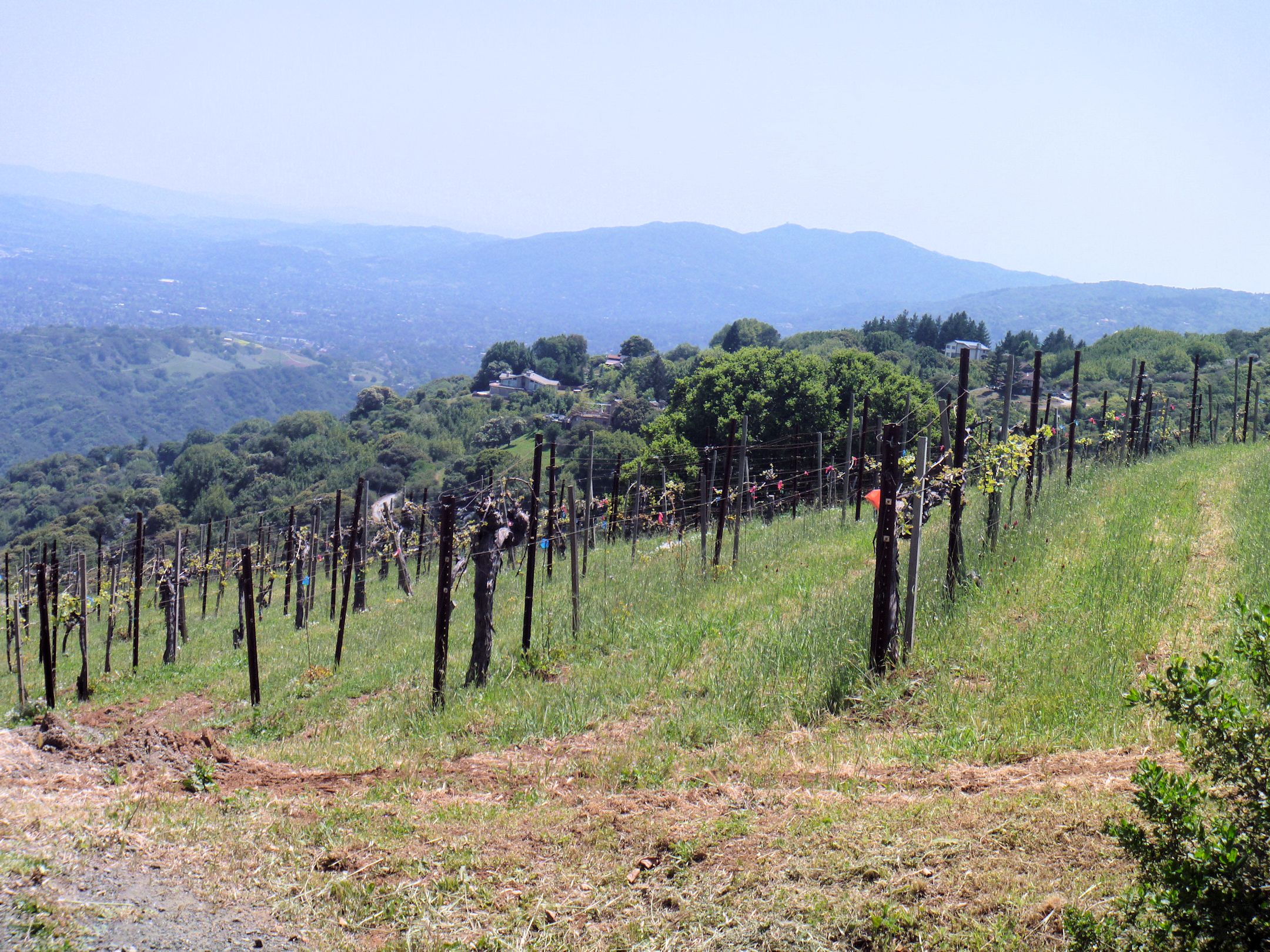
So, what do you think – please also share your thoughts in the comments:
Good luck and cheers!
Last Bottle Sign Up ($10 credit)




 Talk-A-Vino