Archive
Weekly Wine Quiz #18: Wine and Independence Day
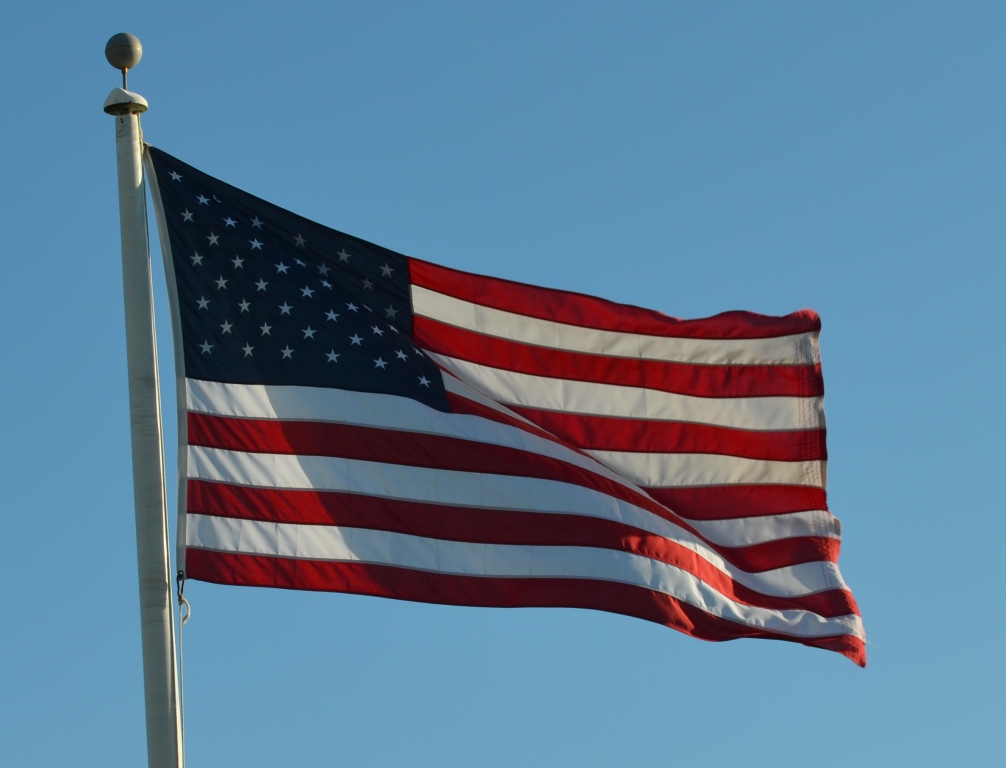 While last week’s quiz was definitely influenced by the hot weather, I want to still have one more quiz related to the history of wines, just to finish my imagined series. It also will be very appropriate, as in a few days we will be celebrating Independence Day here in US.
Imagine it is July 4th, 1776. Declaration of Independence is presented and voted for at the meeting of Continental Congress representing 13 colonies, signifying independence from the Great Britain. The room is cheering, and the glasses are poured for celebratory drink. Do you know what exactly was poured in those glasses?
Have fun! Cheers!
Wednesday’s Meritage
I can’t believe how fast these Wednesdays are coming – it was only one Wednesday, and now next one is already here…
Anyway, let’s start with the answer for the Wine Quiz #17, which was all about Penguins. I’m glad to see the diversity of opinions regarding that strange critter, known as Tactical Nuclear Penguin. Well, those of you who thought that this name implies a lot of strength were correct! And while the correct answer is … Beer (!), this beer packs a lot of punch, clocking in at 32% ABV. This beer is made by the company called BrewDog, and here is the description directly from the web site:
“This is the worlds strongest ever beer, ever (yes ever).
No Penguins were harmed in the making of this beer; some humans did get very, very cold though. It was worth it.
The Antarctic name, inducing schizophrenia, of this Ÿber-imperial stout originates from the amount of time it spent exposed to extreme cold. This beer was initially double barrel aged for 14 months; maturing in the deep, rich oak of Scottish whisky casks. After this epic maturation the beer was then frozen, then frozen again, then frozen again.”
Now, for the cool news portion: The Capital Grille once again announced The Generous Pour summer wine event. From June 9th until September 2nd, you can try a specially selected group of wines (9 wines total) for $25. The wines are specially selected by Master Sommelier George Miliotes and include Rose, White, Red and Dessert. The Capital Grille is my favorite steakhouse overall, and we had being enjoying this Generous Pour program for two years in a row (here is the link to the post from 2010). Whether you like steak or not, The Generous Pour program is a great value – take a look at the list of wines and judge for yourself. Don’t know about you, but I’m definitely going.
 And for the
 interesting crazy news, I recently came across of a new product, underwear for wine bottles (I’m not kidding, and today is not April 1st) – this product is called Vinderpants – you can read more at this web site, where it is also sold for $9 a piece! That site also contains a video advertizement for Vinderpants (warning: watching that video might be hazardous to your mental health and it might convert you from the wine lover to the wine hater – there, consider yourself warned). I’m really wondering if any of my readers would be willing to spend $9 on this wonder of wine marketing (this is equal to three or four bottles of two buck chuck, depending on which coast you are going to buy it, people), so I’m looking forward to your comments.
That’s all I have for you for today, folks. Cheers!
Weekly Wine Quiz #17: Let’s Talk About Penguins (And Some Weapons)
I was definitely planning to have two more wine quizzes dedicated to the history of wines, but – considering scorching heat wave visiting East Coast, I gave up on that thought and this wine quiz will be about something cold… As cold as Penguin, may be? No, I didn’t watch Madagascar 3 ten times in the row (even though I loved the movie) – but combination of heat and something I recently learned prompted this quiz.
Ahh, yes – and you are asking what penguins have to do with wine? Well, you figure it out – but just for the fun of it, please try answering this quiz without using Google – you will be amused once you will learn the answer, I guarantee it.
I recently learned about pretty strong beverage, called Tactical Nuclear Penguin. Do you care to guess what kind of drink is it? The answer is forthcoming in next Wednesday’s Meritage.
Stay cool and have fun! Cheers!
Wednesday’s Meritage (and the Answer for the Wine Quiz #16)
 Not sure if it will become a permanent feature on this blog, but I want to continue my short “wine news flash” posts on Wednesdays, and even came up with a fancy name for these posts, as you can judge from the title.
First, an answer for the Wine Quiz #16, Father of California Wine: those of you who chose Junípero Serra were … absolutely correct! Under direction of Father Junipero Serra, Franciscan missionaries planted first sustained vineyard at Mission San Juan Capistrano in 1779, and subsequently, vineyards had been planted at another 8 missions. Those plantings had being known as Mission grapes, which dominated California wine industry for about 100 years.
Today is a special Wednesday, which happens once a month in wine bloggosphere – it is so called Wine Blogging Wednesday. To be more precise, today is Wine Blogging Wednesday 78, or as it is abbreviated on Twitter, #WBW78. For 78 month in a row (if I’m not mistaken), special wine theme is selected for a third Wednesday of the month, and everybody are invited to participate and share the experiences. The theme for #WBW78 is called “Get yo Viggy On” (not that I personally like the way it is phrased), and it is dedicated to Viognier, a very interesting white grape originated in Northern Rhone in France. Viognier wines should be widely available – hope it is not too late for you to get a bottle and join the festivities. I plan to report on my experience later on tonight or tomorrow.
For the rest of the interesting wine news, I decided to share only one note, which I came across yesterday, reading Tom Wark’s Fermentation wine blog (if you are not reading his blog – you are missing a lot). I know that some of my readers come from Canada, and I learned from this post that Canada is about to allow direct shipments of wine across provinces. As I believe US wine laws are arcane, I had no idea that Canada wine laws were even worse! I’m glad that this problem is about to be solved for Canadian wine lovers.
That’s all I have for you for now, folks. Cheers!
Weekly Wine Quiz #16: Father of California Wine
Arguably or not, but today California is the most important and best known wine making region in the United States. Starting from the 17th century, many people were obsessed with making wines in California and greatly helped to make it what it is today.
From those many people, however, there was one who is considered to be the Father of California wine industry. As we will celebrate Father’s Day tomorrow, I think it will be very appropriate to acknowledge that person who we have to thank for starting something which became a source of some of the best wines in the world. I would even say that we all have to raise a glass in his honor – but do you know who you have to honor as The Father of California Wine Industry?
As a bonus question, try to name the grape which he was planting. Enjoy your weekend! Cheers!
A Little Bit Of Everything (And Answer For The Wine Quiz #15)
 Somehow I felt like writing a post similar to Dr. Vino’s “sipped and spit” series – but I think his style is inimitable, so I will not even try. However, I will do my best to present random pieces of “wine information” within one short post.
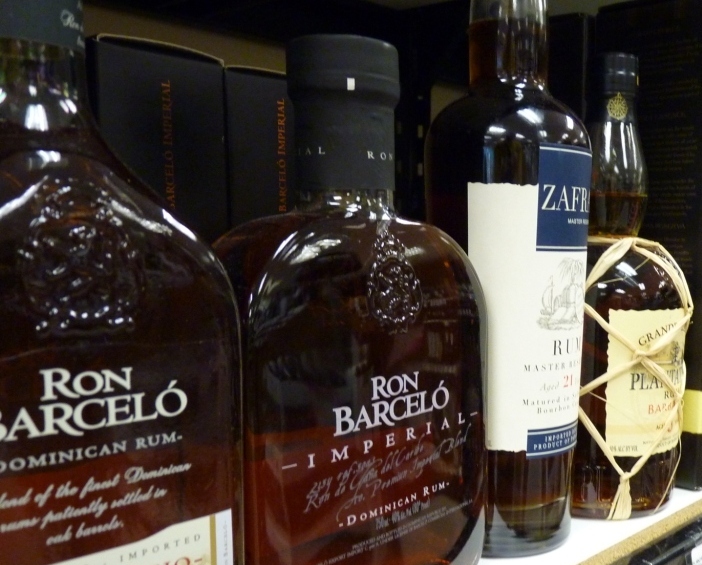
First, an answer for the Weekly Wine Quiz #15: Those of you who chose Rum as their answer are… correct! Rum has a very special place in history, being pirates’ drink of choice, and until recently, a part of Royal Navy’s daily ration. And yes, it was one of the key elements in “slavery triangle”. For more information, you can take a look at the post I wrote for The Art of Life Magazine.
Have you heard of Rudy Kurniawan? In the wine world, and I’m talking about world of serious multimillion dollar auctions and bottles sold for tens of thousands of dollars, he stands akin Bernie Madoff, making and selling counterfeit wines to friends and strangers for at least 5 years or may be even longer. One of the most fascinating stories of the wine crimes was recently covered in great detail in this Vanity Fair article. It is quite long, but if you are into wines, you should read it – definitely until the end, as you don’t want to miss a punchline. I also want to thank Dr. Vino for great coverage of this story in his own blog post.
Looking for some answers for Champagne-related wine quiz at The Drunken Cyclist blog, I came across very interesting Sparkling wine trivia on Gloria Ferrer website. Before you read it in its entirety, try to answer a simple question – how many bottles a day does a riddler turn? You will find the answer at that Trivia link.
Cheers!
Weekly Wine Quiz #15 – Most Historically Significant Spirit?
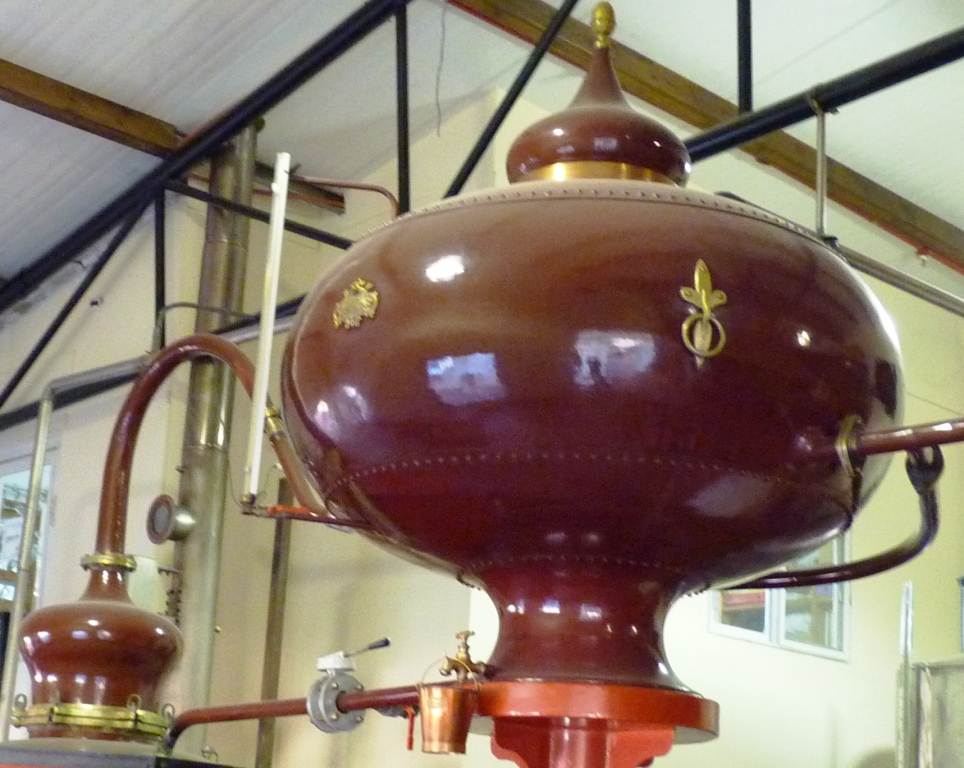 We are continuing the historical angle here, but stepping aside from the softer world of wine into the brave and powerful world of strong spirit (yeah, I know you can read it in different ways) – I’m talking about so called hard liquors.
Hard liquors came about some time in 14th – 15th centuries, when the alchemists of all walks were perfecting distillation process in their search for the ways to turn everything into a gold (or maybe they were searching for eternal life elixir?). It was quickly discovered that the hard liquors have a great range of effects on humans, from giving them pleasure to making them completely crazy and even killing them. During the course of history, hard liquors played wide variety of roles, from being an object of trade, a currency, to the object of desire and status symbol (Louis XIII, anyone?).
Each spirit has it’s own rich and unique history, full of all the human drama, discovery, excitement, love, hate and everything else which constitutes life (it is not for nothing French call some of their liquors Eau de Vie, a Water of Life). And of course each spirit affected hundreds of millions of lives throughout its course of history. However, there is one hard liquor which can be singled out for its role in the history of western civilization, where it was even an essential part of the slavery trade (the whole process was called “slavery triangle”), and its status was dramatically affected by the American Revolution. Do you know what spirit it is?
Have a fun filled weekend! Cheers!
And The Answer For The Wine Quiz #14 Is…
 When I create a wine quiz, my goal is to strike a balance (hmmm, how strange, isn’t “balance” my favorite characteristic of a good wine?). If 10 people answered the quiz, and they all answered correctly, it probably was too easy. If out of the same 10 people nobody got it right, or even worth, there are 0 answers instead of 10, it was either too difficult or too boring. Considering this criteria, this wine quiz #14 was one of the most successful ones – on the date of this writing, 3 answers out of 7 were correct, and even incorrect answers seems not to be randomly chosen.
Anyway, the correct answer for the wine quiz #14, True American Grape, is Norton. Norton’s history goes all the way back to beginning of 19th century, when it was created as a result of hard work of Dr. Daniel Norton in Virginia (you can read the book by Todd Kliman, The Wild Wine if you want to get a full story). The grape was a staple of the winemaking in Virginia and Missouri until the Prohibition hit, and now it is slowly trying to restore to its old glory. I had an encounter with Norton wines at Chrysalis Vineyards in Virginia about two years ago (you can read my blog post here), and the wines were very good.
That’s all I have for now, folks. Until the next wine quiz coming out on Saturday – cheers!
Weekly Wine Quiz #14: True American Grape
 Cabernet Sauvignon. Pinot Noir. Syrah. Chardonnay. If you would be asked to name a region which makes world class wines out of those grapes, I’m sure many of you would think of California or may be Washington or Oregon first. Yes, we are fully considering all of these grapes to be “local” here in the United States. At the same time, none f those grapes were born here, they were all brought in from Europe (after all, Europe has about 7,500 years of winemaking advantage over the Americas).
Ever since the first colonists arrived to America, making wines was a fascination for many of them, including our forefathers such as Thomas Jefferson. Of course there were actual local grapes growing here, and needless to say that every possible effort was made to produce wines out of those grapes. The wines didn’t come out very drinkable, as the grapes were lacking one “minor” component – time in training to become the true wine grapes.
Determination, dedication and countless years of hard work produced its results. If you travel today through many wine trails throughout this country, you will find many wines produced from variety of actual American grapes. Yes, I agree, lots of those wines will not make you say “wow” as their big European brothers do – however, there is one grape which truly stands out on its own, making wonderfully rich and concentrated wines. The story of this grape is closely intertwined with the history of this country, following its ups and downs, so this grape is often deservedly referred to as the “true American grape”. Do you know the name of that grape?
Have a fun filled weekend. Cheers!
And The Answer For Wine Quiz #13 Is…
 Wine quiz #13 was about wine and history, “When wine is a matter of life and death“. I would say that this quiz worked better, as different answers were chosen by about the same number of people (in most of the previous quizzes there was a clear majority preferred answer). I might have to learn about history of Haro in Spain, which was one of the historical centers of Rioja, but correct answer is Jamestown.
In 1619, at the first representative assembly of the New World, held at Jamestown church, Acte 12 was passed: “…every householder doe yearly plante and maintaine ten vines, untill they have attained to the arte and experience of dressing a Vineyard, either by their owne industry, or by Instruction of some Vigneron. And that upon what penalty soever the Governour and Counsell of Estate shall thinke fitt to impose upone the neglecters of this acte”. And the penalty was eventually decided to be the “pain of death”. I will tell you in one of the follow up posts about the source of this information, but for now you have your answer.
Whomever answered “Jamestown” can pat themselves on the back and have an extra glass of wine (or two). Until the next quiz – cheers!
Last Bottle Sign Up ($10 credit)




 Talk-A-Vino